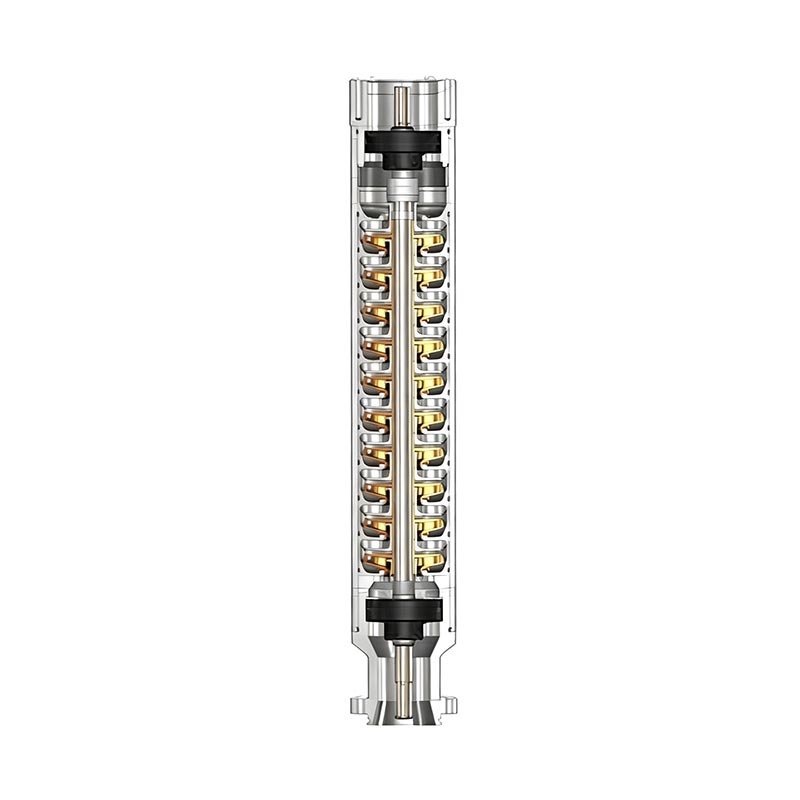
Article Summary: An Electrical Submersible Pump (ESP) is a downhole artificial lift system designed to move large volumes of fluid from deep wells to the surface. By combining a submersible motor, multistage centrifugal pump, intake system, protector, cable, and supporting components, an ESP can provide continuous lifting performance in demanding oilfield environments. This article explains how an Electrical Submersible Pump works, which operating conditions it suits, how to select the right system, and how proper operation and maintenance can reduce production interruptions and long-term operating costs. It also examines common ESP challenges such as gas interference, sand, high water cut, temperature, corrosion, and electrical reliability.
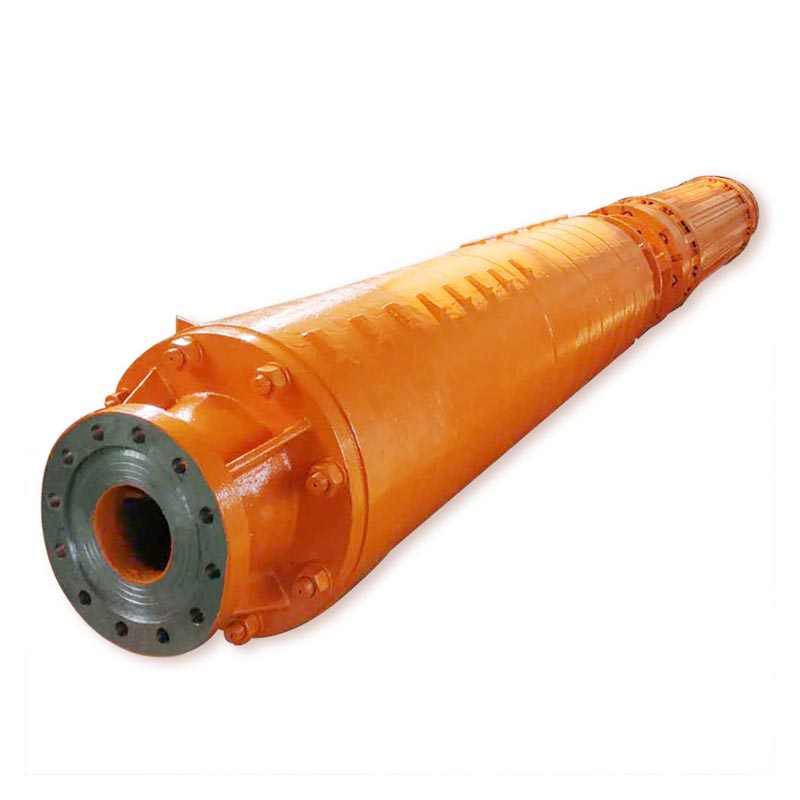
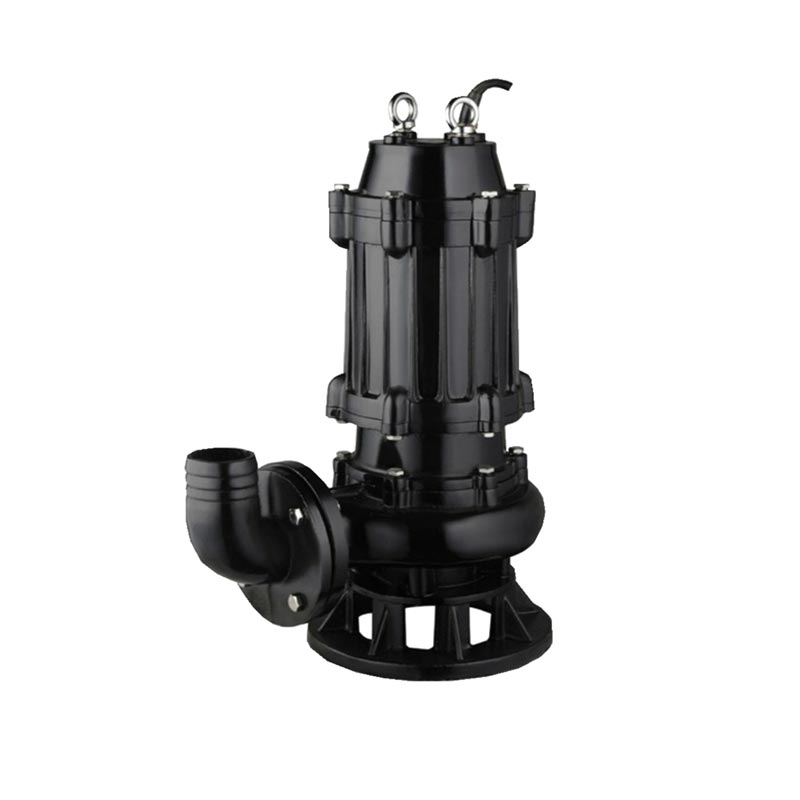
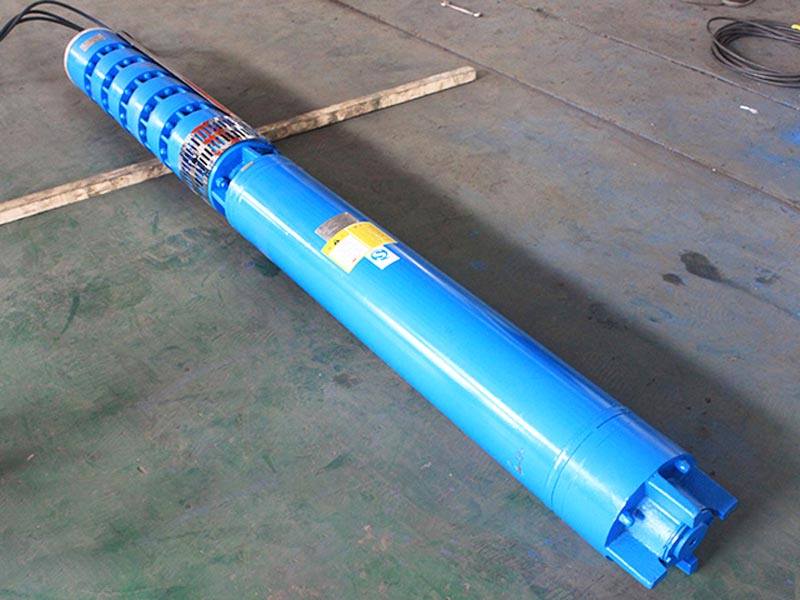
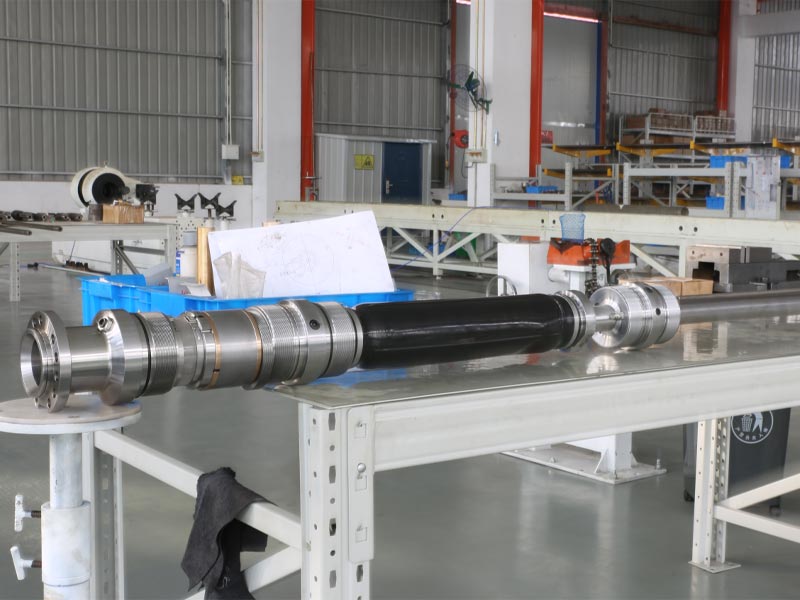
An Electrical Submersible Pump is a type of artificial lift equipment installed inside a well to help bring reservoir fluids to the surface when natural formation pressure is no longer sufficient to maintain the required production rate. Unlike surface pumping systems, the primary lifting equipment is positioned downhole, allowing the pump to work close to the fluid source.
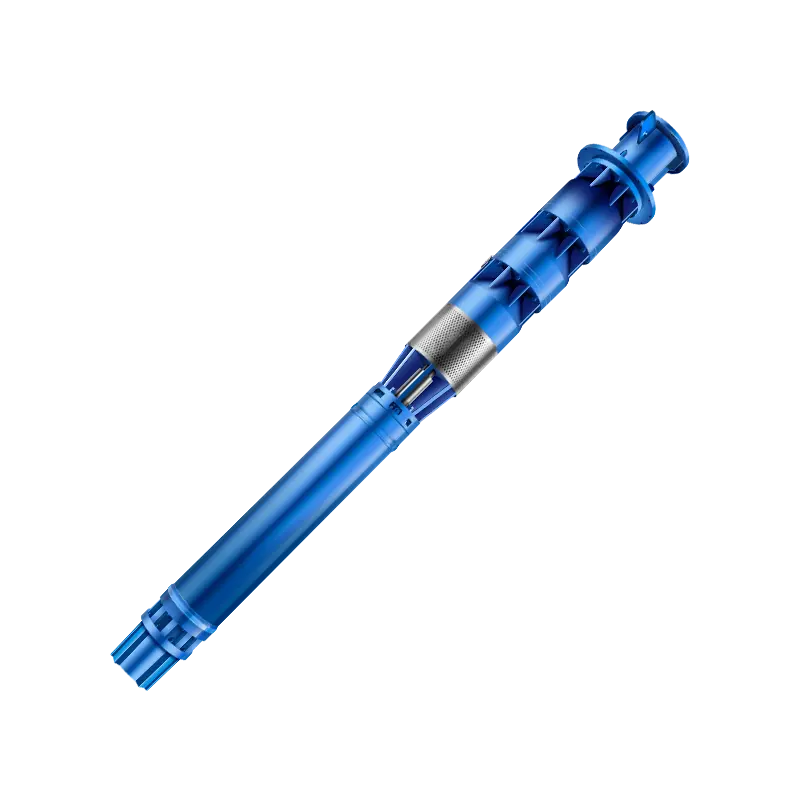
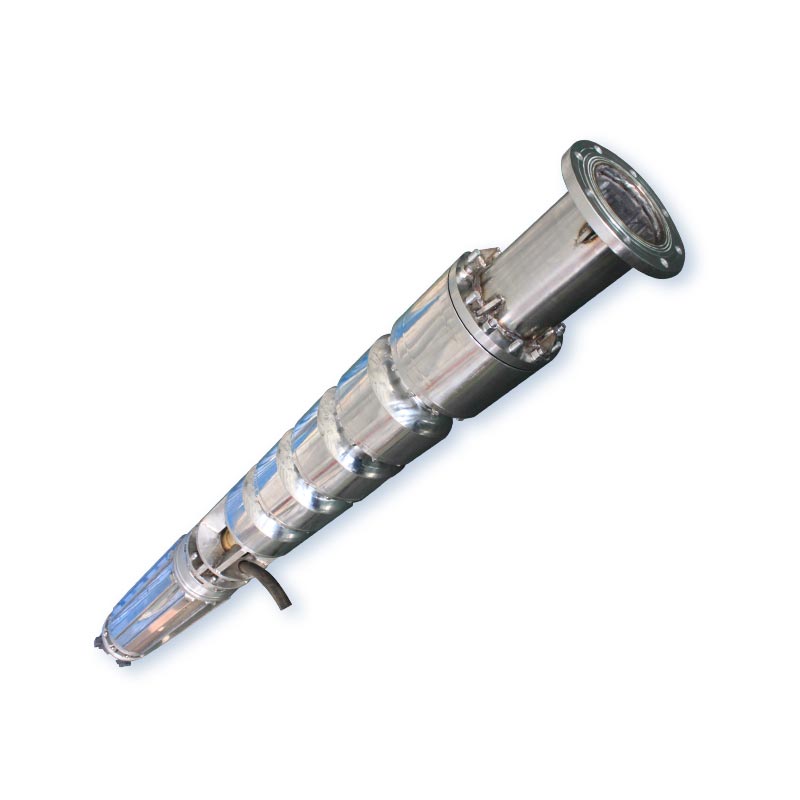
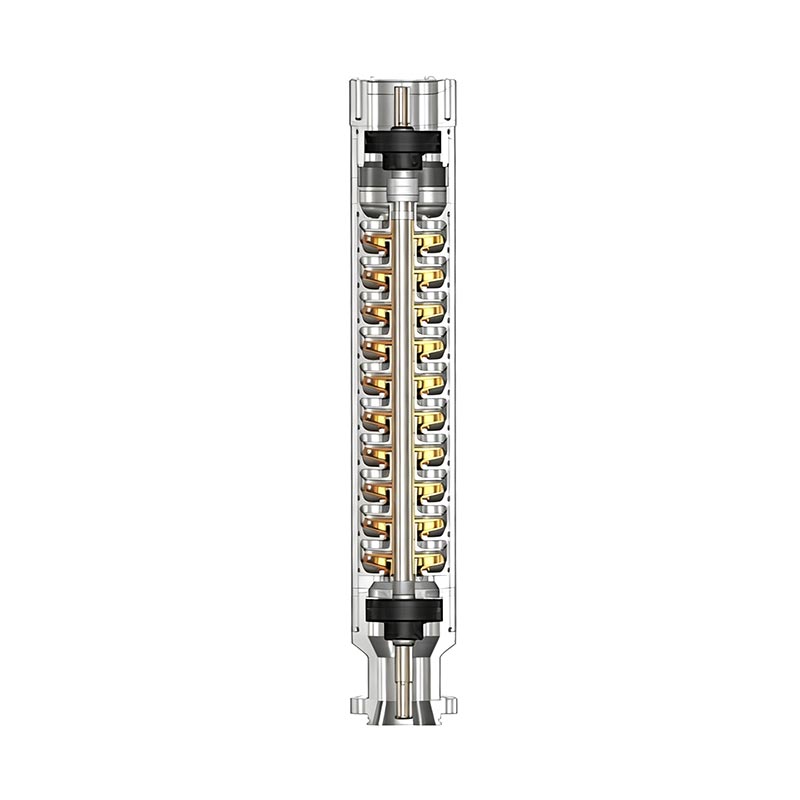
An ESP typically uses an electric motor to drive a multistage centrifugal pump. The pump converts mechanical energy into fluid pressure, allowing oil, water, and associated well fluids to travel upward through the production tubing. The system can be engineered for different well depths, production targets, fluid compositions, temperatures, and operating conditions.
For operators, the central challenge is not simply moving fluid. The real objective is to maintain a stable production rate while controlling energy consumption, equipment wear, workover frequency, and unplanned downtime. Correct ESP design therefore requires the entire well environment to be considered rather than selecting a pump based on flow rate alone.
Aote Tianjin Pump Co., Ltd. provides Electrical Submersible Pump solutions designed for demanding oil production applications, including deep wells, mature oilfields, offshore environments, and wells with high water content.
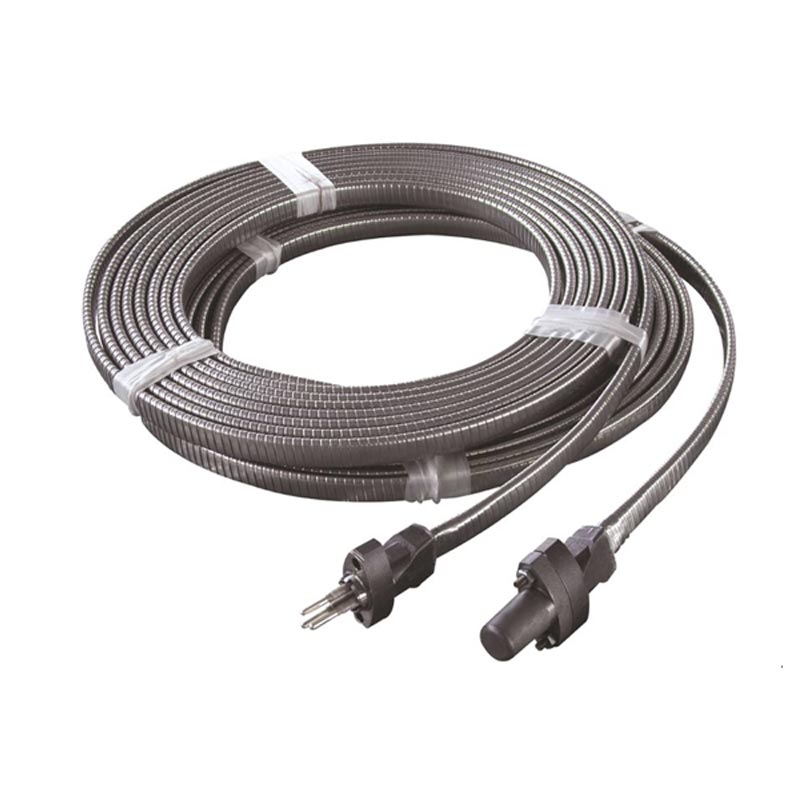
The working process begins when electrical power is supplied from the surface through a specially designed power cable. The electrical energy reaches the downhole motor, which converts electrical energy into rotational mechanical energy.
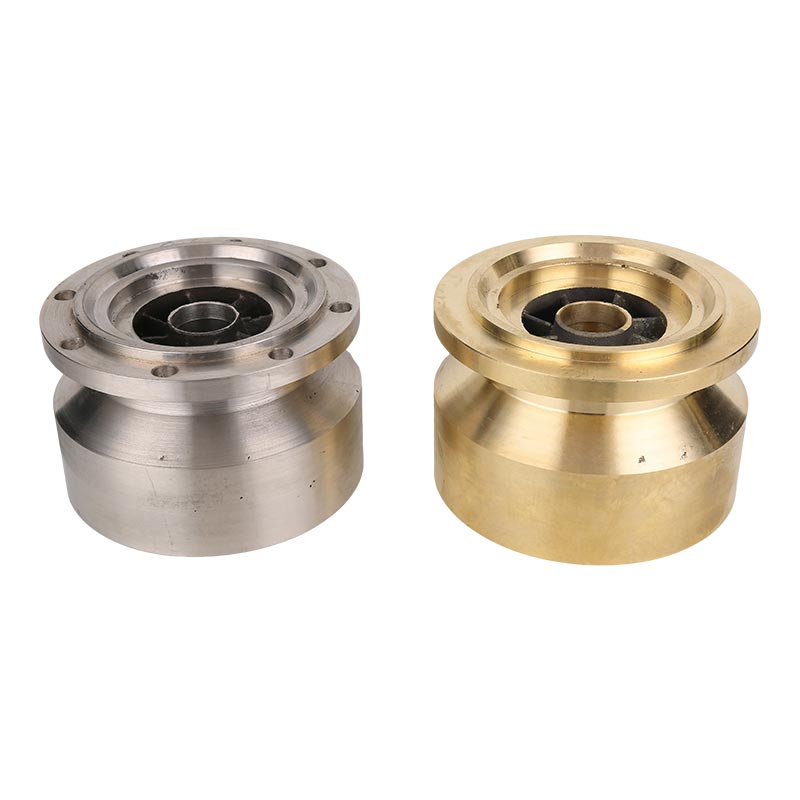
The motor drives the pump shaft and impellers. As well fluid enters the pump intake, rotating impellers increase the fluid's velocity and pressure. Multiple pump stages are arranged in sequence so that pressure can progressively increase as the fluid passes through the pump.
The pressurized fluid then enters the production tubing and moves toward the surface.
The number of pump stages, impeller configuration, motor rating, cable design, and intake arrangement must be matched to actual well conditions. A mismatch can result in excessive power consumption, insufficient production, overheating, gas interference, or accelerated component wear.
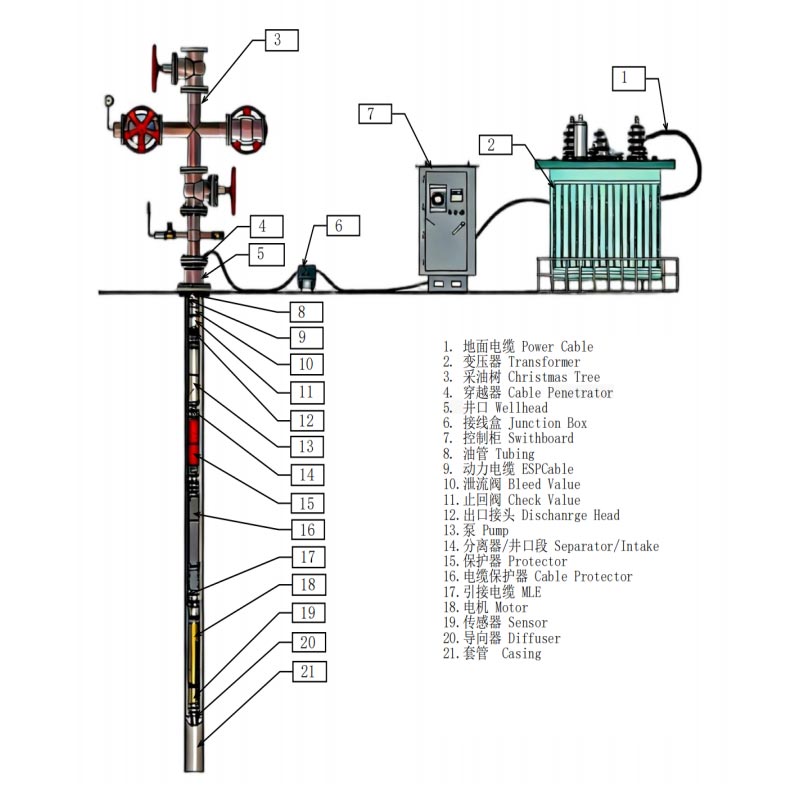
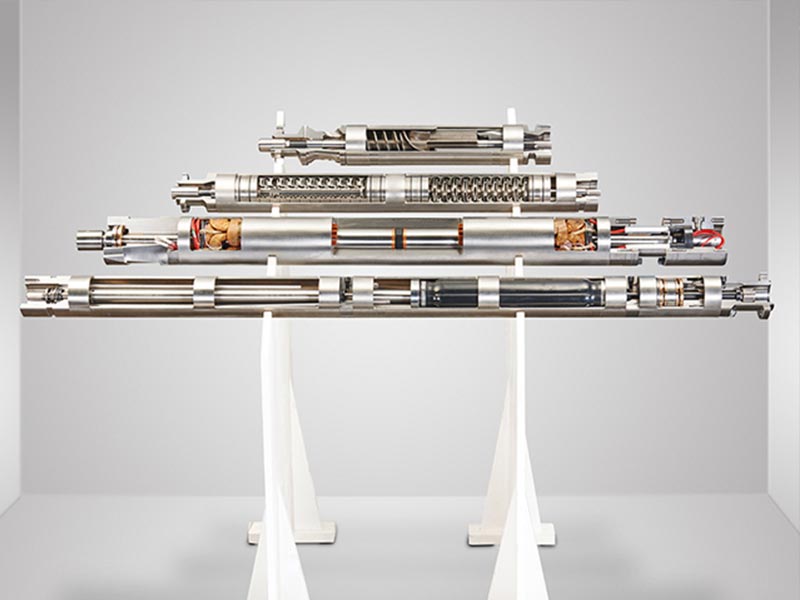
An Electrical Submersible Pump is not a single component. It is an integrated downhole production system. Every major component must operate correctly for the system to achieve stable performance.
| Component | Primary Function | Key Consideration |
|---|---|---|
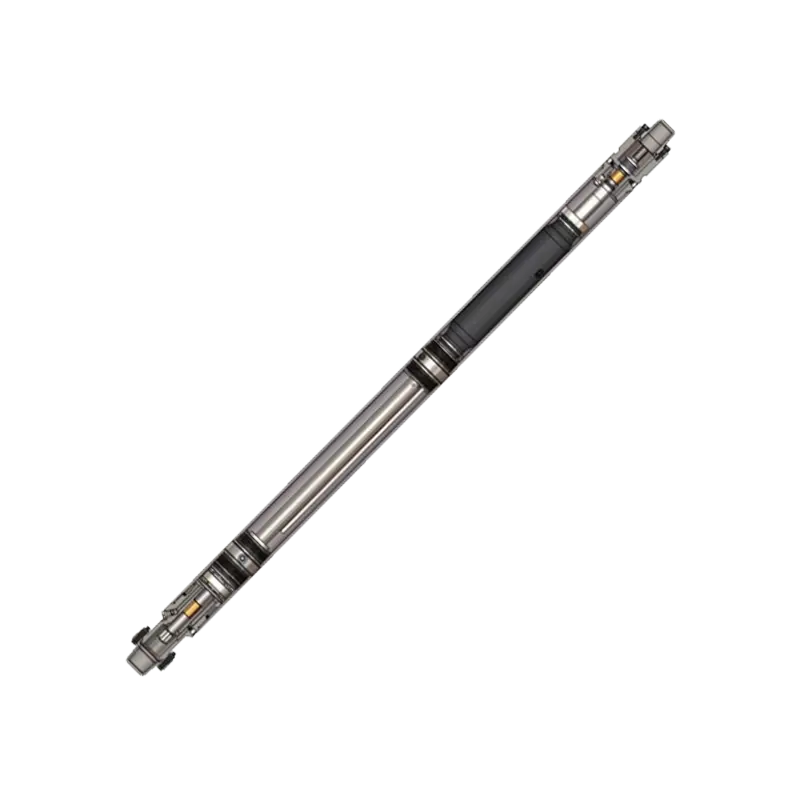
| Submersible Motor | Provides rotational power to the pump | Power rating, voltage, temperature, cooling conditions |
| Protector | Helps protect the motor and manage pressure and fluid separation | Well pressure, temperature, mechanical compatibility |
| Multistage Pump | Builds pressure and lifts production fluids | Head, flow rate, number of stages, fluid properties |
| Intake | Directs well fluid into the pump | Gas handling, solids, intake pressure |
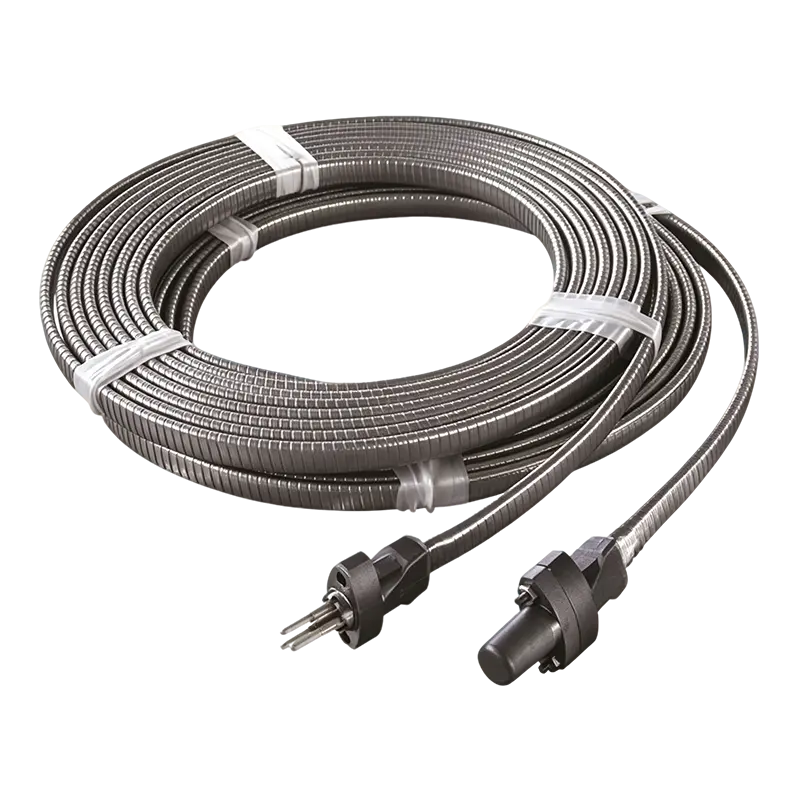
| Power Cable | Transfers electrical power from the surface to the motor | Temperature, voltage, insulation, mechanical protection |
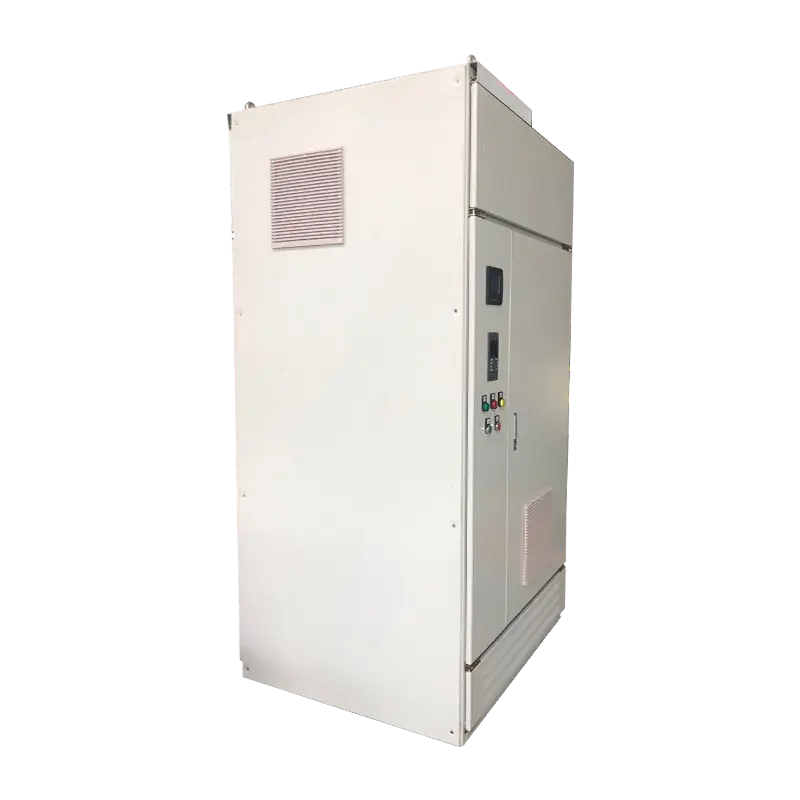
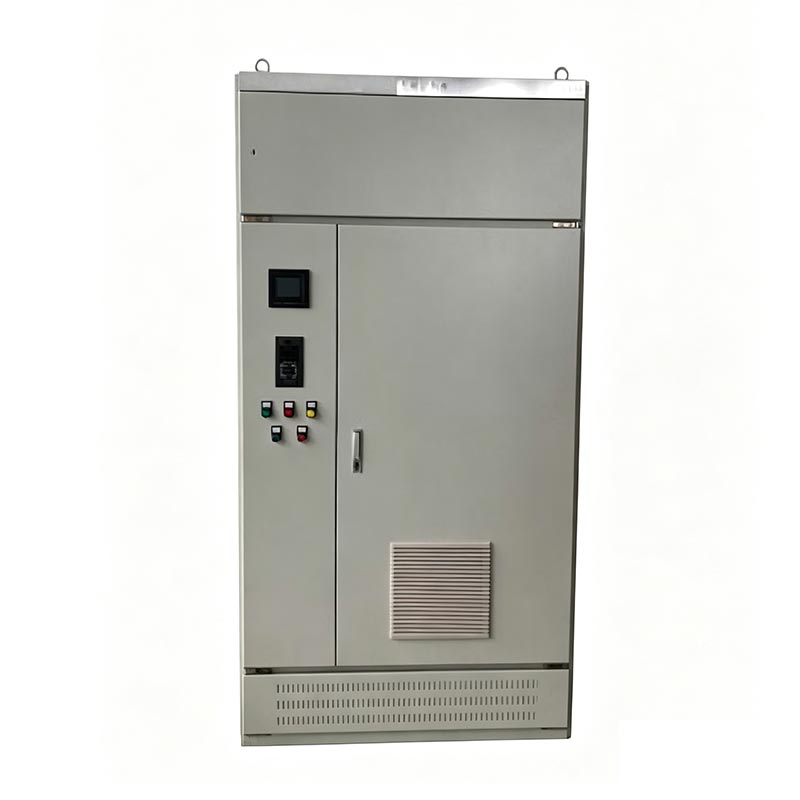
| Surface Controls | Regulates and monitors electrical operation | Motor protection, voltage control, monitoring and shutdown functions |
The interaction between these components is particularly important. For example, selecting a powerful motor without matching the pump hydraulics does not automatically increase production. Similarly, a properly sized pump can still experience premature failure if the cable, protector, motor cooling conditions, or surface power supply is inadequate.
ESP systems are particularly useful when wells require substantial artificial lift capacity. They are commonly considered for wells where the desired production rate exceeds the practical capability of simpler lifting methods.
However, ESP technology is not automatically the best solution for every well. Operators should evaluate the complete production profile, including expected fluid rate, reservoir pressure, well geometry, gas fraction, solids, temperature, and expected production changes throughout the equipment's service period.
Correct selection is one of the most important factors determining ESP service life. A pump that is appropriately matched to the well can deliver stable performance, while an incorrectly selected system may operate outside its efficient range and experience unnecessary mechanical or electrical stress.
Start with the expected liquid production rate rather than simply choosing the largest available pump. The target rate should account for current production and realistic future well behavior.
Oversizing may cause inefficient operation, excessive power consumption, or unstable pumping conditions. Undersizing may prevent the well from reaching its production target.
Pump head must account for the vertical lifting requirement and pressure losses through the production system. Well depth, tubing dimensions, surface pressure, fluid density, and flow rate all influence the required hydraulic performance.
Fluid composition directly affects ESP design. Operators should consider:
These factors influence pump hydraulics, material selection, gas-handling requirements, motor cooling, and expected component life.
Downhole equipment must physically fit the well. Casing diameter, tubing size, deviation, dogleg severity, setting depth, and available clearance should be reviewed before finalizing the ESP configuration.
The motor should provide adequate power without being unnecessarily oversized. Voltage, current, cable length, voltage drop, surface transformer capacity, and control equipment must be considered as part of the electrical design.
Reservoir conditions can change considerably over the life of a well. A design that performs well today may become inefficient if fluid rate, water cut, gas production, or reservoir pressure changes substantially.
A practical ESP design therefore considers not only the initial operating point but also the expected production envelope.
ESP systems operate in an aggressive environment. High temperature, pressure, corrosive fluids, gas, sand, vibration, and electrical stress can all influence equipment reliability.
Free gas entering a centrifugal pump can reduce hydraulic efficiency and may cause unstable operation. Excessive gas can interfere with normal pump performance and increase the risk of gas locking.
Where gas production is significant, the ESP design may require an appropriate gas-handling approach and careful placement of the intake.
Produced sand can cause erosion of impellers, diffusers, and other hydraulic passages. Wells with significant solids production require suitable material selection, operating practices, and production management.
Temperature affects motor insulation, cable performance, lubricant behavior, seals, and other components. The equipment must be rated for the actual downhole temperature rather than a general surface temperature estimate.
Water, salts, dissolved gases, and other chemical constituents can accelerate corrosion. Material compatibility should therefore be evaluated according to the actual well-fluid chemistry.
Voltage imbalance, inadequate power supply, excessive voltage drop, poor connections, and inappropriate control settings can create additional motor stress. Stable electrical supply and appropriate protection are essential for long-term ESP operation.
Although ESP equipment is designed for downhole operation, reliability begins before installation. Engineering, installation, commissioning, monitoring, and production management all contribute to service life.
Preventive management is generally more effective than waiting for a complete downhole failure. Because ESP retrieval can require a significant workover operation, early identification of abnormal conditions can have a major economic impact.
When properly selected and operated, an Electrical Submersible Pump can provide several important advantages for oilfield operators.
| Benefit | Operational Value |
|---|---|
| High Fluid-Lifting Capacity | Supports wells requiring substantial artificial lift. |
| Downhole Installation | Places the lifting mechanism close to the production zone. |
| Continuous Production | Can support stable production when properly matched to well conditions. |
| Adaptability | Configurations can be developed for different depths, rates, temperatures, and fluid conditions. |
| Application Flexibility | Suitable for many mature, deep, offshore, and high-water-cut production environments. |
| Production Optimization | Allows operators to adjust artificial lift according to changing well conditions. |
The biggest advantage is not simply the pump's lifting capability. It is the ability to engineer an artificial lift system around the actual production requirements of a well. This makes accurate engineering and system matching critical to achieving the expected results.
Several avoidable mistakes can reduce ESP performance even when the equipment itself is technically capable.
An Electrical Submersible Pump is a powerful artificial lift solution for wells where natural reservoir energy cannot provide the required production performance. Its combination of a downhole electric motor and multistage centrifugal pump allows substantial volumes of well fluid to be lifted efficiently from deep production zones.
However, successful ESP operation depends on more than pump capacity. Well depth, production rate, pump head, fluid properties, gas content, sand, temperature, corrosion, electrical supply, and future production changes must all be considered during system design.
For oilfield operators, the most effective approach is to treat the ESP as a complete production system rather than an isolated piece of equipment. Accurate well data, appropriate component matching, careful installation, continuous monitoring, and preventive maintenance can help reduce unexpected downtime and improve long-term production reliability.
Aote Tianjin Pump Co., Ltd. focuses on Electrical Submersible Pump solutions for demanding oil production conditions. With suitable pump configurations, power options, materials, and system designs, the equipment can be adapted to different well depths, fluid characteristics, temperatures, and production requirements. If you are evaluating an ESP system for a new well, mature oilfield, offshore project, or high-water-cut application, contact us to discuss your operating conditions and find a suitable Electrical Submersible Pump solution.
An Electrical Submersible Pump is used for artificial lift in oil and gas wells. It helps move reservoir fluids from downhole to the surface when natural reservoir pressure is insufficient to achieve the required production rate. ESP systems are particularly useful for deep wells and applications requiring relatively high fluid production.
The electric motor rotates a multistage centrifugal pump. Each impeller transfers energy to the well fluid, increasing its velocity and pressure. Multiple stages are combined to provide the total head required to move the production fluid through the tubing and toward the surface.
Yes. ESP systems are often considered for wells producing substantial quantities of water along with hydrocarbons because they can be configured for high liquid-handling requirements. However, water properties, corrosion potential, fluid density, and the desired production rate should be evaluated during system design.
Service life can be influenced by temperature, fluid chemistry, gas content, sand production, corrosion, electrical conditions, mechanical loading, operating practices, installation quality, and maintenance. Accurate equipment selection and monitoring can help reduce avoidable failure risks.
ESP systems can be designed for wells with gas production, but excessive free gas can reduce the performance of conventional centrifugal pumping stages. The gas-to-liquid ratio, intake conditions, pressure, and expected gas behavior should therefore be considered when designing the system.
Incorrect sizing can lead to inefficient operation, insufficient production, excessive power consumption, or additional mechanical stress. The pump should be selected according to the expected production rate, required head, well conditions, fluid properties, and anticipated operating range.
Important information normally includes well depth, casing size, setting depth, production target, reservoir pressure, bottomhole pressure, fluid density, oil viscosity, water cut, gas content, temperature, solids production, fluid chemistry, tubing configuration, and available electrical power.
Operators can reduce downtime by using accurate well data, selecting compatible components, following correct installation procedures, monitoring operating parameters, maintaining stable electrical conditions, investigating abnormal trends early, and planning preventive maintenance based on actual operating conditions.
No. An oversized pump may operate away from its preferred operating range and consume unnecessary energy. The objective should be to select a system that matches the well's hydraulic and production requirements while allowing reasonable operating flexibility as conditions change.
Oil wells differ significantly in depth, production rate, temperature, fluid chemistry, gas content, solids, and electrical conditions. A customized solution allows the motor, pump, materials, cable, and supporting components to be matched to the actual operating environment rather than relying on a one-size-fits-all configuration.
Looking for an Electrical Submersible Pump for your oil production project? Share your well depth, target production rate, fluid conditions, temperature, and available power requirements with Aote Tianjin Pump Co., Ltd. to discuss a suitable configuration. Contact us for professional assistance with your Electrical Submersible Pump requirements.