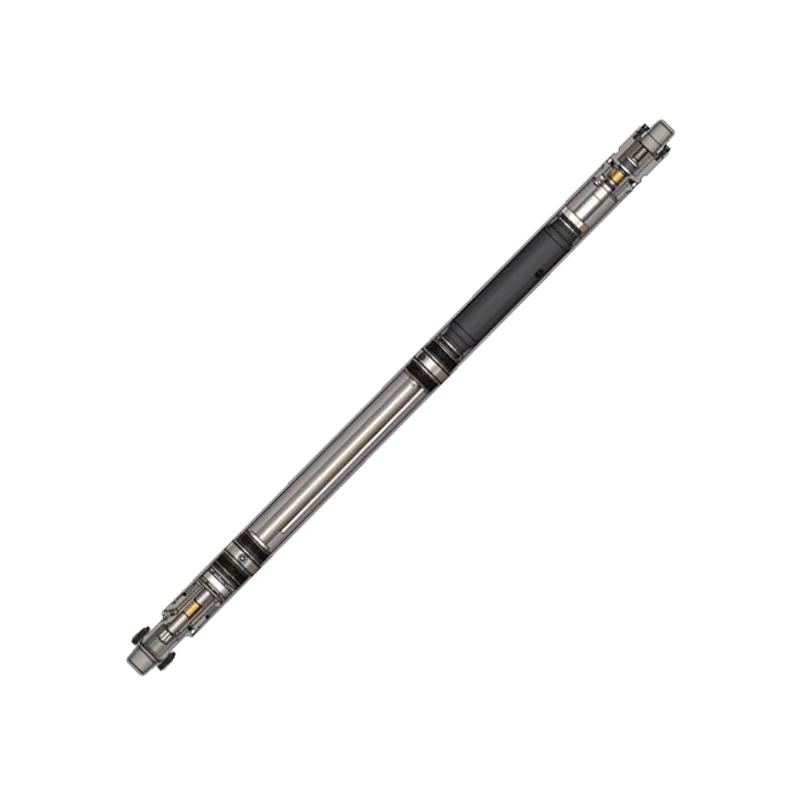
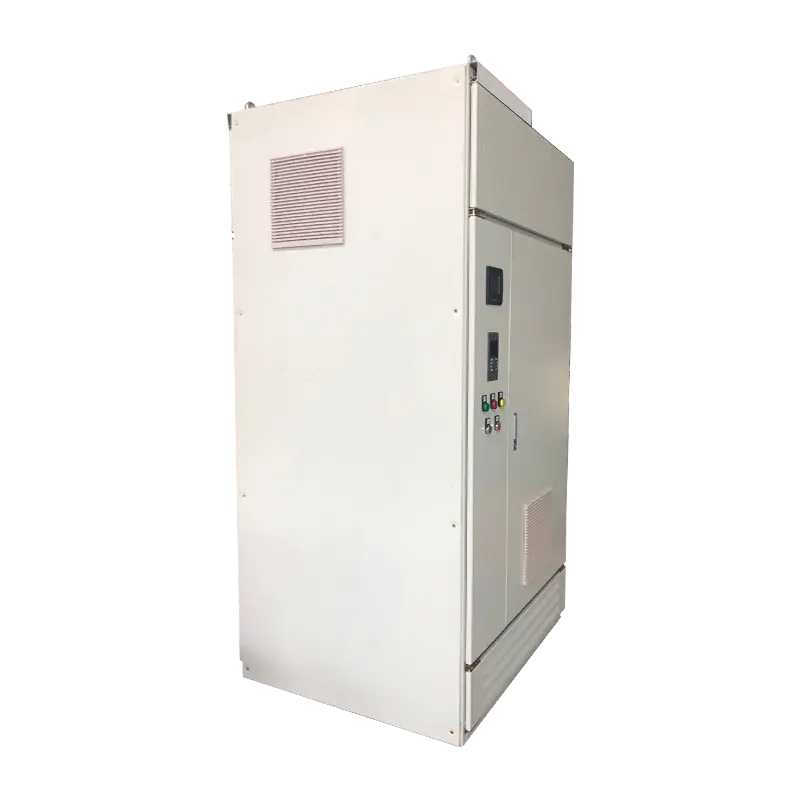
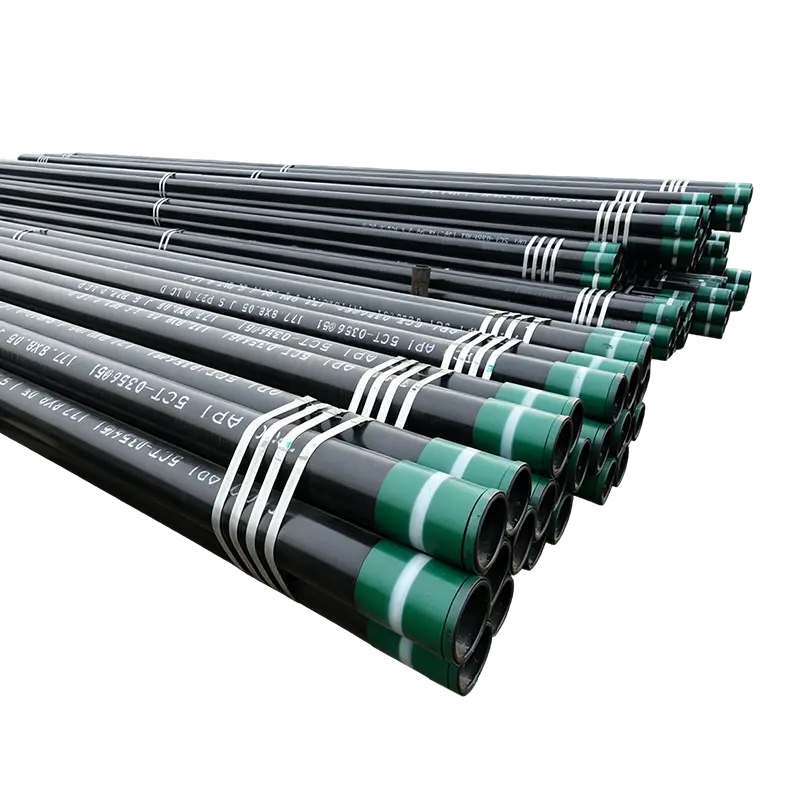
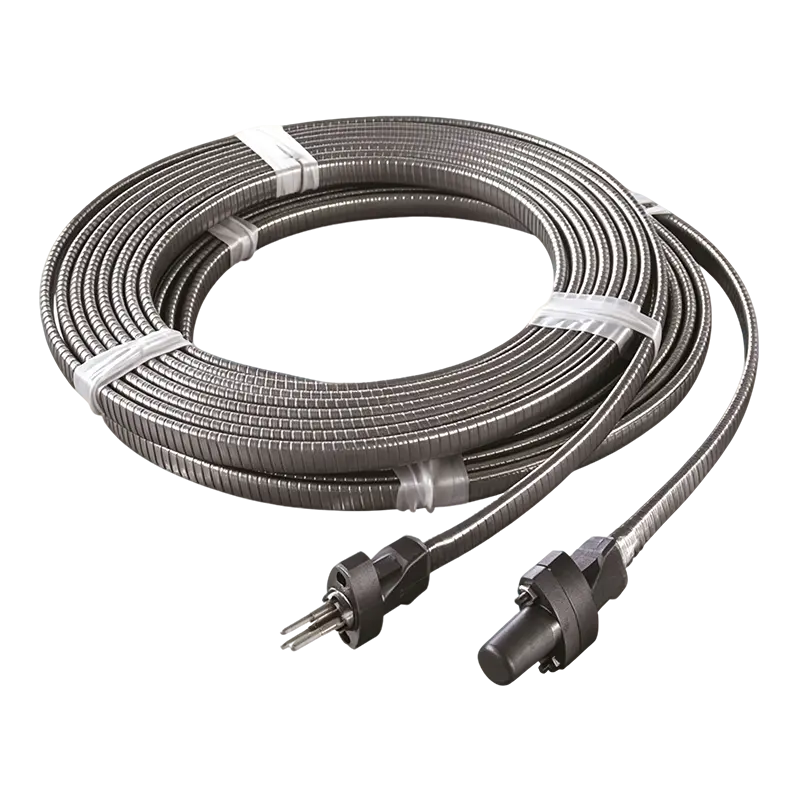
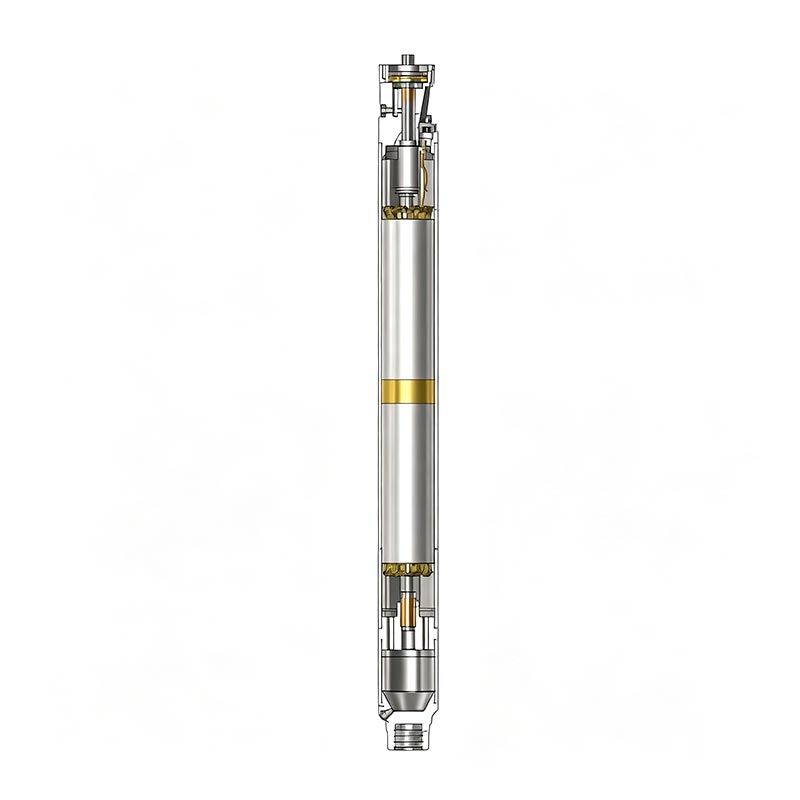
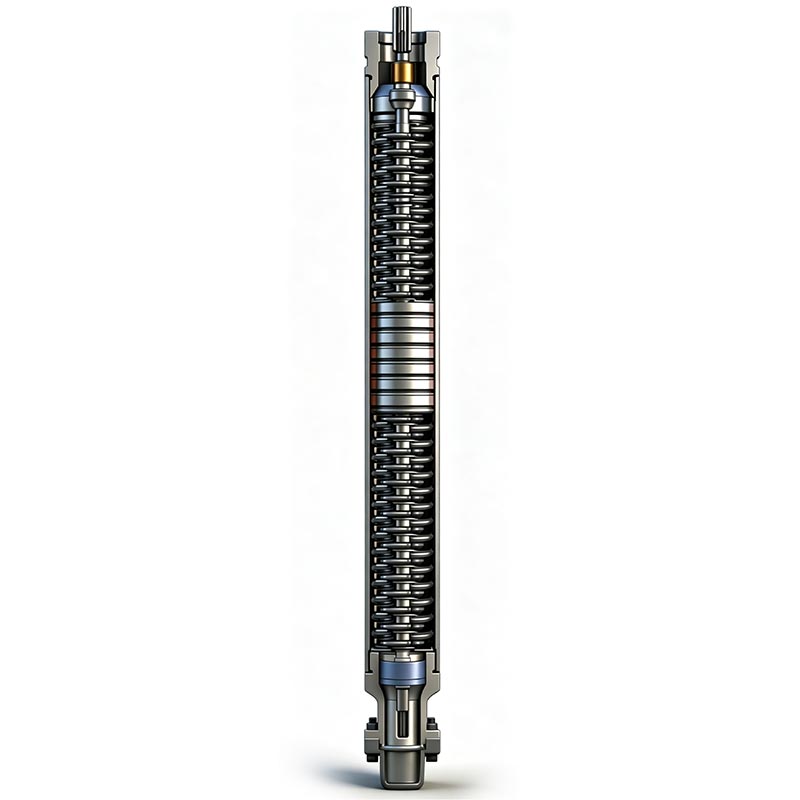
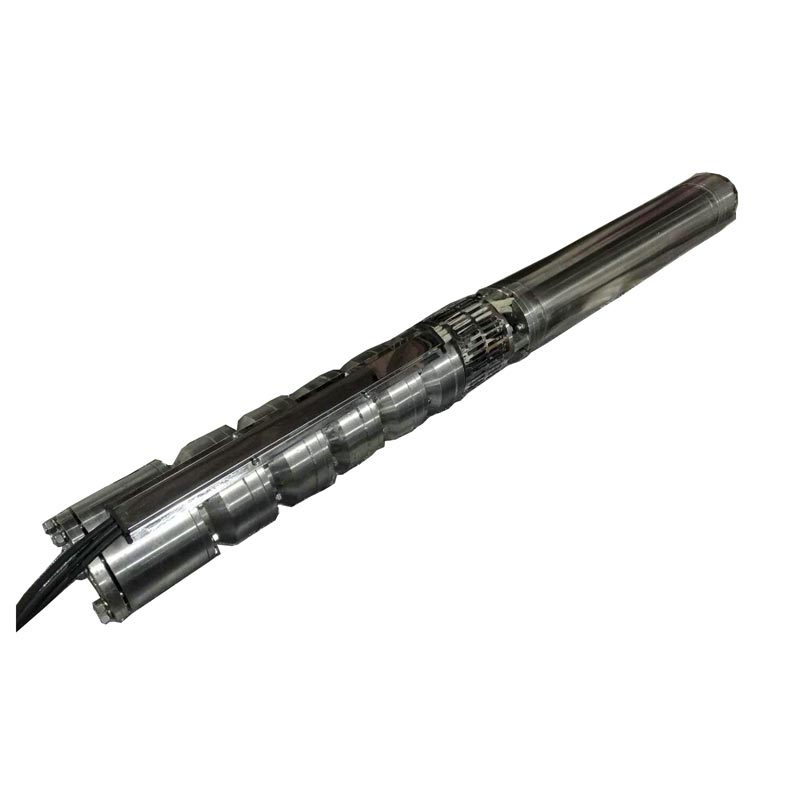
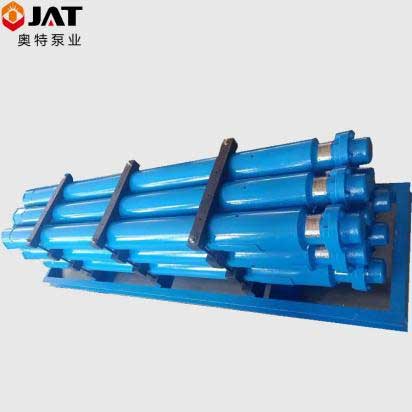
Multiple water engineering units have recently completed batch maintenance and replacement of core drainage and irrigation equipment. As a key fluid transfer device, the submersible pump plays a significant role in these initiatives. New models incorporate high-efficiency hydraulic designs and improved sealing technologies, delivering higher head and flow rates while reducing energy consumption.
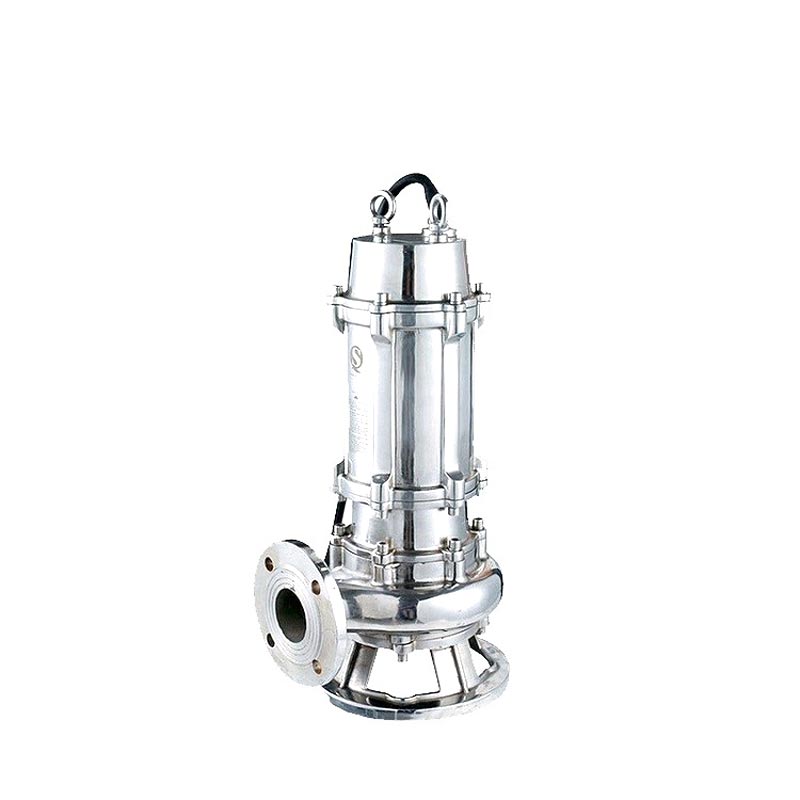
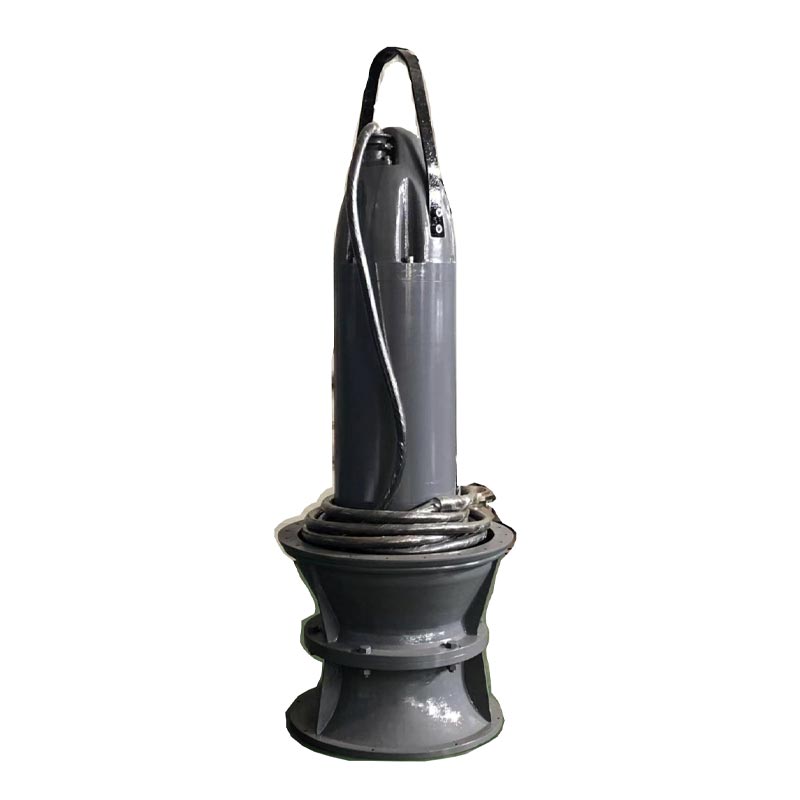
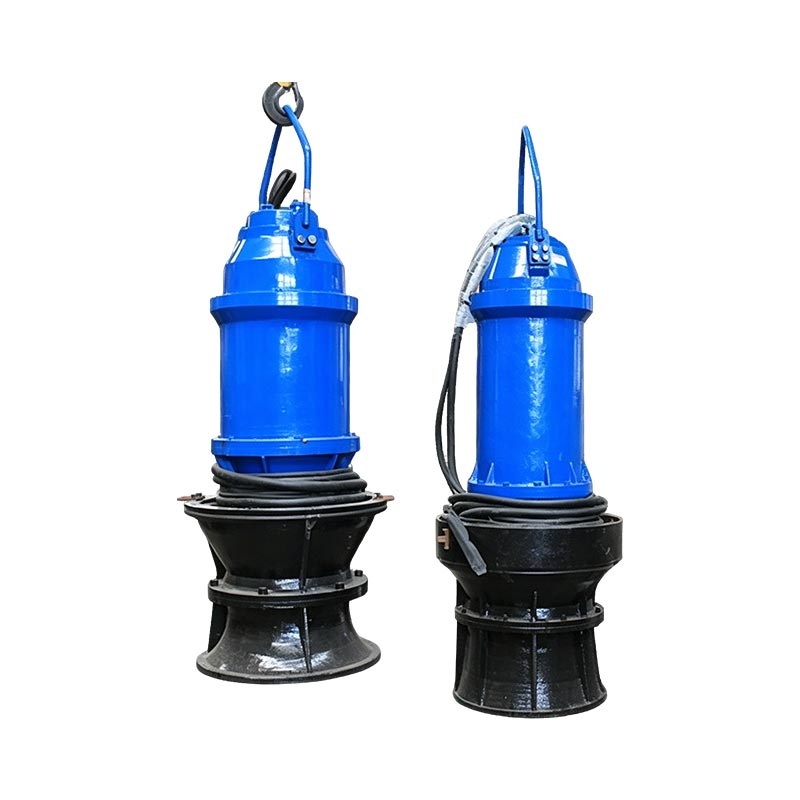
In urban flood control, portable submersible pump sets have been deployed in low-lying areas such as underground garages and underpass tunnels. Their rapid installation features have substantially shortened emergency response times. Test data indicate that next-generation high-capacity units achieve approximately 15% greater drainage efficiency under full-load conditions compared with older versions. Real-time monitoring systems continuously track pump status, including winding temperature, insulation integrity, and leakage detection, ensuring safe operation.
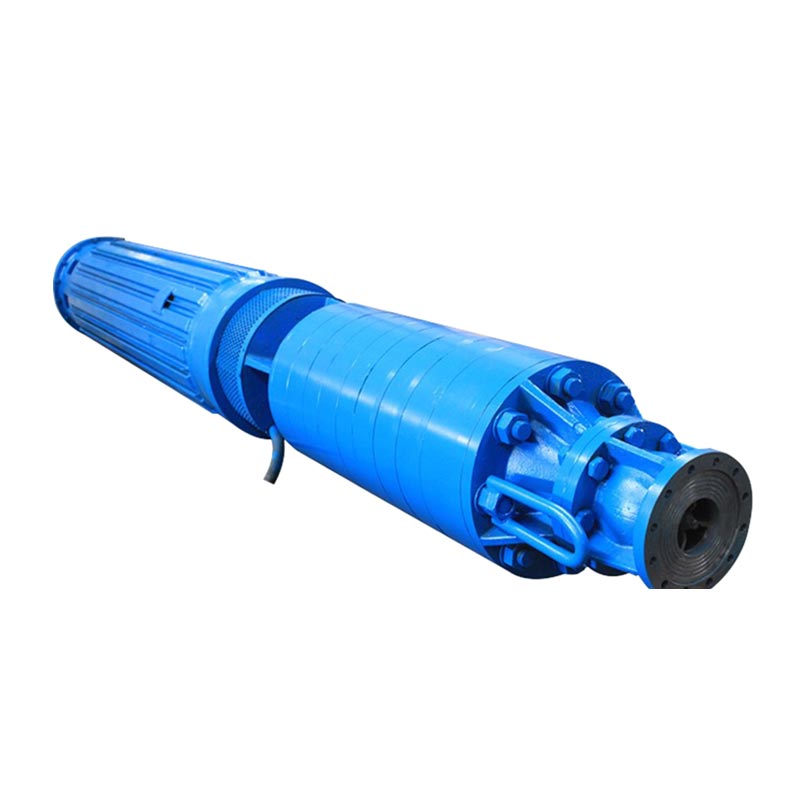
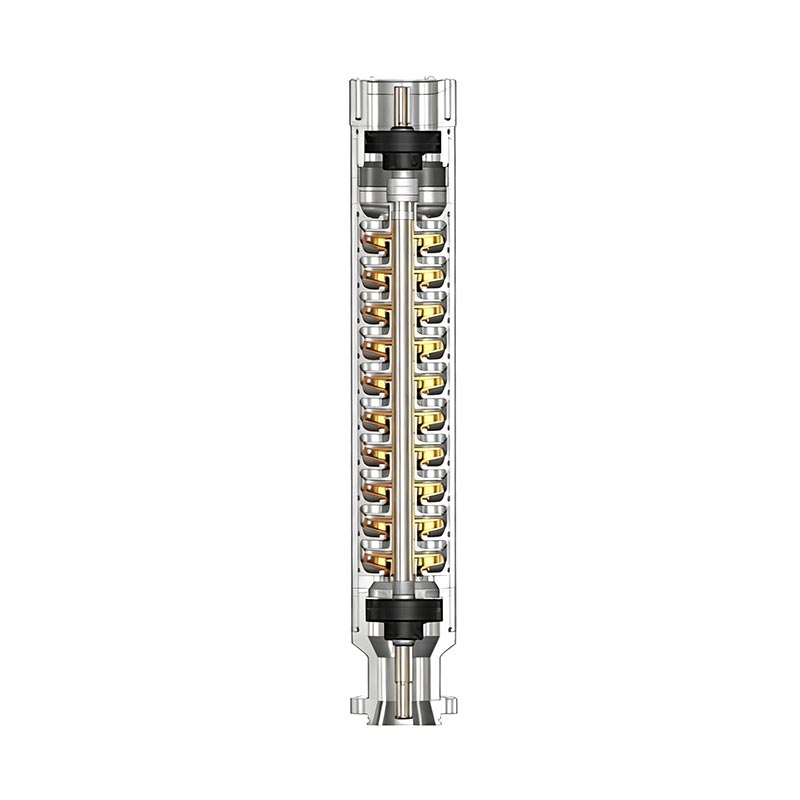
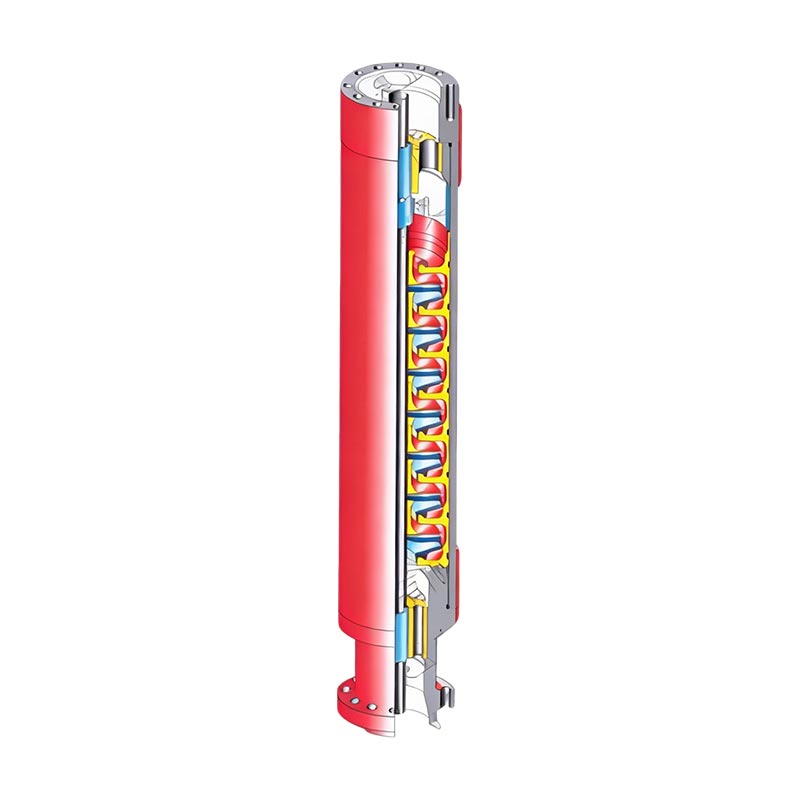
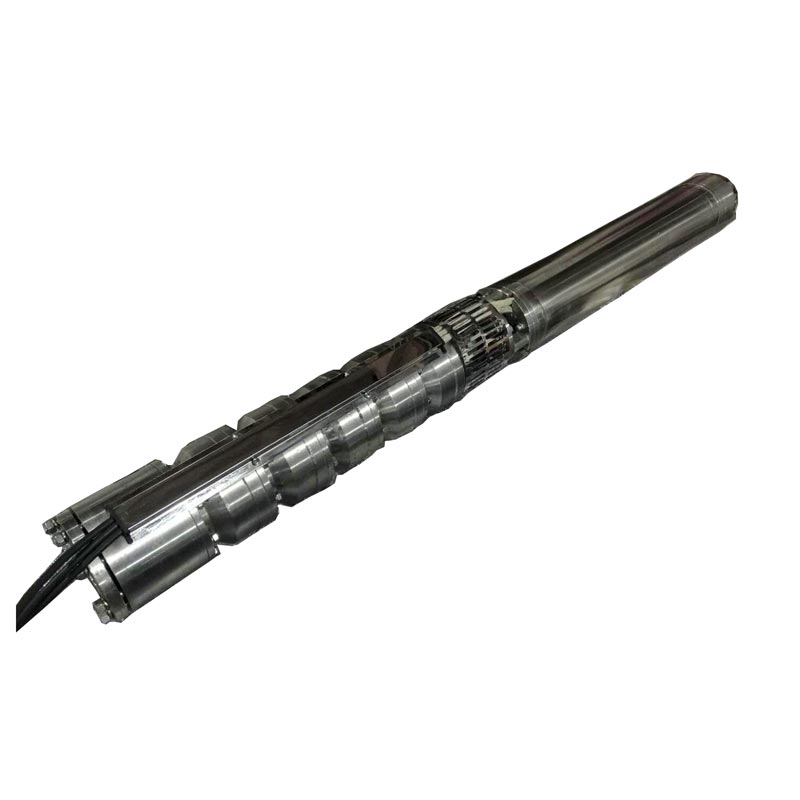
For agricultural irrigation, borehole submersible pumps continue to serve as primary water-lifting tools. In northern dry regions, lightweight stainless steel models have gained farmer acceptance due to their abrasion resistance and anti-corrosion properties. These pumps perform well in sandy water environments and require less frequent maintenance, reducing long-term costs. Some areas have introduced variable-frequency drive technology, enabling automatic speed adjustment based on actual water demand, thus achieving both precision irrigation and energy savings.
Municipal authorities emphasize that submersible pump reliability directly affects flood drainage safety. Major pumping stations have completed preventive inspections and equipped backup units. During emergency drills, the time from transport to normal discharge met established standards. Industry experts note that future developments will focus on modular designs and intelligent systems, using sensor networks and remote control platforms to build unattended pumping stations.
As the rainy season approaches, localities are intensifying on-site commissioning and trial runs. From urban drainage to farmland water delivery, the submersible pump remains a fundamental piece of hydraulic infrastructure, with growing attention paid to performance optimization and maintenance management. Relevant bodies have called for establishing full-lifecycle records to enhance equipment efficiency and safety levels.
We use cookies to offer you a better browsing experience, analyze site traffic and personalize content. By using this site, you agree to our use of cookies.Privacy Policy