Article Summary: MLE Flat Lead Cable is designed for applications where compact installation, mechanical protection, and dependable electrical transmission are essential. Aote provides flat lead cable solutions for demanding oilfield environments, including mobile logging equipment, wellhead automation, and industrial control systems. This guide explains the cable's structure, key advantages, application scenarios, selection criteria, and customization options to help engineers, project managers, and procurement teams identify a suitable cable for their operating conditions.
MLE Flat Lead Cable is a compact, flat-profile cable designed for applications that require efficient electrical transmission, space-saving installation, and mechanical protection. Depending on its construction and intended use, it can be applied to oilfield logging equipment, mobile cable systems, wellhead automation, and other industrial installations exposed to movement, vibration, and harsh operating environments.
In demanding industrial applications, conventional cables may face challenges such as restricted installation space, repeated bending, contact with oil, and mechanical impact. A properly specified flat lead cable helps address these challenges by combining a low-profile geometry with suitable conductor, insulation, sheath, and protective layers.
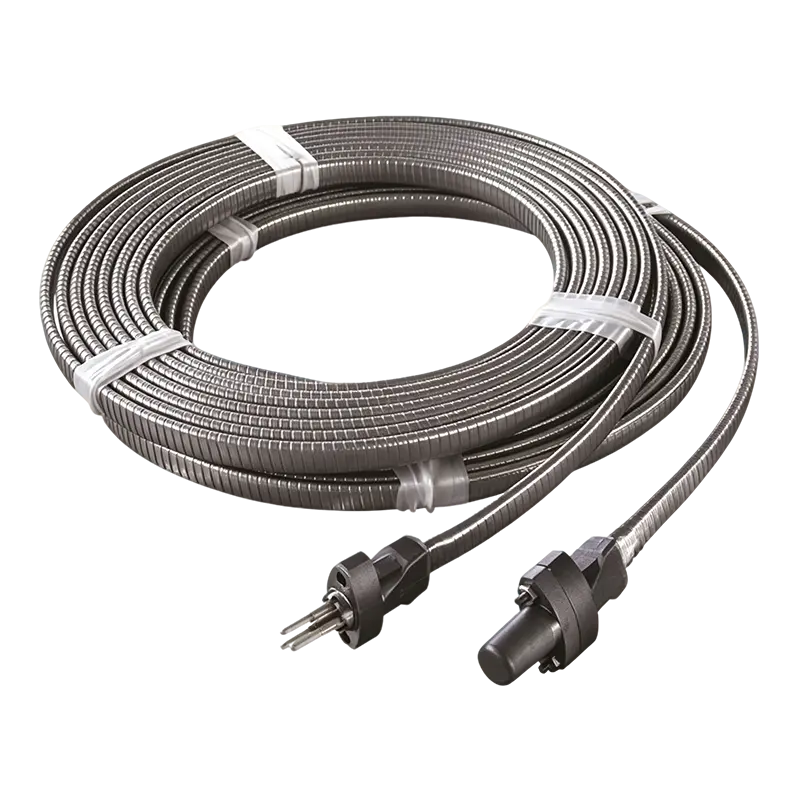
Aote's MLE Flat Lead Cable is presented as a compact, armored cable solution for oilfield logging and mobile cabling. Its flat construction and interlocking steel armor are intended to support space-efficient routing and mechanical protection.
When evaluating this cable, buyers should distinguish between the general MLE cable category and the precise specification of an individual product. Voltage rating, conductor configuration, temperature limits, chemical compatibility, and allowable bending conditions must be confirmed against the manufacturer's technical documentation.
The performance of an MLE Flat Lead Cable depends on how its components work together. Each layer serves a particular purpose, and the complete construction should be selected according to the installation environment rather than appearance alone.
The conductor carries electrical power or signals through the cable. Copper is commonly used because of its electrical conductivity and practical processing characteristics. Conductor material, cross-sectional area, strand configuration, and electrical load all influence performance.
For applications involving repeated movement, conductor flexibility and fatigue resistance are particularly important. The appropriate design should account for bending frequency, movement distance, installation tension, and the required service life.
The insulation separates conductors electrically and helps protect against leakage current and short circuits. Material selection depends on operating voltage, ambient temperature, moisture exposure, and contact with oilfield fluids or industrial chemicals.
Materials such as XLPE and EPDM are used in different industrial cable designs, but they are not interchangeable in every application. Buyers should verify the actual insulation material and its compatibility with the fluids and temperatures expected at the installation site.
Mechanical protection becomes important when a cable is installed near moving machinery, dragged through a controlled work area, or exposed to impact and abrasion. Interlocking metal armor can help resist external mechanical damage while retaining a compact profile.
An outer sheath provides an additional barrier against environmental exposure. Depending on the design, materials may be selected for resistance to oil, moisture, abrasion, or other site-specific conditions. Armor does not automatically make a cable waterproof, crush-proof, or suitable for every chemical environment; these capabilities must be established by product specifications and testing.
The value of an MLE Flat Lead Cable comes from matching its design to the conditions in which it operates. For industrial buyers, the most relevant benefits are installation efficiency, mechanical protection, and compatibility with the surrounding equipment.
The flat cross-section can simplify routing through narrow spaces, cable guides, and compact equipment layouts. In installations where available clearance is restricted, this profile may help engineers arrange cables alongside other equipment without unnecessarily increasing the installation envelope.
Appropriately designed armor helps protect the cable against external contact, abrasion, and certain forms of mechanical impact. This is particularly relevant around logging equipment and industrial machinery, where cable damage can cause unplanned maintenance or interruptions.
Some mobile applications require a cable to move repeatedly during normal operation. In these cases, a suitable conductor and insulation design can help manage flexing-related fatigue. However, not every flat cable is rated for continuous dynamic movement. Buyers should confirm the permitted bend radius, travel distance, movement speed, and fatigue-test conditions.
Oilfield and industrial installations may expose cables to lubricants, hydrocarbons, brine, moisture, heat, and vibration. Selecting suitable insulation, sheath, and armor materials helps align the cable with those operating conditions and reduces the risk of premature deterioration.
Flat lead cables, conventional flat cables, and round cables serve different installation requirements. The best choice depends on available space, mechanical exposure, electrical loading, movement patterns, and environmental conditions.
| Evaluation Factor | MLE Flat Lead Cable | Standard Flat Cable | Traditional Round Cable |
|---|---|---|---|
| Installation profile | Flat and compact | Flat and space-efficient | Round profile |
| Mechanical protection | Can incorporate interlocking metal armor | Depends on the selected construction | Depends on sheath and armor design |
| Routing in narrow spaces | Suitable when dimensions and clearances match | Often suitable | Depends on diameter and installation layout |
| Dynamic bending | Must be verified for the specific model | Must be verified for the specific model | Must be verified for the specific model |
| Oil and chemical resistance | Depends on insulation and sheath materials | Depends on material selection | Depends on material selection |
| Typical selection priority | Compact layout and required mechanical protection | General flat-cable routing | Applications suited to a round cable profile |
This comparison is a general selection guide, not a substitute for model-specific test data. A well-designed round cable may outperform an unsuitable flat cable under certain conditions. Engineers should compare verified specifications rather than relying on cable shape or product category alone.
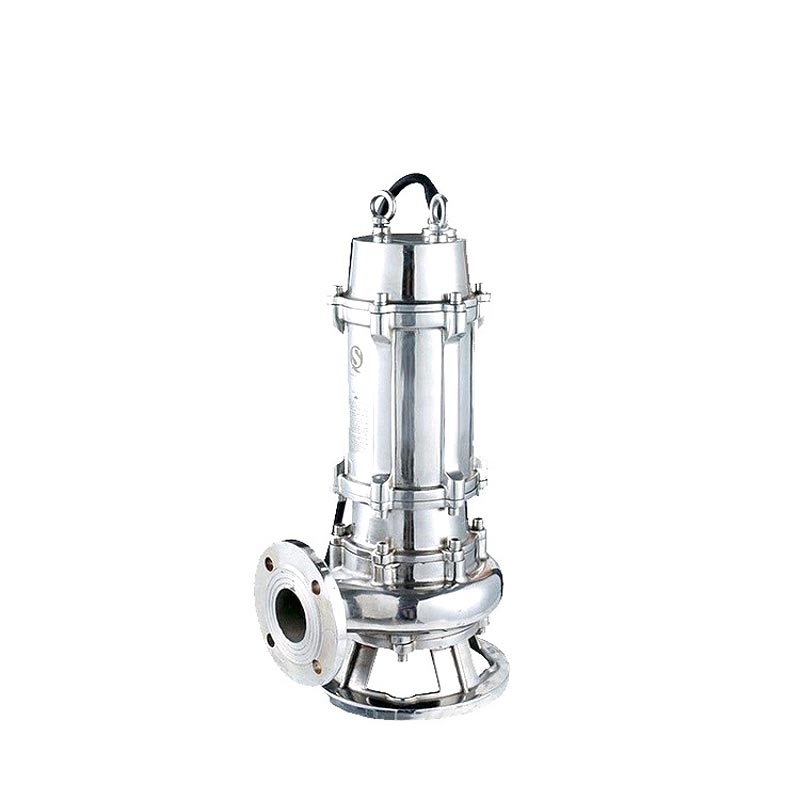
For related options, explore Aote's industrial pump and cable product range and review the relevant technical documentation before finalizing a system design.
The flat, protected construction can be useful in industrial environments where cable routing and mechanical exposure are important design considerations. The actual suitability of a specific cable depends on its approved operating conditions and electrical ratings.
Logging operations often involve instruments and equipment that move during testing or measurement. Cable routing must account for movement, abrasion, available space, and exposure to oilfield contaminants. A suitable flat cable can help support organized routing and reliable connections.
Wellhead installations may have limited clearance around valves, monitoring equipment, junction boxes, and control components. A compact cable profile can help simplify routing, provided the cable also meets the required electrical, environmental, and mechanical specifications.
Mobile equipment may generate repeated cable movement, vibration, and contact with nearby components. A cable selected for the correct dynamic duty can support power or control connections while helping manage wear associated with normal operation.
Offshore and coastal facilities may expose electrical systems to moisture, salt, vibration, and corrosive atmospheres. Material compatibility and protective construction are essential. An armored cable should not be assumed to be suitable for direct seawater exposure or hazardous-area installation without the required evidence and approvals.
Before specifying an MLE Flat Lead Cable for any of these applications, confirm whether the required function is power transmission, signal transmission, or both. Also establish the cable's installation route, operating cycle, environmental exposure, and connection requirements.
Choosing a cable based only on its dimensions or purchase price can create avoidable engineering risks. A structured review helps procurement teams compare technically suitable products and reduce compatibility problems during installation.
The following table can be used as a starting point for a technical inquiry.
| Specification | Information to Confirm | Why It Matters |
|---|---|---|
| Voltage and current | System ratings and load requirements | Electrical safety and conductor sizing |
| Conductor configuration | Material, number of cores, and cross-section | Electrical performance and connection compatibility |
| Insulation and sheath | Material type and operating limits | Thermal and environmental suitability |
| Overall dimensions | Width, thickness, and dimensional tolerances | Installation clearance and equipment fit |
| Mechanical requirements | Bend radius, movement cycle, and armor construction | Resistance to wear and movement-related fatigue |
| Quality documentation | Applicable standards and test records | Traceability and project acceptance |
Industrial cable projects rarely share exactly the same installation conditions. Differences in electrical load, operating temperature, cable routing, movement frequency, and environmental exposure can affect the most appropriate design.
Aote indicates that its MLE Flat Lead Cable can be customized according to application requirements. Depending on technical feasibility, the specification discussion may cover conductor configuration, cross-sectional area, sheath materials, and cable length.
When requesting a customized solution, provide an accurate description of the equipment and its operating conditions. This allows the manufacturer to assess compatibility before production and helps prevent a mismatch between the cable design and the installation environment.
Testing requirements should reflect the actual application and applicable standards. If a project requires continuous-flex operation, high-temperature service, or hazardous-area approval, those requirements should be explicitly stated and documented rather than assumed from a general product description.
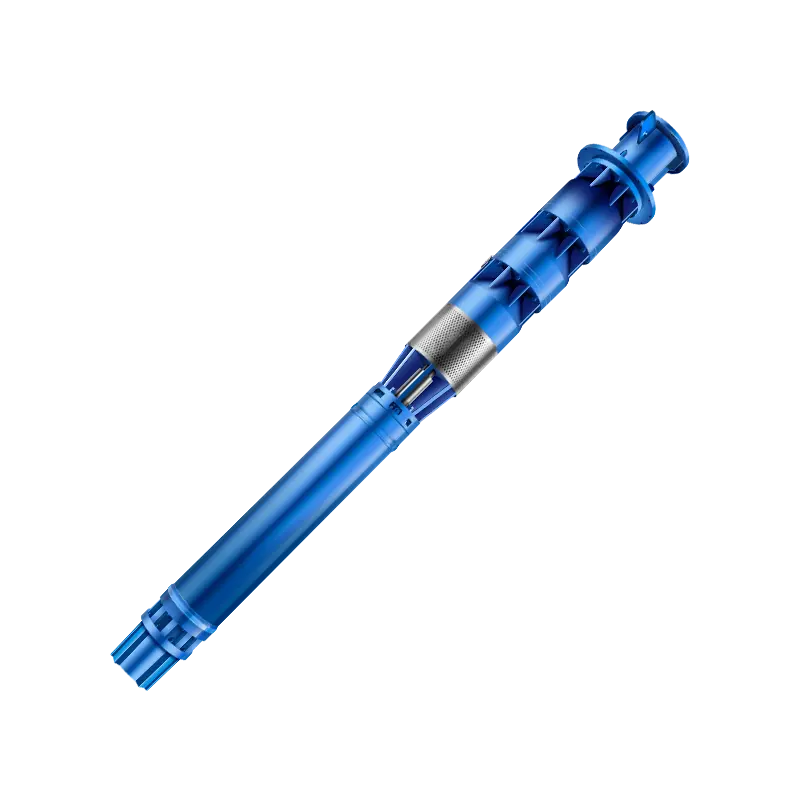
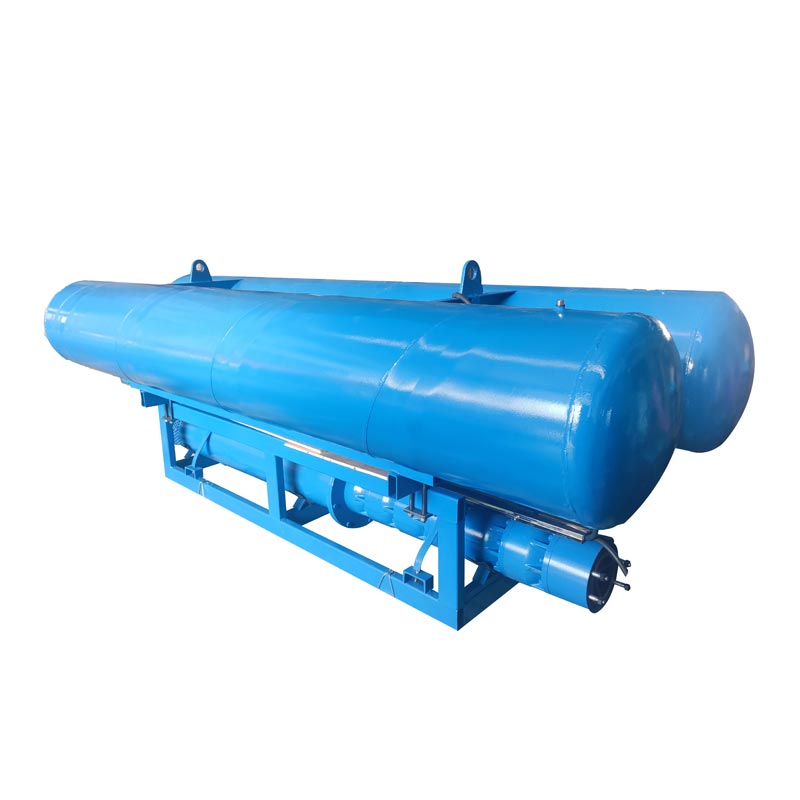
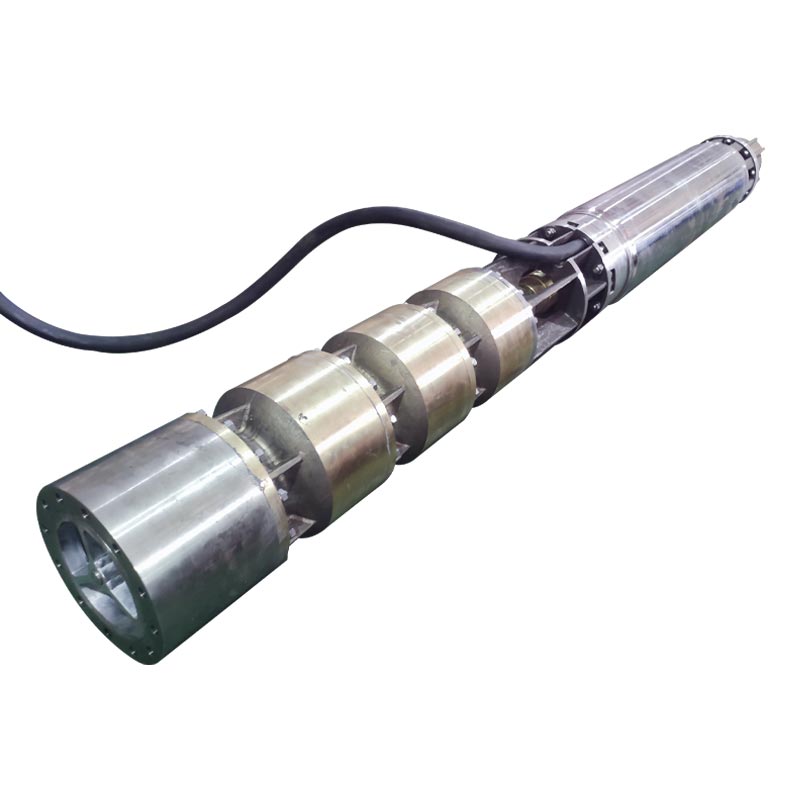
For broader system planning, buyers can also review Aote's information about electrical submersible pump systems to understand how cable selection fits into the overall equipment configuration.
Answer: It is designed for applications that require a compact flat cable profile, reliable electrical transmission, and suitable mechanical protection. Depending on its specification, it may be used in oilfield logging, wellhead automation, and other industrial cable installations.
Answer: The main difference is the cross-sectional profile. A flat cable may fit more conveniently into narrow routing spaces, while a round cable may suit other installation arrangements. Armor, flexibility, electrical capacity, and environmental resistance depend on the specific construction of each cable.
Answer: Its suitability depends on the insulation, sheath, armor, and the chemicals involved. Buyers should provide the expected fluids, concentration, temperature, and exposure duration so the manufacturer can confirm material compatibility.
Answer: No. Continuous-flex performance depends on conductor construction, materials, bend radius, movement speed, and fatigue-test results. Confirm that the exact model is rated for the required duty cycle before installation.
Answer: Aote describes customization options for conductor configuration, cross-sectional area, sheath material, and cable length. Share your technical requirements and installation conditions to confirm the available options for your project.
Answer: Include the intended application, voltage, current, conductor count, cross-sectional area, required length, operating temperature, chemical exposure, movement conditions, overall dimensional limits, and any required standards or documentation.
Answer: Compare the approved technical datasheet with your project specifications. Request relevant electrical, dimensional, mechanical, and environmental test records, and verify that any required certifications or approvals apply to the exact product configuration.
MLE Flat Lead Cable can be a practical option for industrial installations that need compact routing, mechanical protection, and dependable electrical transmission. The right solution depends on more than cable shape: conductor sizing, insulation materials, operating conditions, movement requirements, and equipment compatibility all influence long-term performance.
For engineers and procurement teams, a clear technical specification and a thorough review of product documentation are essential steps toward reducing installation risks and improving maintenance planning. Aote offers an MLE Flat Lead Cable solution with customization options intended to address different industrial requirements.
If you are sourcing MLE Flat Lead Cable for oilfield logging, wellhead automation, or another demanding industrial application, visit the Aote MLE Flat Lead Cable product page to review the product information. Share your operating conditions, dimensional requirements, and electrical specifications with the Aote team, and contact us today to discuss a suitable cable configuration, request technical support, and obtain a quotation for your project.
-