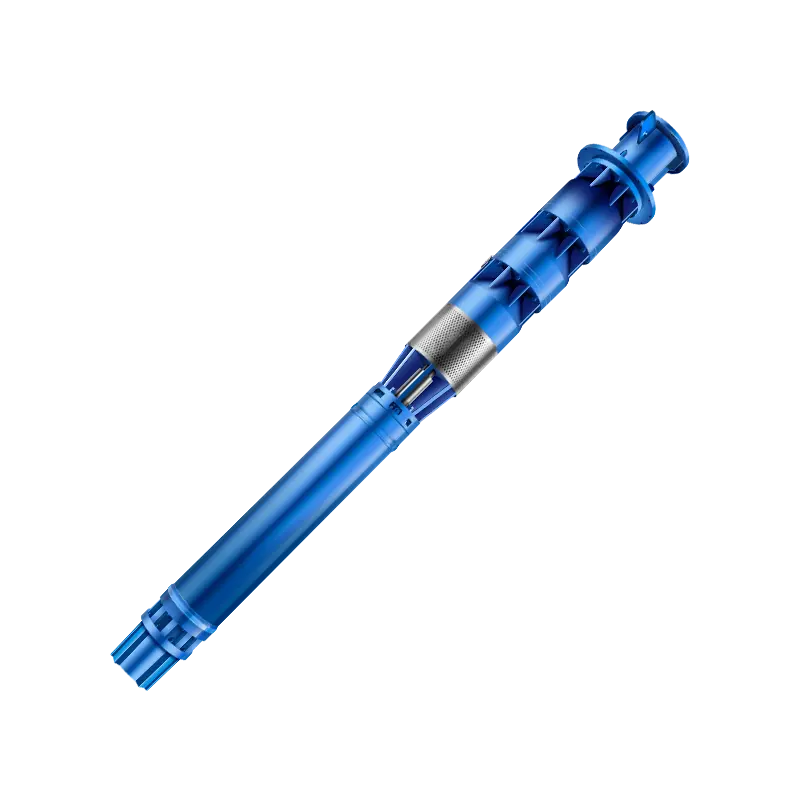
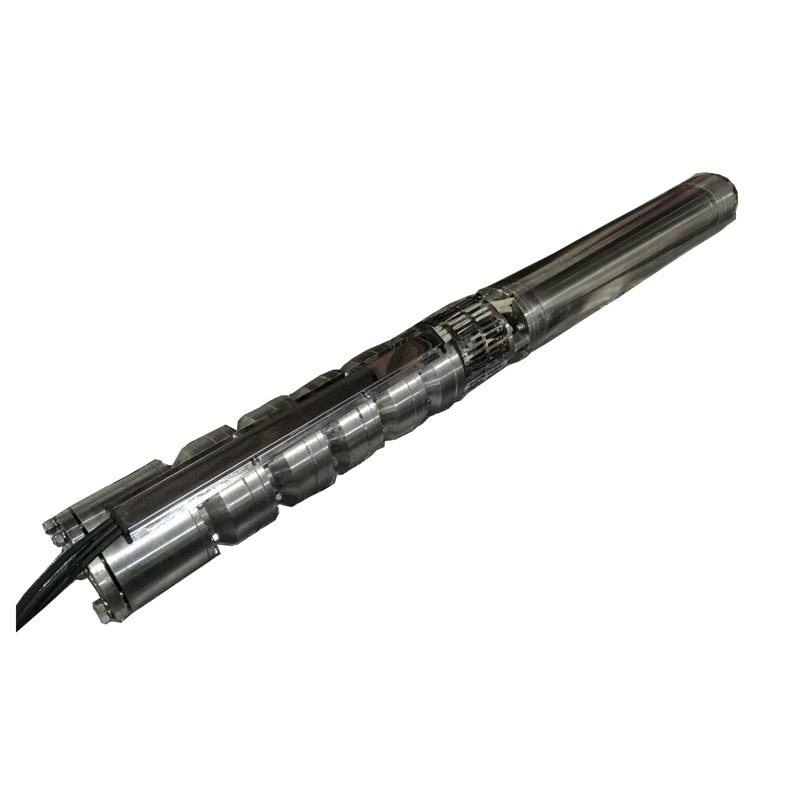
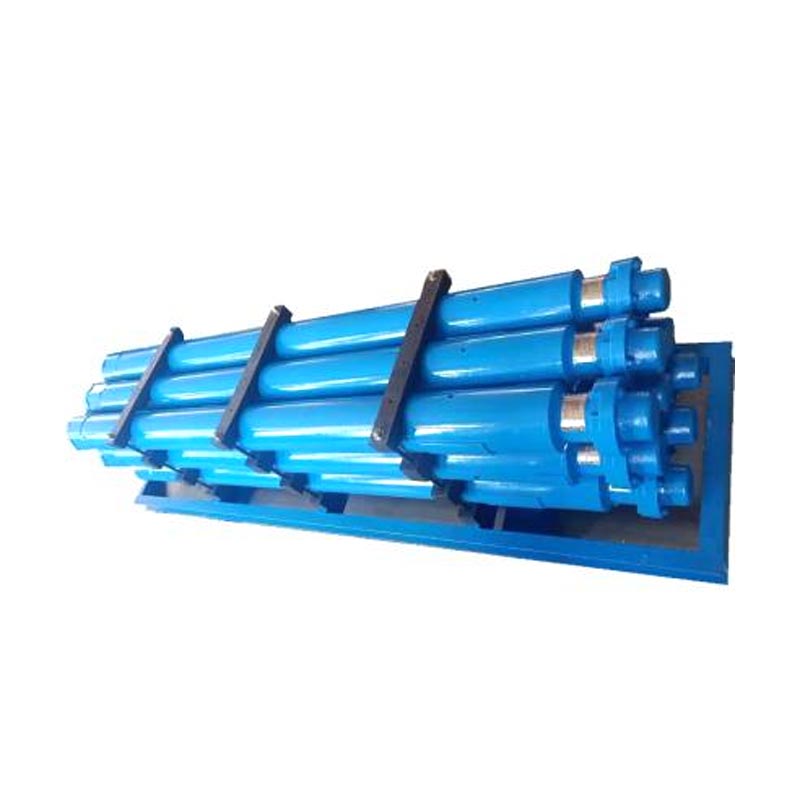
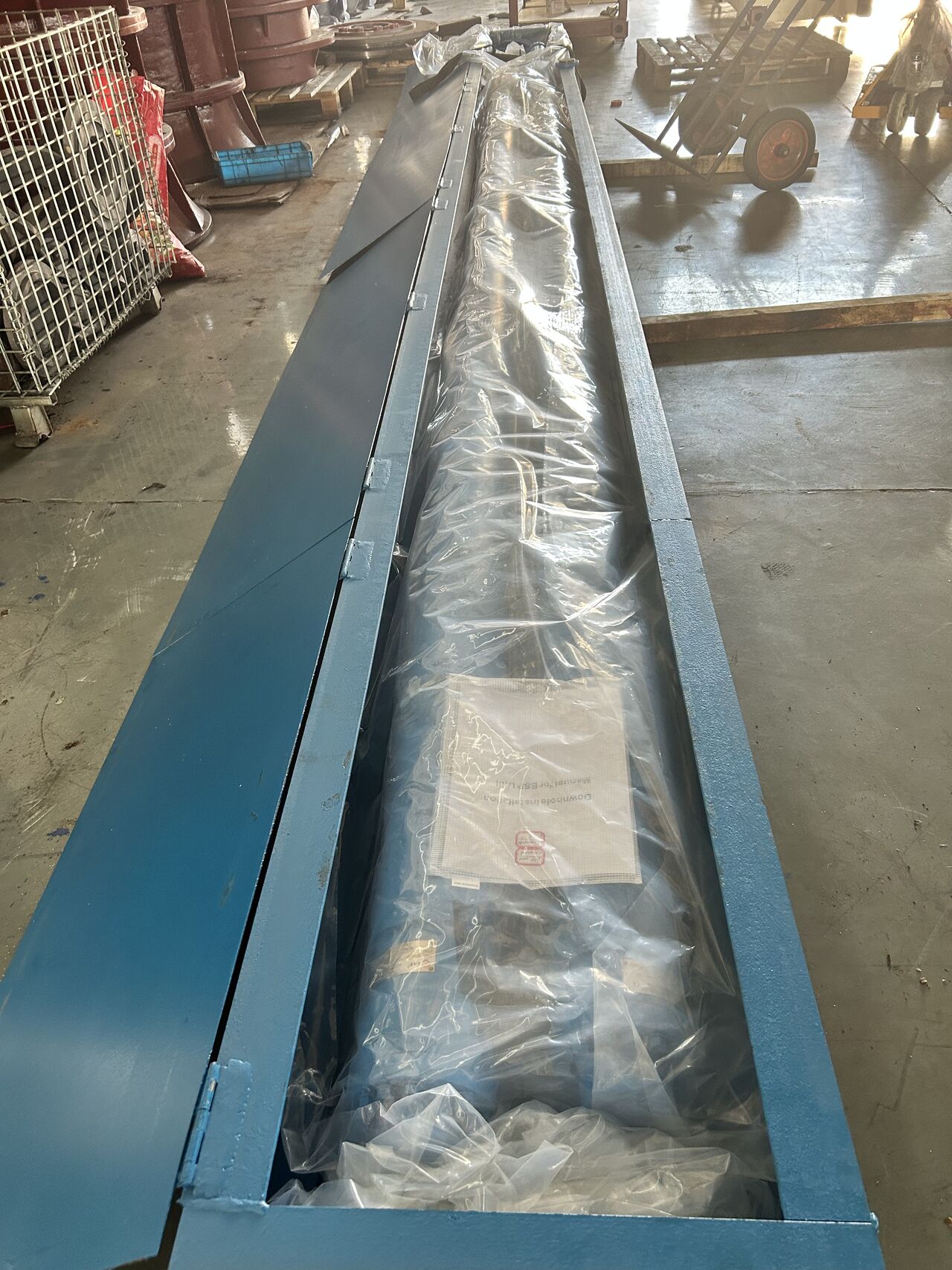
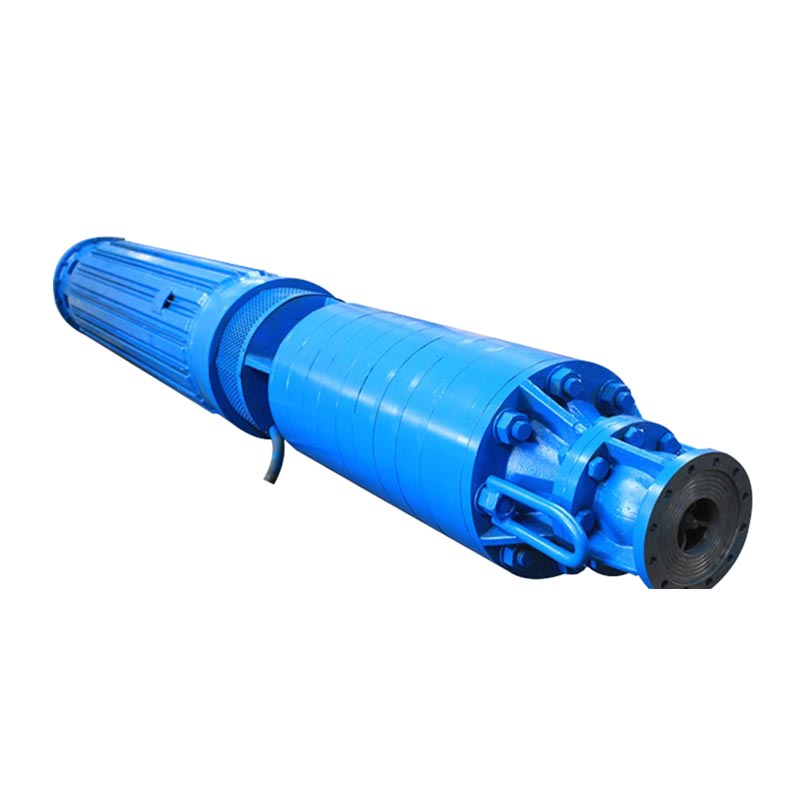
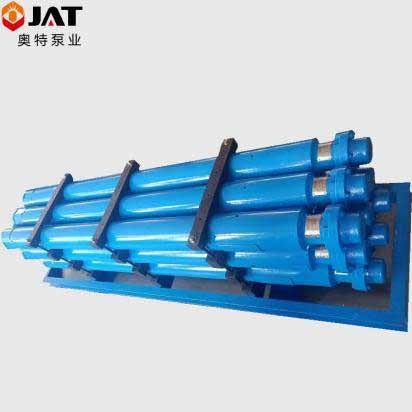
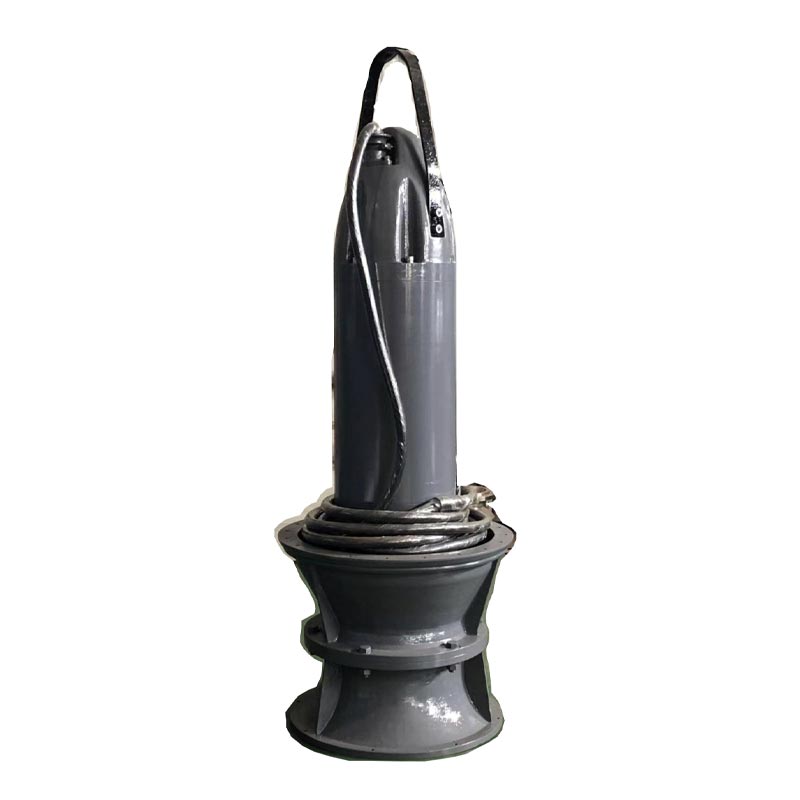
When reliable seawater intake is essential for cooling, firefighting, deck washing, and other onboard services, AOTE provides a Submersible Seawater Pump for Vessel designed for demanding marine environments. Its fully submerged configuration, corrosion-resistant construction, and flexible operating capabilities make it a practical solution for commercial ships, fishing vessels, offshore facilities, and marine engineering projects.
A vessel's seawater system must operate reliably despite continuous exposure to saltwater, limited installation space, vibration, and changing operating conditions. A properly engineered Submersible Seawater Pump for Vessel can address these challenges by placing the pumping unit directly in the seawater source, reducing intake piping requirements and eliminating the need for a separate pump room in suitable installations.
Seawater is widely used aboard ships because it is readily available and can support several essential systems. However, seawater also contains dissolved salts and other substances that can accelerate corrosion and affect equipment durability. Pumping equipment therefore needs to be selected according to both hydraulic requirements and the marine environment.
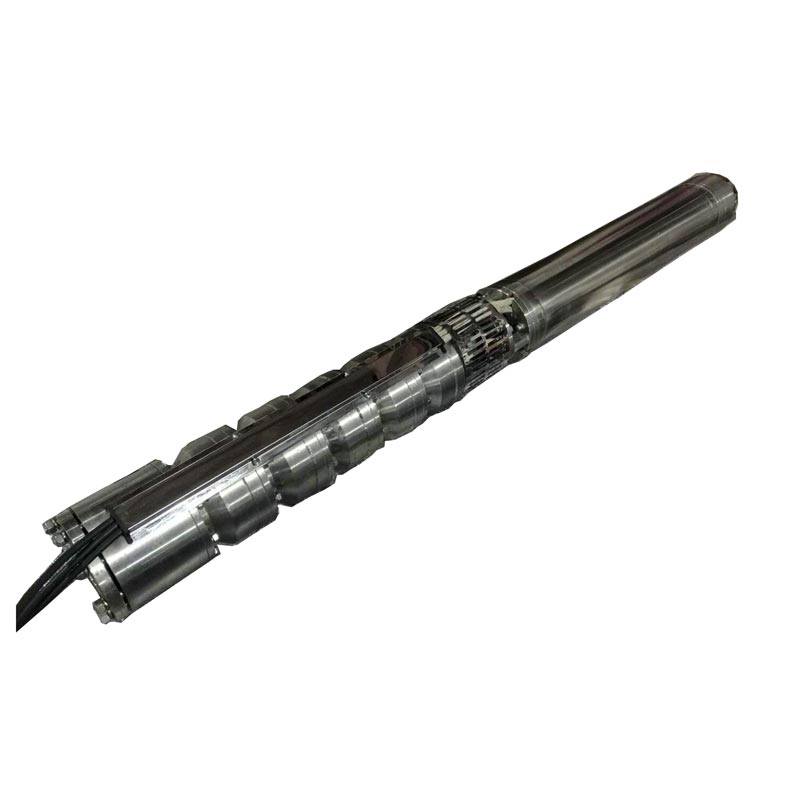
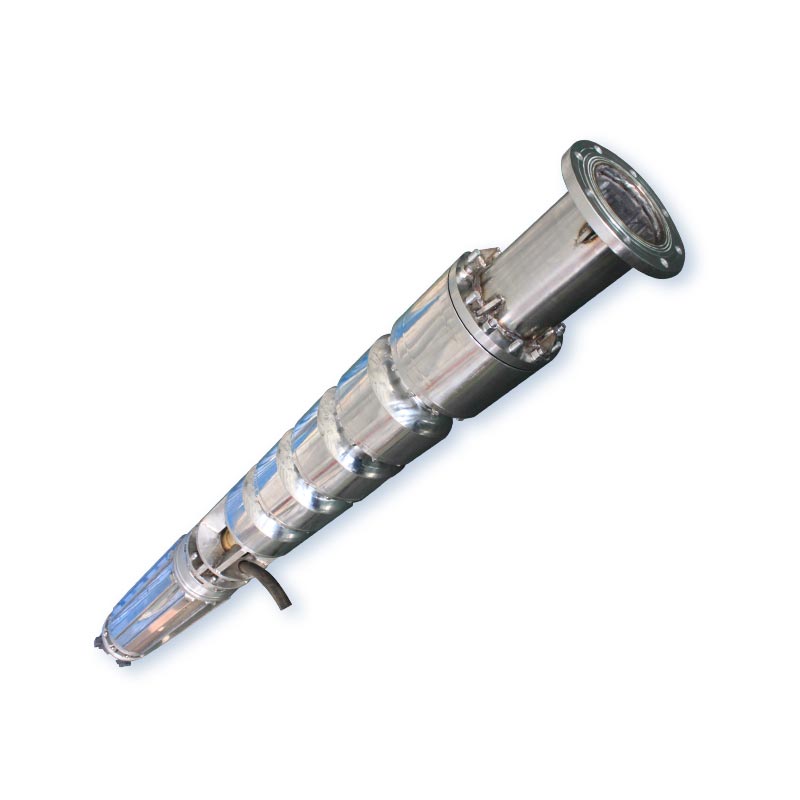
A Submersible Seawater Pump for Vessel is designed to operate while fully submerged in seawater. Instead of drawing water through a long intake arrangement to a remotely installed pump, the pump can be positioned directly at the seawater source. This configuration can simplify the intake system and help make better use of valuable onboard space.
For ship operators, the key benefits are not simply pumping capacity. Reliability, material compatibility, sealing, electrical configuration, installation conditions, maintenance accessibility, and classification requirements can all influence the overall performance of the seawater system.
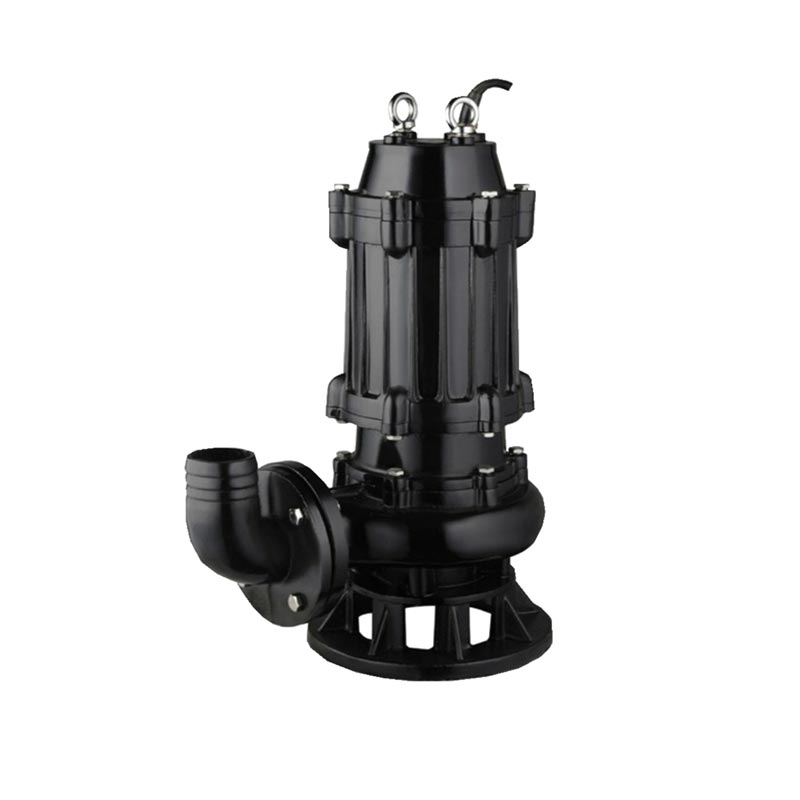
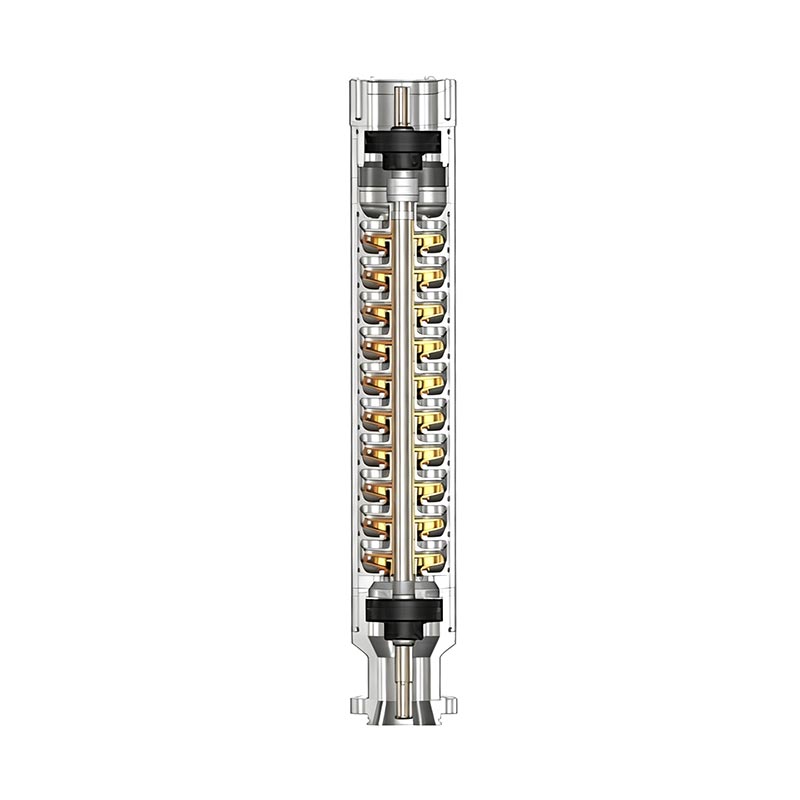
The basic operating principle is straightforward. The submersible pump and motor are installed underwater, and the impeller generates the pressure required to move seawater through the discharge pipeline. Because the pumping unit is positioned close to the water source, the intake arrangement can be shorter and the system can be adapted to vessels where installation space is restricted.
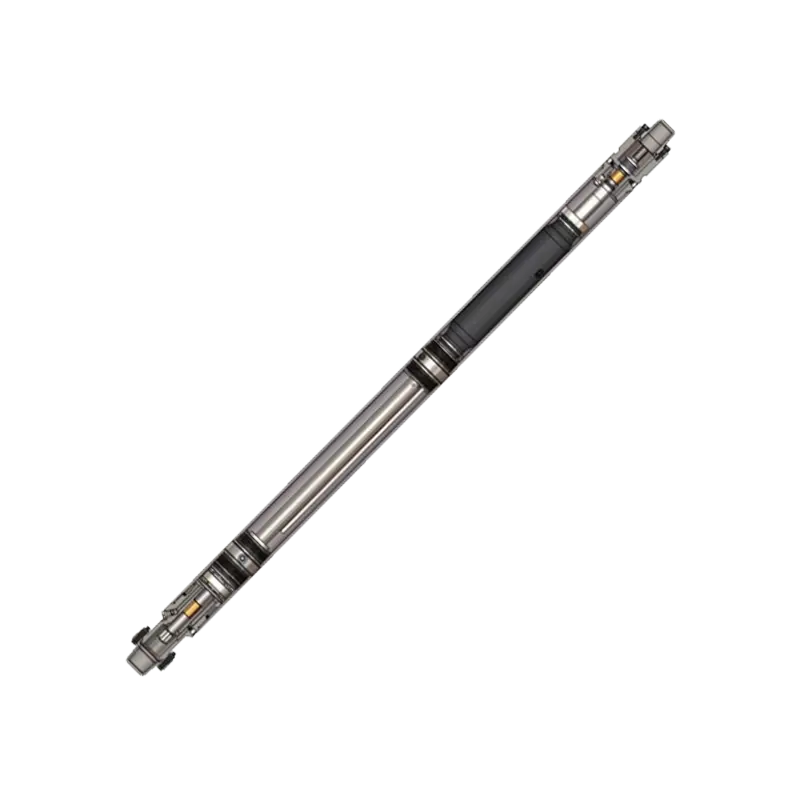
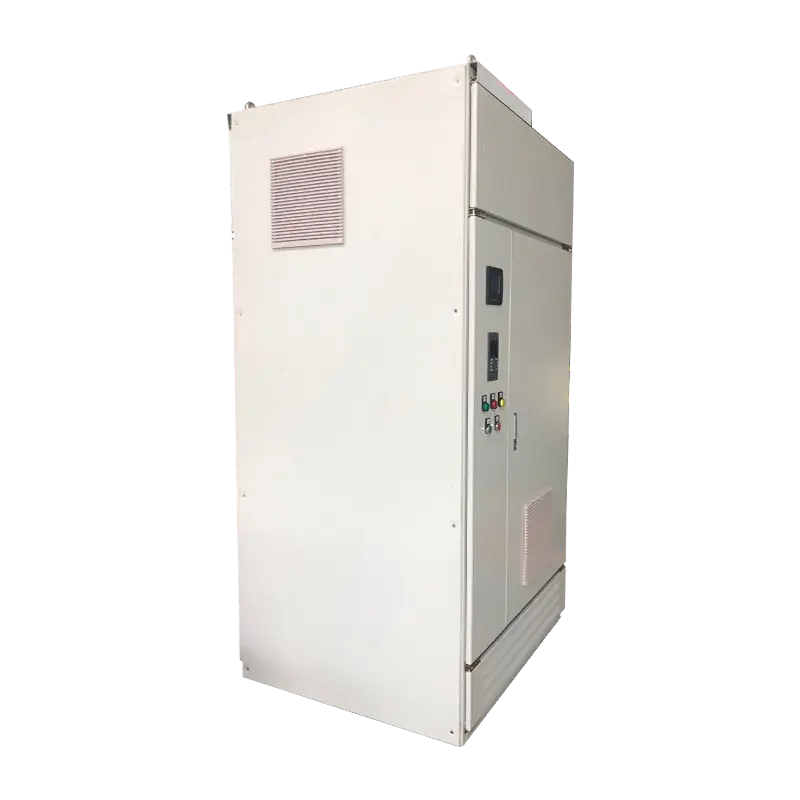
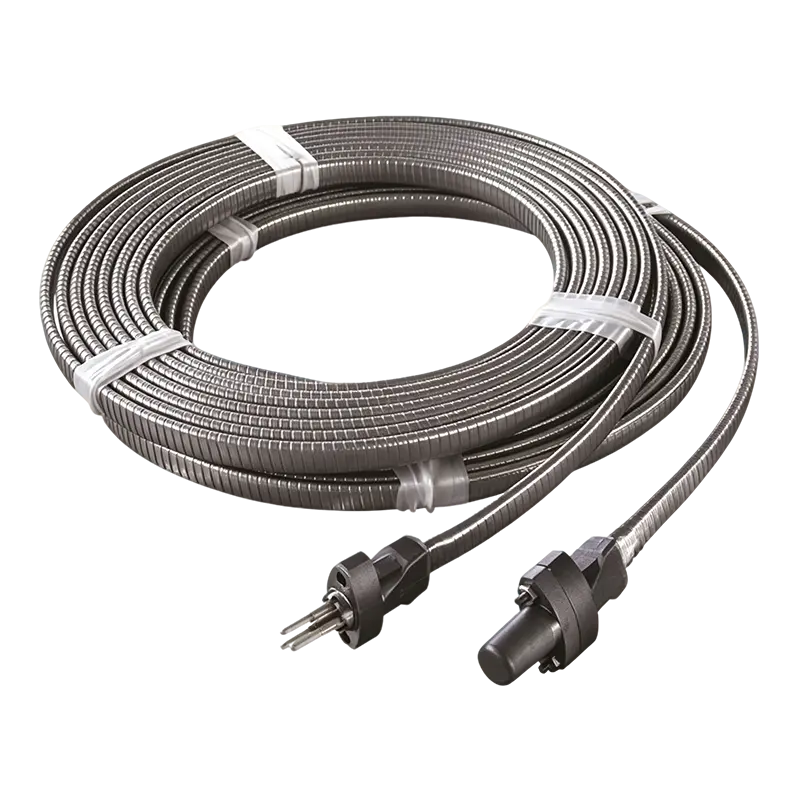
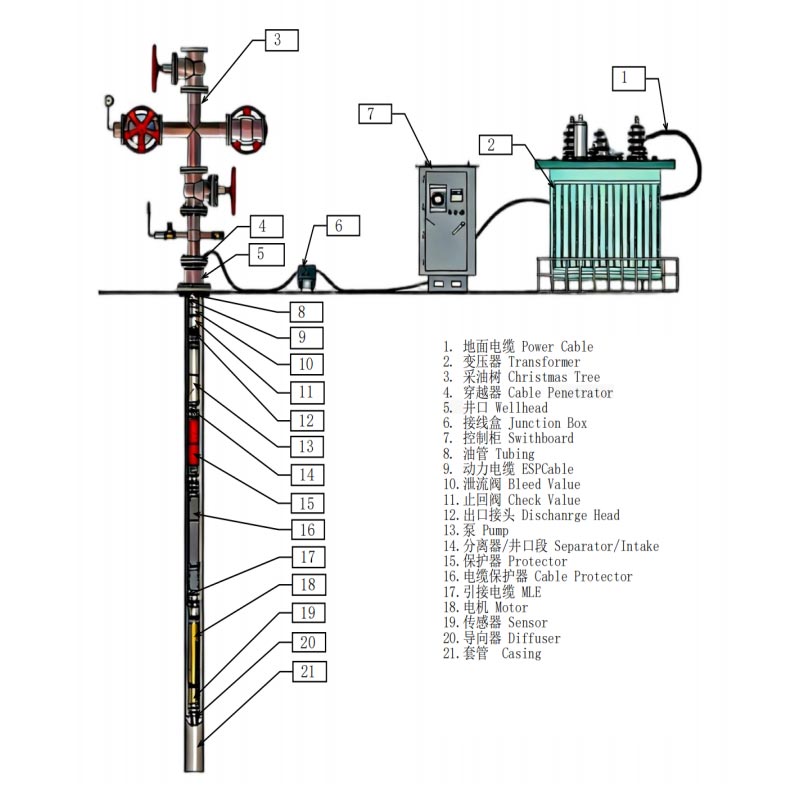
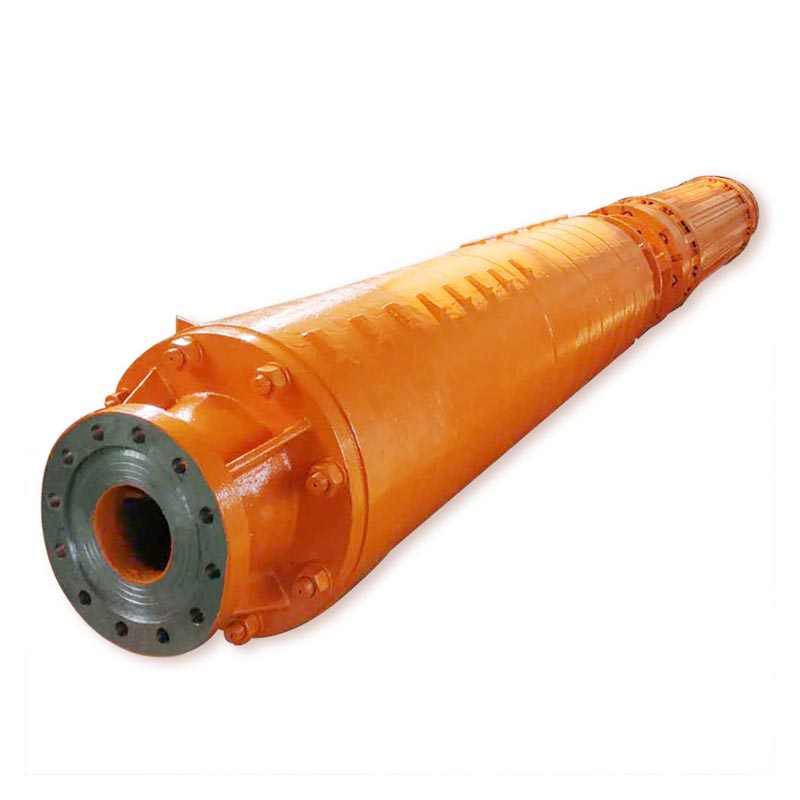
A typical marine configuration may include a corrosion-resistant pump body, impeller, shaft, motor housing, mechanical seal, discharge connection, check valve, and supporting electrical/control equipment. The specific arrangement depends on the vessel's layout and hydraulic requirements.
This design is particularly useful when a vessel requires dependable seawater circulation without dedicating excessive internal space to conventional pumping infrastructure.
One of the most important advantages is the fully submerged configuration. Because the pump operates underwater, a separate pump room may not be necessary for suitable applications. This can reduce onboard equipment footprint and provide greater flexibility when designing seawater intake systems.
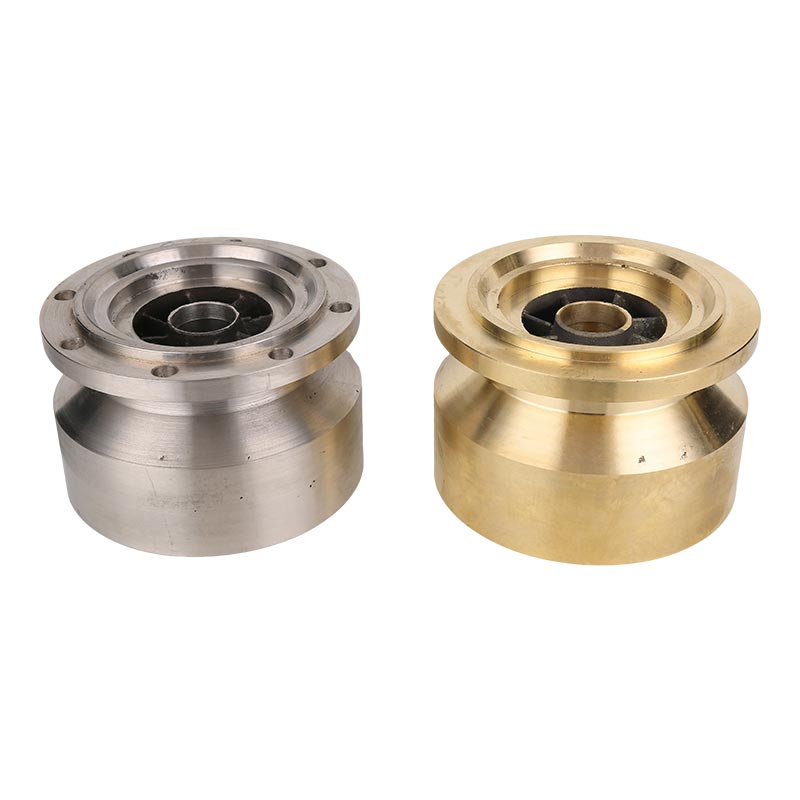
Marine pumps must withstand prolonged contact with seawater. AOTE offers material options including SS316L, 904L stainless steel, duplex stainless steel 2205/2507, and bronze. These materials are selected according to the required resistance and project conditions.
According to the product information, the vessel pump can be configured for power supplies from 380V to 10,000V AC at 50/60Hz. This broad range enables project-specific electrical matching rather than forcing every vessel to use the same configuration.
For larger marine installations, the specified capability can reach 10,000 m³/h flow and up to 1,000 m head, depending on the selected model and project configuration. Proper hydraulic selection remains essential because actual performance depends on the required operating point.
For marine projects, compliance with applicable classification requirements is an important purchasing consideration. AOTE's vessel pump is available with certification options associated with major marine classification societies, including ABS, DNV, and CCS, subject to the specific project and model.
Choosing a marine seawater pump based only on motor power can result in an unsuitable system. Buyers should evaluate the complete hydraulic and environmental operating conditions before placing an order.
| Parameter | Reference Capability / Option | Why It Matters |
|---|---|---|
| Power Supply | 380V–10,000V AC, 50/60Hz | Must match the vessel's electrical system |
| Flow Rate | Up to 10,000 m³/h | Determines seawater delivery capacity |
| Maximum Head | Up to 1,000 m | Must overcome static and pipeline resistance |
| Material Options | SS316L, 904L, Duplex 2205/2507, Bronze | Influences corrosion resistance and service life |
| Installation | Fully submerged | Supports space-saving marine layouts |
| Sealing | Mechanical seal | Helps protect internal components during operation |
| Certification | ABS, DNV, CCS and other applicable approvals | Supports marine project compliance requirements |
These figures should be treated as product-range capabilities rather than guaranteed performance for every model. The final pump selection should be based on the required flow, head, seawater characteristics, operating temperature, installation depth, electrical supply, and vessel-specific requirements.
Material selection is one of the most important factors when purchasing a seawater pump. Saltwater environments can create aggressive corrosion conditions, particularly when equipment operates continuously.
AOTE's product information lists several material choices:
The correct material should not be selected solely according to price. Seawater composition, operating duration, temperature, galvanic compatibility, mechanical loads, and maintenance requirements should all be considered during engineering.
A marine submersible pump can support multiple seawater-related functions. Typical applications include:
The same fundamental pump technology can therefore serve different vessel types, provided that the selected model is correctly engineered for the required operating conditions.
AOTE reports a vessel application in Indonesia using a Submersible Seawater Pump for Vessel. The reported configuration demonstrates how the pump can be matched to a specific electrical and hydraulic operating point rather than relying on generic specifications.
| Project Parameter | Reported Value |
|---|---|
| Application | Ship in Indonesia |
| Model | AT300QH227-116/110KW |
| Electricity | 460V / 60Hz |
| Rated Flow | 1,000 GPM |
| Rated Head | 380 ft |
| Power | 110 kW |
This example illustrates why a professional pump selection process should consider the complete operating point. Electrical voltage, frequency, flow, head, motor power, installation environment, and vessel requirements need to work together as one system.
For shipowners and procurement teams searching for a reliable Submersible Seawater Pump for Vessel supplier, the following checklist can help reduce selection risks:
A qualified manufacturer should be able to discuss pump selection from both hydraulic and marine-engineering perspectives. This is especially important for large vessels and offshore projects where equipment failure can create substantial operational consequences.
For buyers comparing a China manufacturer, local supplier, or international marine equipment provider, technical support and customization capability should be evaluated alongside initial purchase price. A pump that is correctly sized and constructed for the application can provide greater long-term value than a lower-cost unit that does not match the vessel's operating requirements.
It is primarily used to supply and circulate seawater for vessel cooling, firefighting, deck washing, and other marine utility applications.
A submersible configuration can operate directly in the seawater source, potentially reducing intake piping, installation complexity, and onboard space requirements.
Common options include SS316L, 904L stainless steel, duplex stainless steel 2205/2507, and bronze. The appropriate material depends on seawater conditions and project requirements.
Yes. Depending on the project, parameters such as flow, head, voltage, motor power, material, and installation arrangement can be customized to meet specific vessel requirements.
Marine projects may require classification approvals such as ABS, DNV, or CCS. The applicable certification depends on the vessel, project specifications, classification requirements, and selected equipment configuration.
A reliable Submersible Seawater Pump for Vessel combines hydraulic performance, corrosion resistance, underwater sealing, electrical compatibility, and marine-oriented engineering. Its fully submerged structure can be particularly valuable where onboard space is limited, while material options such as SS316L, 904L, duplex stainless steel, and bronze provide flexibility for different seawater environments.
With capabilities extending to high flow and high head applications, plus configurable electrical and material options, AOTE can provide project-oriented solutions for commercial ships, fishing vessels, offshore facilities, and other marine applications. If you are selecting a pump for a new vessel, replacement project, or marine system upgrade, contact us with your required flow, head, voltage, seawater conditions, and installation details to receive a suitable technical solution and quotation.