Aote Tianjin Pump Co., Ltd.
News

News

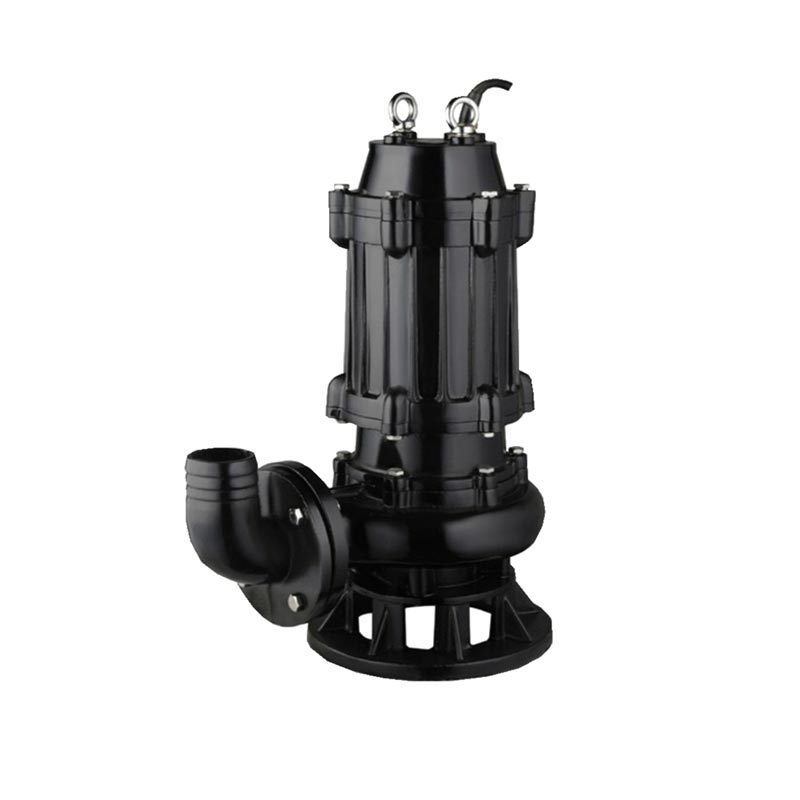
Is a Cutting Submersible Sewage Pump the Right Choice for Your Wastewater System

2026-10-23 0 Leave me a message

Abstract: This guide from AOTE explains how a Cutting Submersible Sewage Pump handles solids, where it outperforms standard sewage pumps, how to size head and flow, and what to check before specifying one for buildings or industrial wastewater duty.

Cutting Submersible Sewage Pump

Table of Contents

1. Why Cutting Pumps Solve the Blockage Problem

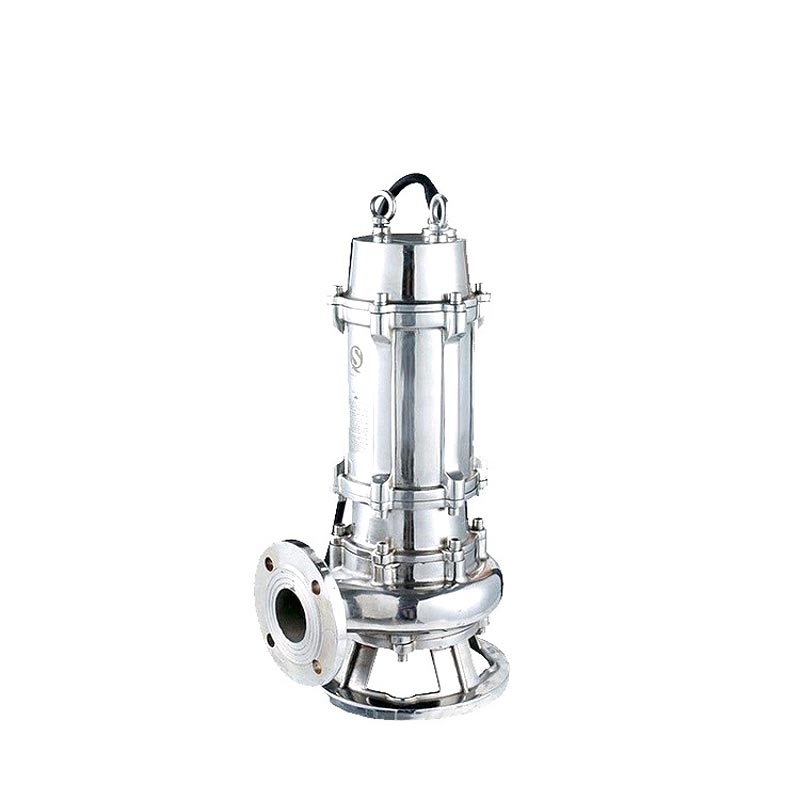
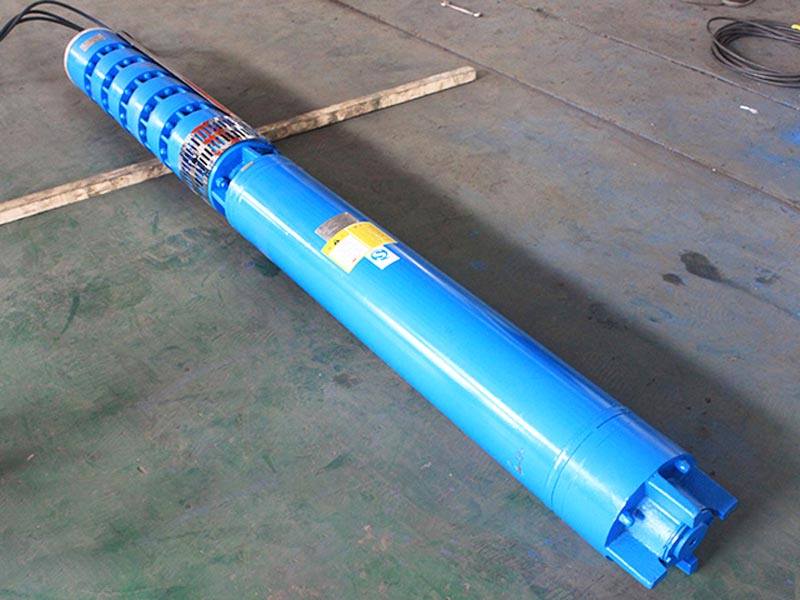
Blocked sewage pumps are one of the most common maintenance complaints in buildings and wastewater systems—and most blockages come from fibrous waste, wipes, and stringy material wrapping around the impeller. AOTE supplies the Cutting Submersible Sewage Pump category specifically to address this: a hardened cutting element shears solids before they reach the impeller, reducing clogging risk and cutting downtime.

Standard open-impeller or vortex pumps handle soft solids well, but long fibers and hygiene products can still tangle. Cutting and grinder designs add a mechanical shearing stage that turns long material into shorter pieces that pass through the discharge more reliably. For properties with high sanitary load—apartment blocks, hotels, restaurants, and commercial buildings—that difference in reliability often justifies the higher initial cost.

2. How the Cutting Mechanism Works

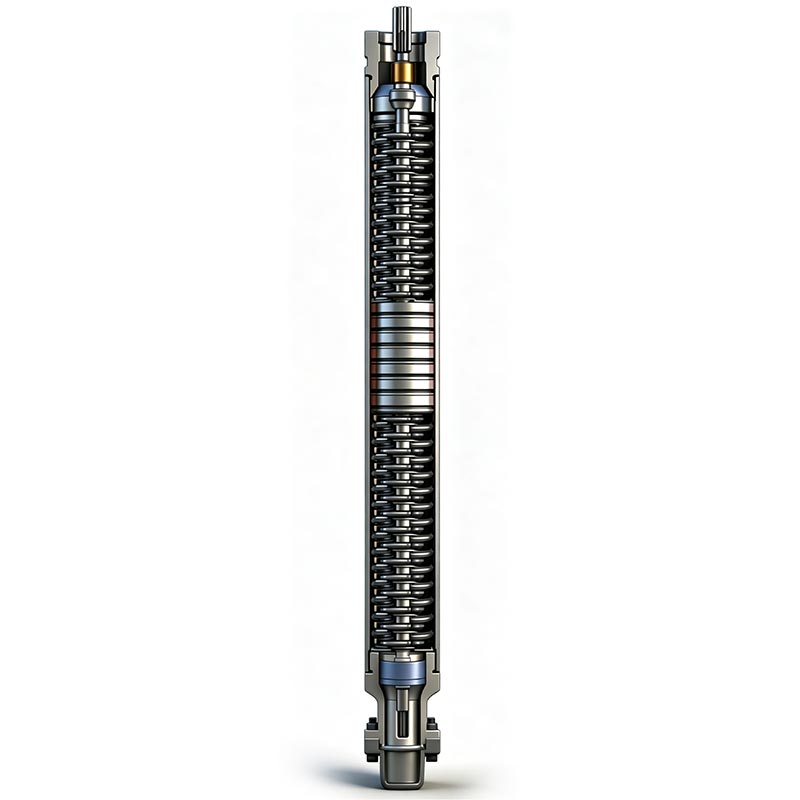
Cutting submersible pumps use one of two main approaches: a rotating cutter on the impeller that works against a stationary cutting ring, or a separate cutting wheel positioned before the impeller inlet.

Key design elements:

  • Hardened cutting edge: Heat-treated materials maintain sharpness across abrasive service.
  • Cutting clearance: Tight tolerance between moving and stationary parts is essential for shearing rather than pushing material aside.
  • Motor power reserve: Cutting requires torque, especially when starting against accumulated solids.
  • Seal protection: Double mechanical seals with an oil chamber protect the motor from wastewater intrusion.
  • Motor cooling: Most submersible pumps rely on the pumped medium for cooling, so correct installation depth matters.
  • Anti-clog impeller: Downstream of the cutter, a semi-open or channel impeller passes shredded material.

Cutting performance also depends on the material being pumped. Stringy and fibrous waste shears cleanly; hard abrasive grit accelerates wear on the cutting edges, which is why material selection and maintenance intervals should be planned together.

3. Sizing: Head, Flow, and Solids Handling

Pump selection is driven by three variables: required flow, total dynamic head, and solids characteristics.

Sizing steps:

  • Determine required flow: Base this on fixture counts, expected peak discharge, or inflow rate for the receiving sump.
  • Calculate total dynamic head: Add static lift, friction losses in pipework and fittings, and discharge pressure requirements.
  • Check the pump curve: Confirm the duty point falls within the efficient operating range, not at the extreme edge.
  • Verify solids passage: Confirm the cutting design handles expected fiber and solid sizes.
  • Account for viscosity and density: Sludge and high-solids wastewater behave differently from clean water.
  • Plan sump volume: Adequate sump capacity and correct float settings prevent short cycling, which shortens motor life.

Oversizing a pump is not a safe default. A pump running far from its duty point wastes energy, increases wear, and may create flow velocities that damage pipework.

4. Selection Criteria That Decide Long-Term Reliability

Two pumps with similar curves can differ dramatically in service life. Focus on these details:

  • Motor insulation class and temperature rise: Higher-rated insulation handles heat and load variation better.
  • Mechanical seal arrangement: Double seals with silicon carbide faces are standard for reliable sewage service.
  • Cutting element material and hardness: Confirm the actual alloy and heat treatment, not just a marketing label.
  • Bearing quality: Bearings carry radial and thrust loads; undersized bearings fail early under continuous duty.
  • Cable entry and sealing: Epoxy-sealed or mechanically sealed cable entries prevent moisture ingress.
  • Impeller material: Cast iron is common; hardened or stainless options suit abrasive or corrosive media.
  • Float and control compatibility: Confirm control options match your sump design and automation scheme.
  • Serviceability: Accessible wear parts reduce maintenance cost over the pump's life.

For OEM and project buyers, documentation quality—test reports, material certificates, and drawings—is as important as the pump itself.

5. Comparison Table: Cutting Pump vs. Vortex vs. Grinder

The table below compares the three main approaches to handling solids in sewage service.

Attribute Cutting Submersible Pump Vortex Sewage Pump Grinder Pump
Solids handling method Cutting element shears fibrous material Large free passage, no cutting Multi-blade grinding to fine slurry
Best for fibers and wipes Excellent Moderate; risk of tangling Excellent
Head capability Medium to high Medium High
Pipe size requirement Moderate Larger discharge preferred Small discharge possible
Wear on cutting parts Edges wear in abrasive media Low Moderate to high
Energy efficiency Good at duty point Good Lower due to grinding load
Typical application Commercial buildings, hotels, wastewater transfer General sewage with soft solids Pressure sewer systems, small discharge lines

Where discharge lines are adequately sized, a cutting pump often provides the best balance of solids handling and hydraulic performance.

6. Where Cutting Sewage Pumps Perform Best

These pumps suit applications with high sanitary waste load and fibrous content:

  • Apartment buildings and hotels: High occupancy means high wipe and fiber load.
  • Commercial kitchens and restaurants: Food waste and grease require reliable solids handling.
  • Basement drainage and lift stations: Removing wastewater below gravity drainage level.
  • Public facilities: Schools, hospitals, and shopping centers with continuous sanitary discharge.
  • Industrial wastewater transfer: Where process waste includes fibrous or stringy material.
  • Municipal and rural sewage systems: Pumping stations where clogging causes expensive callouts.

In pressure sewer and small-diameter discharge systems, grinder pumps may remain the better choice, so the system design should be reviewed as a whole rather than pump-by-pump.

7. Frequently Asked Questions (FAQ)

Q1: What is a cutting submersible sewage pump?
A: It is a submersible pump with a hardened cutting element that shears fibrous solids before they reach the impeller, reducing blockage risk in wastewater service.

Q2: How is it different from a grinder pump?
A: Both cut solids, but grinder pumps typically reduce material to a fine slurry for small-diameter pressure sewer lines. Cutting pumps usually combine shearing with a larger impeller and discharge for general wastewater transfer.

Q3: Can it handle wipes and sanitary products?
A: Yes, that is a primary use case. However, no pump is immune to every material, so correct sizing and proper disposal habits still matter.

Q4: What is the most common cause of failure?
A: Incorrect sizing leading to short cycling, running dry or in air, seal damage from abrasive media, and power supply problems. Correct installation and float settings prevent many of these.

Q5: How often should cutting edges be inspected?
A: Inspection intervals depend on media abrasiveness and duty cycle. Establish an initial inspection interval based on site conditions and adjust it from wear observations.

Q6: Can the pump run continuously?
A: Many submersible sewage pumps are rated for continuous duty, but the motor relies on the pumped liquid for cooling. Confirm the minimum submergence level and duty rating for your model.

Q7: What information is needed for a pump quotation?
A: Required flow, total head, voltage and frequency, phase, solids and fiber characteristics, sump dimensions, control requirements, and the application environment.

8. Get Pump Selection Support From AOTE

Choosing a cutting submersible sewage pump is a hydraulic and mechanical decision, not a catalog lookup—flow, head, solids content, and control strategy all shape the right answer. AOTE provides professional pump selection support, customized designs, competitive factory pricing, and reliable supply services for building services and industrial wastewater projects. Send us your flow, head, voltage, and application details, and our engineers will recommend a suitable model and configuration for your system. contact us today with your project requirements, and we will respond with specifications and pricing—contact us now to keep your wastewater system flowing without unexpected blockages.

Related News
Leave me a message
X
We use cookies to offer you a better browsing experience, analyze site traffic and personalize content. By using this site, you agree to our use of cookies. Privacy Policy
RejectAccept