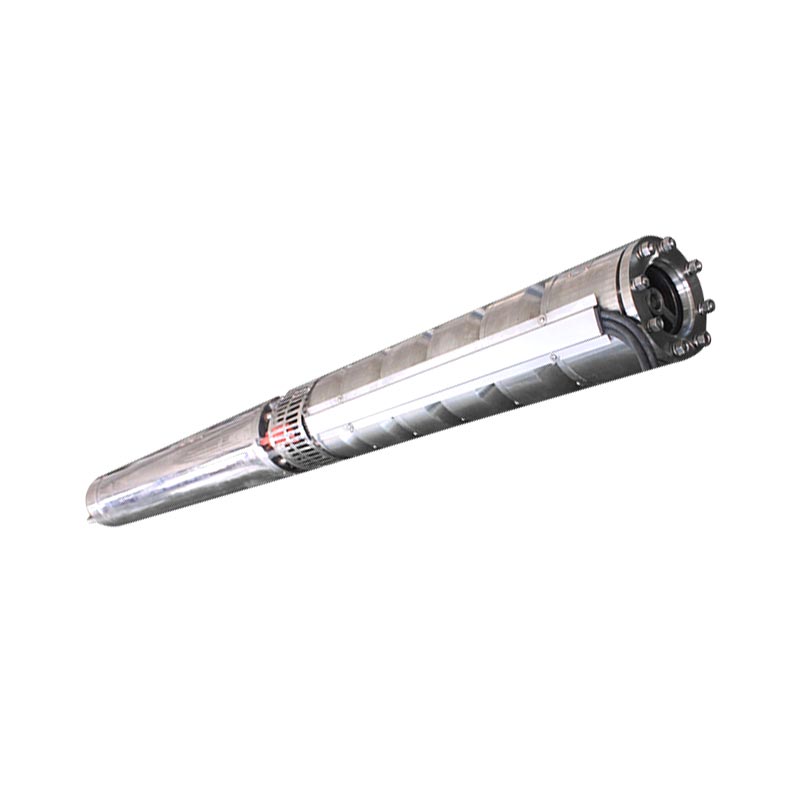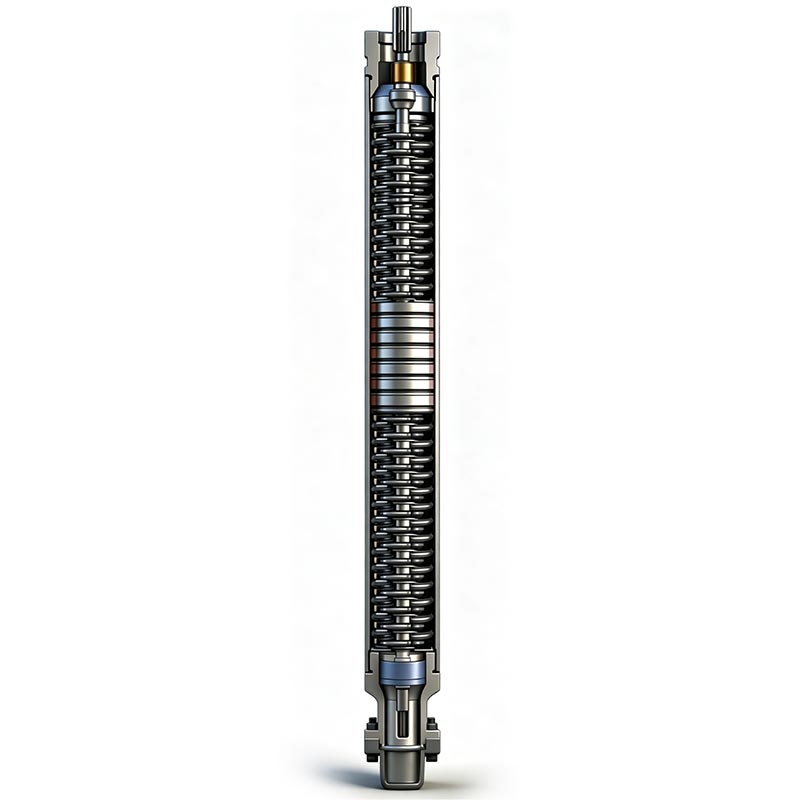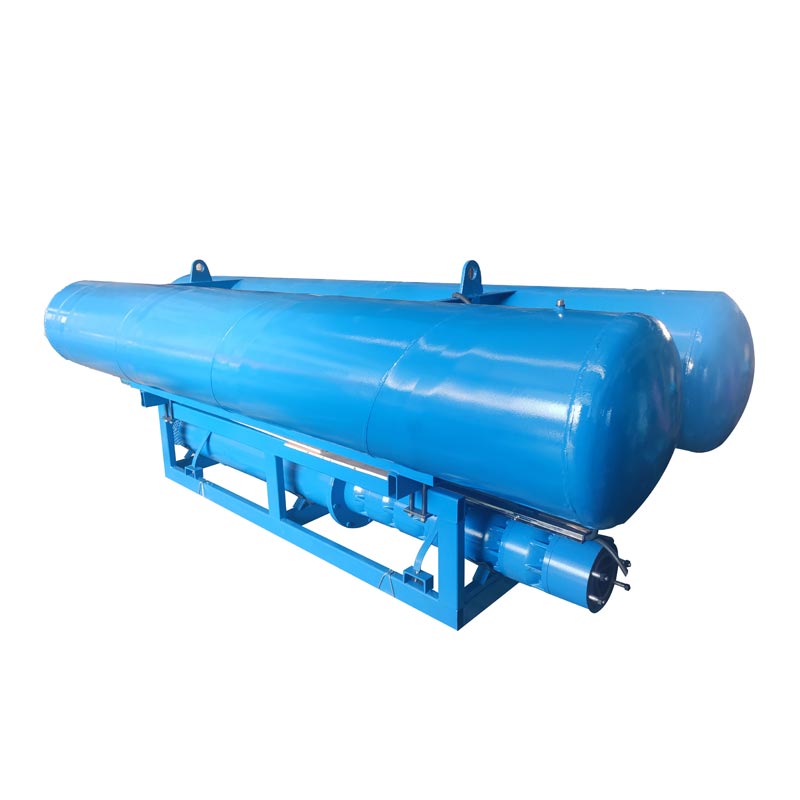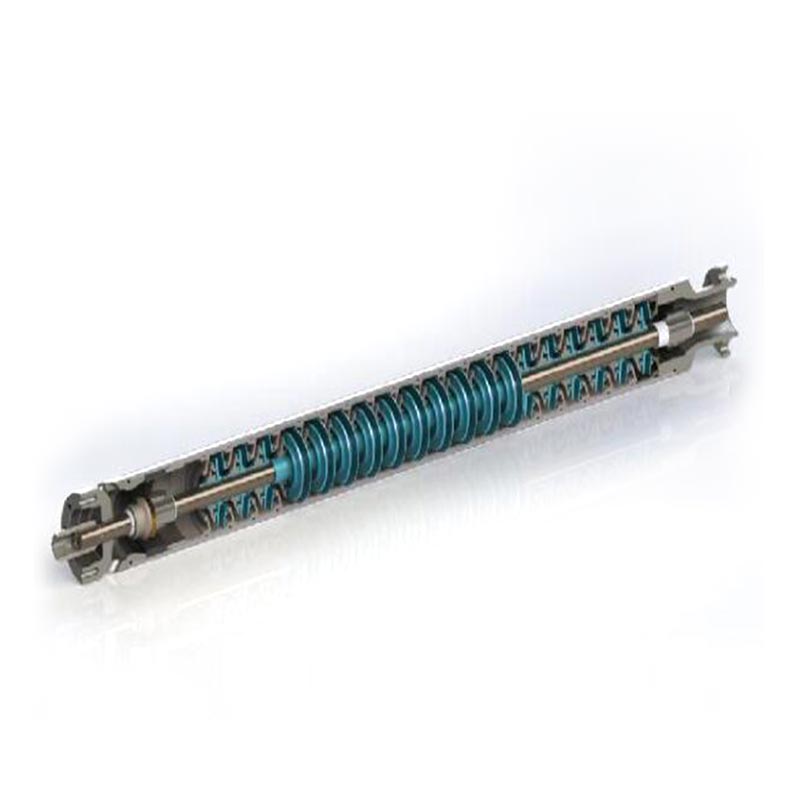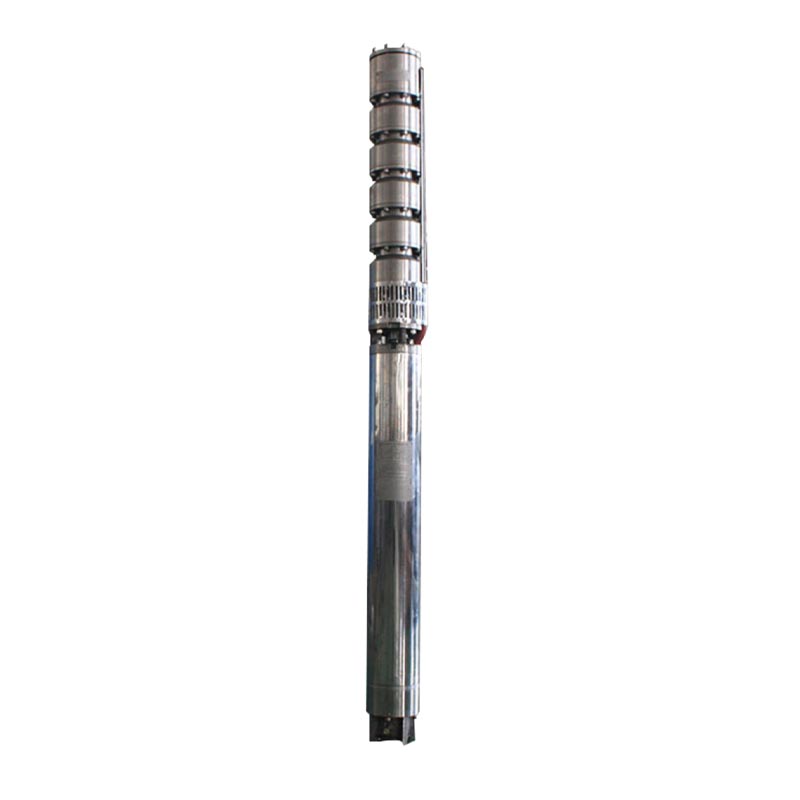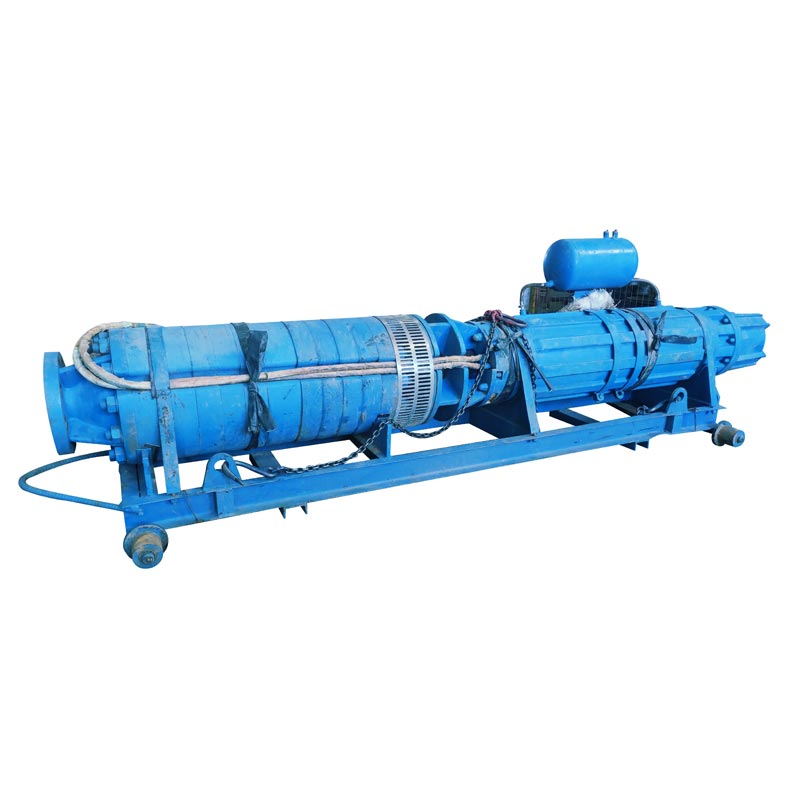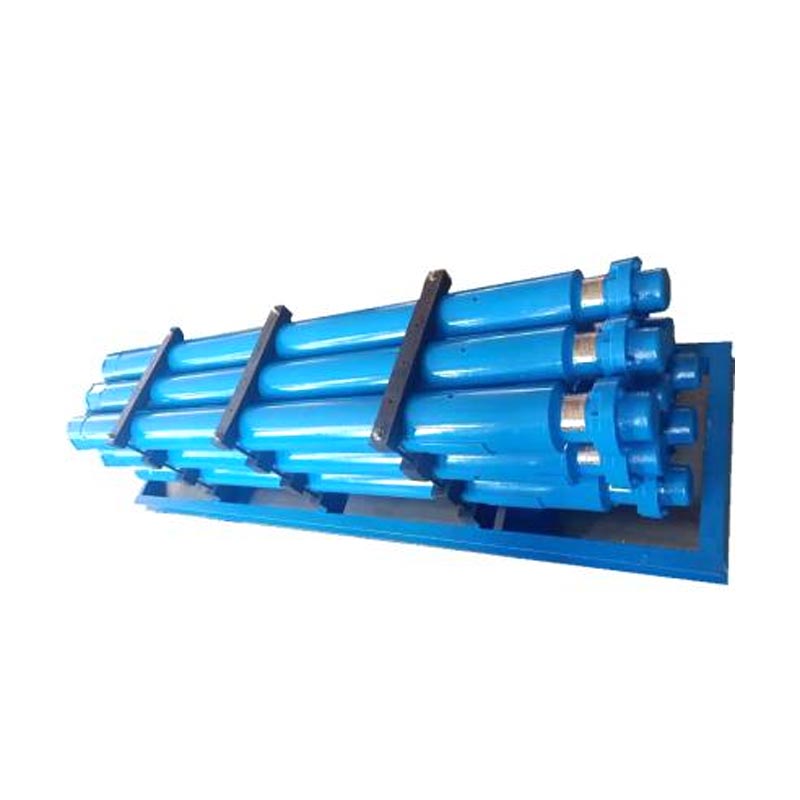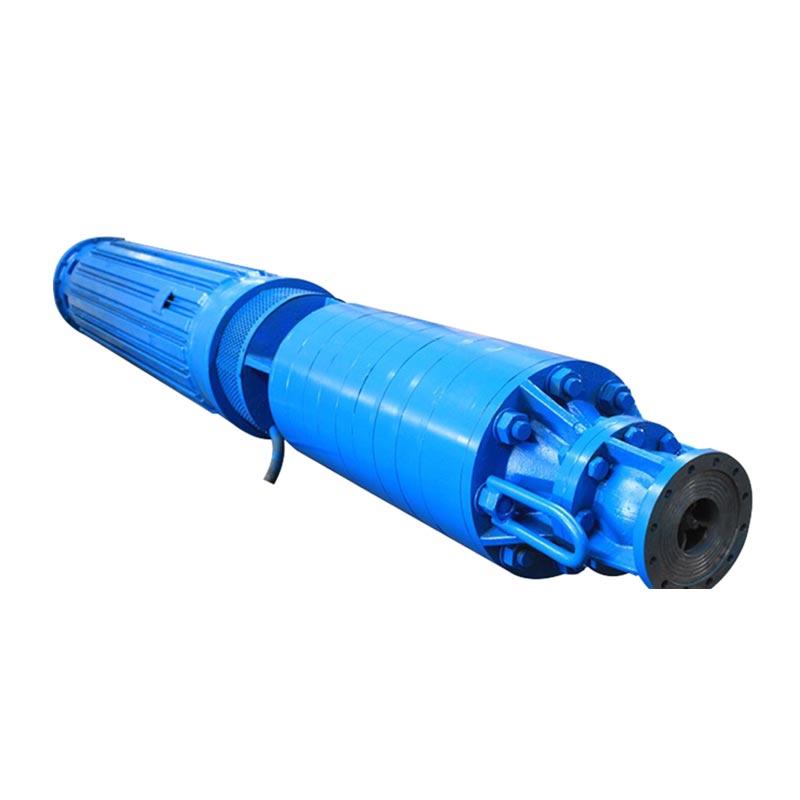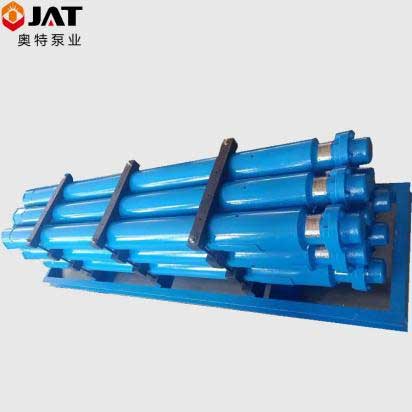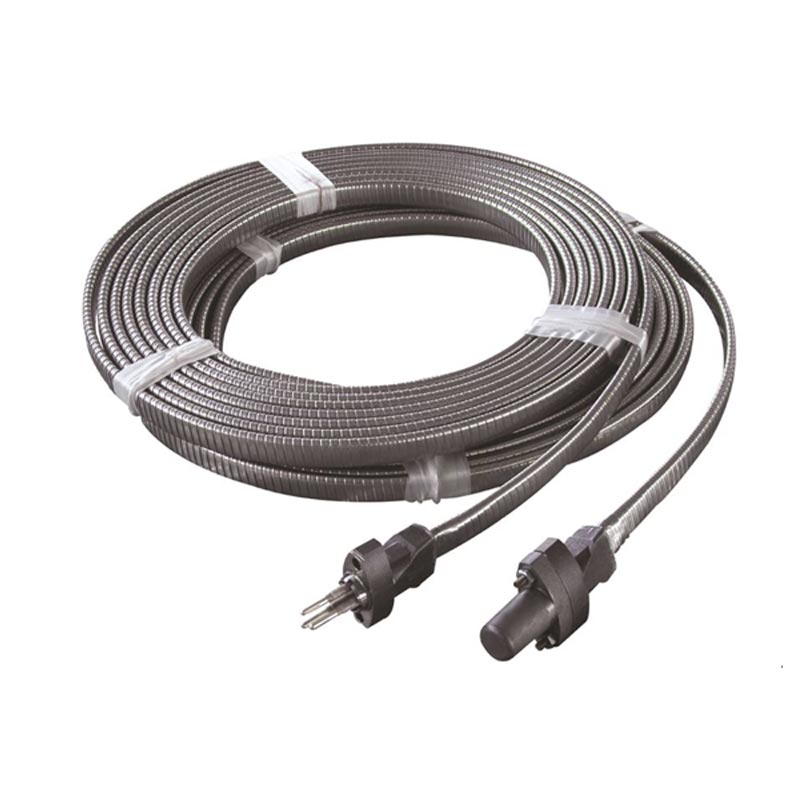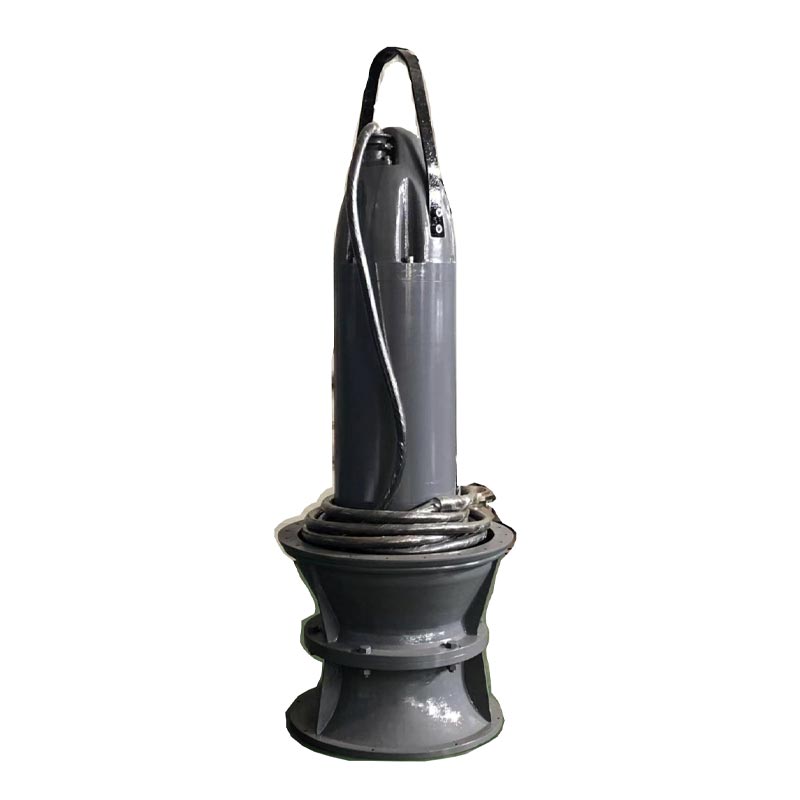

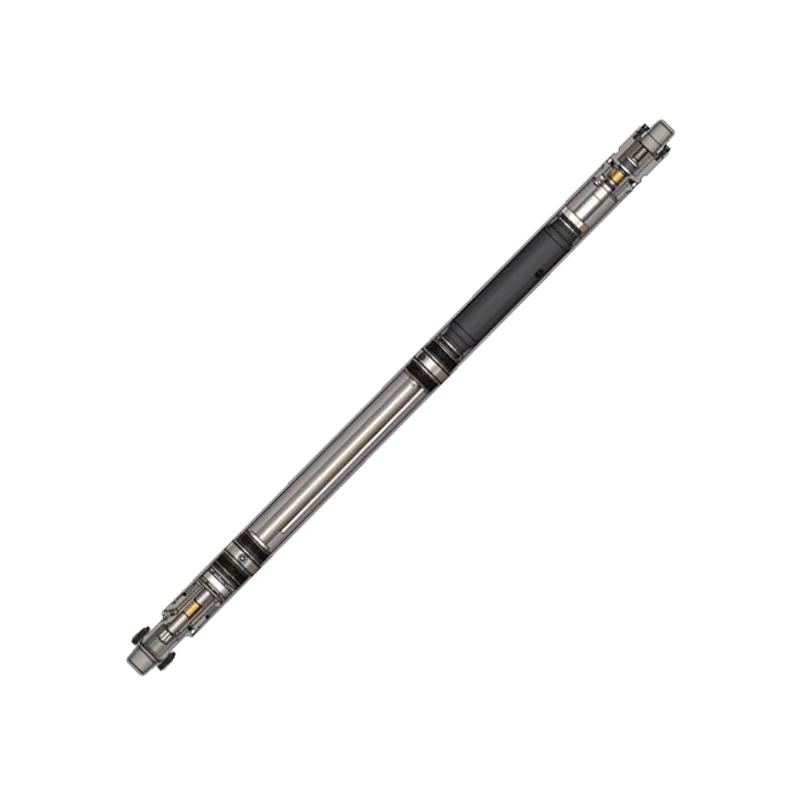

Stainless steel submersible seawater pumps are designed to handle demanding marine and industrial environments where corrosion resistance, stable flow, and dependable submerged operation are essential. Aote develops pumping solutions for seawater intake, circulation, transfer, desalination, aquaculture, offshore engineering, and other corrosive-liquid applications, with configurations and materials selected according to project conditions.
Article Summary: Choosing the right seawater pump involves more than checking flow and head. Material compatibility, motor protection, installation method, operating temperature, electrical requirements, testing, and long-term maintenance all affect system reliability. This guide explains how stainless steel submersible seawater pumps work, where they are used, what specifications matter, and how to select a suitable solution for demanding marine applications.
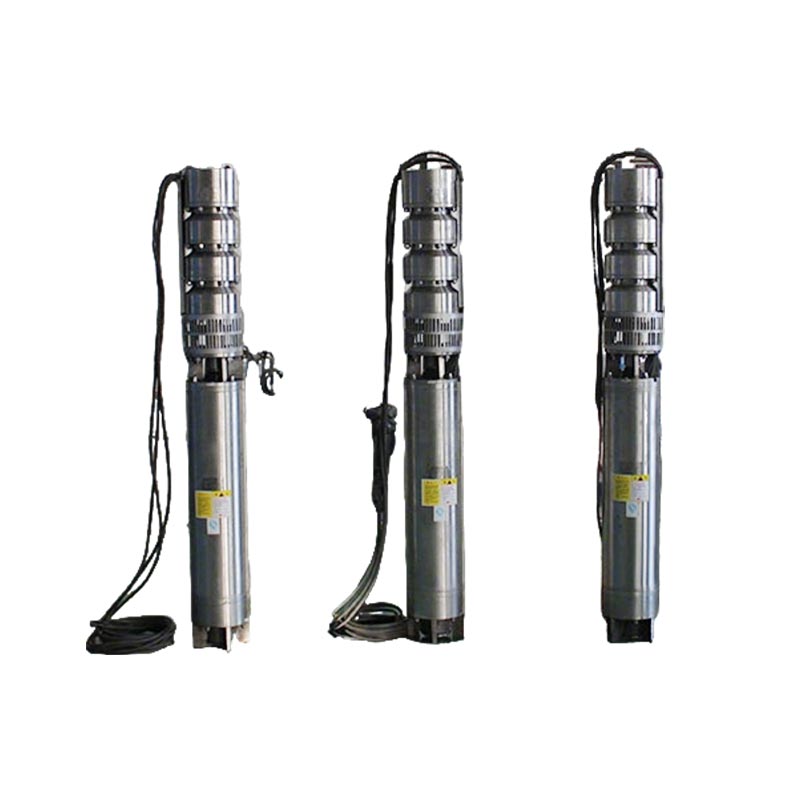
Table of Contents
- What Is a Stainless Steel Submersible Seawater Pump?
- Why Does Stainless Steel Matter in Seawater Pumping?
- What Specifications Should Buyers Evaluate?
- Where Are These Pumps Commonly Used?
- How Should You Select the Right Pump?
- What Quality Controls Improve Pump Reliability?
- How Can Operators Improve Service Life?
- Frequently Asked Questions
What Is a Stainless Steel Submersible Seawater Pump?
A stainless steel submersible seawater pump is an electrically driven pumping unit designed to operate while submerged in seawater or other corrosive liquids. Instead of relying on a conventional surface-mounted arrangement, the pump can be positioned directly in a water tank, intake structure, deep well, marine installation, or other suitable water source.
This configuration can simplify seawater intake and reduce the need for complicated suction piping. Depending on project conditions, vertical, horizontal, or customized installation arrangements can be considered. Aote's product information indicates that its pump is intended for seawater intake, circulation, and transfer, while also supporting applications involving brine and other corrosive liquids.
The product specifications listed by Aote include flow rates of approximately 20–500 m³/h, head up to 300 meters, motor power up to 700 kW, three-phase operation at 380 V or above, and an IP68 protection class. Actual pump selection should always be based on the complete operating point rather than a single specification.
Why Does Stainless Steel Matter in Seawater Pumping?
Seawater contains dissolved salts and chlorides that can accelerate corrosion in unsuitable metals. Because a pump may remain continuously exposed to seawater, material selection becomes a core engineering consideration rather than simply a cosmetic feature.
Stainless steel components can provide a practical balance between corrosion resistance, mechanical strength, and serviceability. For more demanding environments, material selection may be upgraded according to salinity, temperature, chemical composition, operating hours, and project requirements. Aote also lists stainless steel, bronze, and cast iron among available material options, while other configurations can include higher-grade stainless steel and duplex materials.
- Corrosion resistance: Helps components withstand continuous exposure to saltwater.
- Mechanical durability: Supports operation under demanding pumping conditions.
- Material flexibility: Different alloys can be considered for different seawater conditions.
- Long-term operation: Appropriate material selection can reduce corrosion-related maintenance risks.
- Application versatility: The same basic pumping concept can serve marine, desalination, aquaculture, and industrial systems.
What Specifications Should Buyers Evaluate?
For engineering procurement, comparing pumps only by motor power can lead to an unsuitable selection. Flow, head, liquid conditions, installation depth, electrical supply, and protection requirements should be evaluated together.
| Parameter | Reference Specification | Why It Matters |
|---|---|---|
| Flow Rate | 20–500 m³/h | Determines the volume of seawater transferred per hour. |
| Head | Up to 300 m | Defines the pump's ability to overcome elevation and system resistance. |
| Motor Power | Up to 700 kW | Supports different flow and head combinations. |
| Voltage | ≥380 V, 3-phase | Must match the site's electrical infrastructure. |
| Liquid Temperature | 0°C to +40°C standard | Temperature affects material selection, motor performance, and sealing. |
| Protection Class | IP68 | Important for equipment designed for submerged operation. |
| Material | Stainless steel / bronze / cast iron | Should be selected according to corrosion and mechanical conditions. |
For special applications, temperature and material requirements may require customization. Aote's published product information also describes high-temperature versions capable of handling liquid temperatures up to 100°C under suitable configurations.
Where Are These Pumps Commonly Used?
The ability to operate directly in seawater makes submersible pumping technology useful across multiple industries. The correct configuration depends on the required flow, pressure, water quality, installation environment, and duty cycle.
Offshore and Marine Engineering
Offshore platforms and ships may require reliable seawater intake for cooling, utility water, fire protection, or other marine systems. A submerged installation can provide a direct pumping route from the water source.
Desalination and Water Treatment
Desalination facilities require dependable seawater intake and pretreatment systems before downstream processes such as reverse osmosis. Pump performance can directly affect the stability of the water-treatment process.
Aquaculture
Marine aquaculture facilities need continuous water circulation to maintain suitable environmental conditions. Pumps can support seawater circulation, water exchange, and other high-volume transfer duties.
Industrial Corrosive-Liquid Transfer
Beyond seawater, appropriately configured pumps can be used for brine, saltwater, and selected corrosive industrial liquids. Material compatibility should be verified before applying the pump to a chemical or process-fluid application.
How Should You Select the Right Pump?
A reliable selection process starts with the actual operating conditions. Before requesting a quotation, buyers should prepare the main project parameters so the manufacturer can match the pump structure and performance to the system.
- Determine the required flow: Establish the normal, minimum, and maximum flow demand.
- Calculate the required head: Include static elevation, pipeline friction, valves, fittings, and other system losses.
- Analyze the liquid: Confirm salinity, temperature, pH, suspended solids, and any chemical components.
- Confirm installation conditions: Identify whether the pump will operate vertically, horizontally, in a tank, deep well, intake structure, or floating system.
- Check electrical requirements: Confirm voltage, phase, frequency, starting method, and available electrical capacity.
- Select compatible materials: Stainless steel grade, bronze, duplex steel, or other materials should be chosen according to actual exposure conditions.
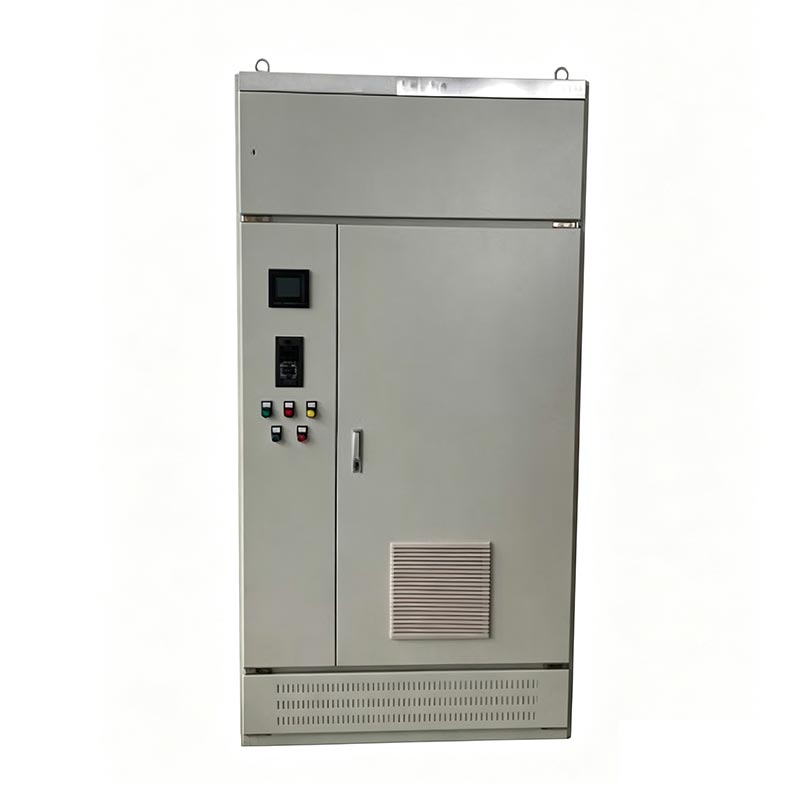
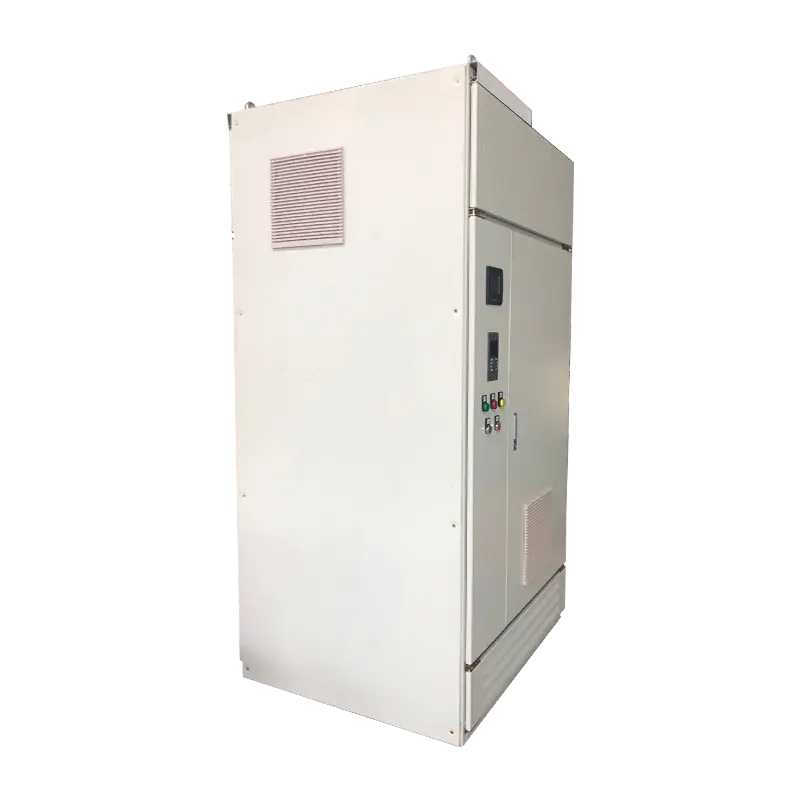
- Consider protection and control: Motor protection, overload protection, phase-loss protection, grounding, and control equipment should be incorporated into the system.
For larger projects, it is also useful to evaluate the complete submersible seawater pumping solution rather than purchasing the pump as an isolated component.
What Quality Controls Improve Pump Reliability?
Marine pumping equipment can be difficult and expensive to replace, particularly when installed at offshore or remote locations. Factory testing therefore plays an important role in reducing installation and commissioning risks.
According to Aote's published manufacturing information, incoming stainless steel materials can be checked for chemical composition using a spectral analyzer. The manufacturing process also includes vacuum impregnation treatment of motor windings to help maintain insulation performance in humid and hot environments.
After assembly, Aote describes full performance testing on a test bench, including zero-flow, rated-point, and overload testing. The pump casing is also subjected to a hydraulic pressure test at 1.5 times the rated pressure. These controls provide useful evidence that the equipment has undergone systematic factory inspection before shipment.
- Raw material identification and traceability
- Motor winding insulation treatment
- Complete pump performance testing
- Pressure testing of the pump casing
- Inspection before delivery
- Project-specific configuration and engineering support
How Can Operators Improve Service Life?
Correct installation and operation are essential for maintaining submerged pump performance. Even a corrosion-resistant pump can experience premature problems if electrical protection, grounding, cooling, lifting arrangements, or operating procedures are neglected.
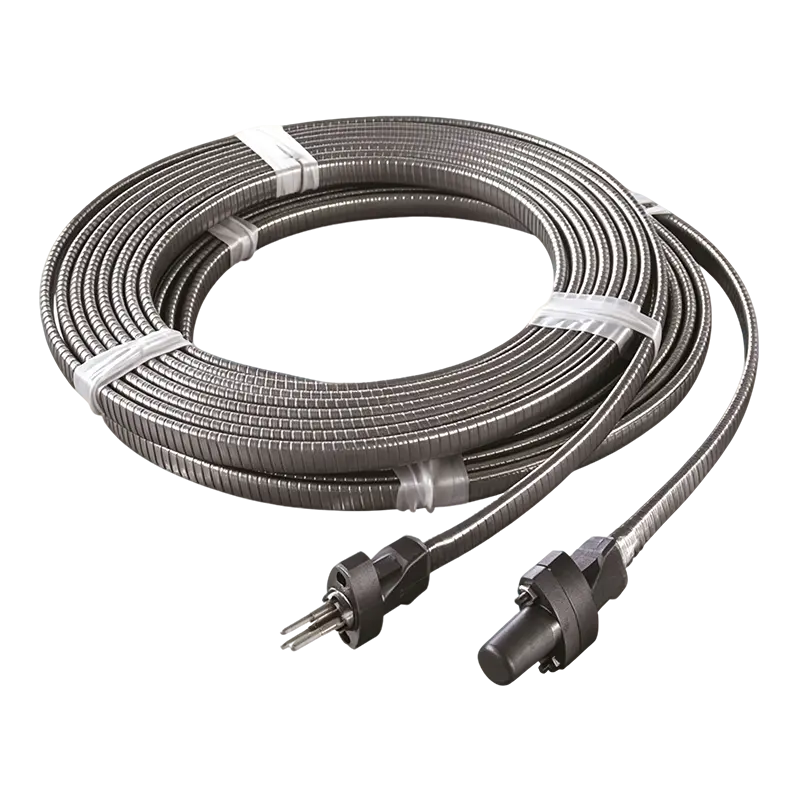
Operators should follow the manufacturer's installation manual and pay particular attention to electrical protection. Aote recommends using a starter box with power-failure, phase-loss, and overload protection functions. Its published instructions also specify a minimum five-minute interval between starting and stopping the pump and require the power supply to be disconnected before maintenance.
Routine maintenance should include checking cables, seals, fasteners, lifting components, electrical protection devices, and pump performance. Unexpected changes in flow, vibration, current, temperature, or noise can indicate that inspection is required.
Frequently Asked Questions
1. Can a stainless steel submersible seawater pump handle liquids other than seawater?
Yes. Properly configured models can be used for brine, saltwater, and selected corrosive liquids. However, material compatibility must be confirmed according to the liquid's chemical composition, temperature, concentration, and operating conditions.
2. What flow rate can the pump provide?
Aote lists a reference flow range of approximately 20–500 m³/h for this product. The actual operating flow depends on the selected pump model, head, system resistance, motor power, and project requirements.
3. Can the pump be used in a desalination plant?
Yes. Seawater intake and pretreatment are among its typical applications. The appropriate pump materials and configuration should be selected according to the desalination system's seawater conditions.
4. Is the pump suitable for offshore applications?
It is designed for seawater intake, circulation, and transfer in marine and offshore environments. For a specific offshore project, buyers should confirm flow, head, installation depth, material, electrical requirements, and applicable marine certification requirements.
5. What protection class is available?
The published specification identifies an IP68 protection class, which is appropriate for equipment designed for submerged operating conditions. The complete installation should still follow the manufacturer's electrical and safety requirements.
6. Can the installation configuration be customized?
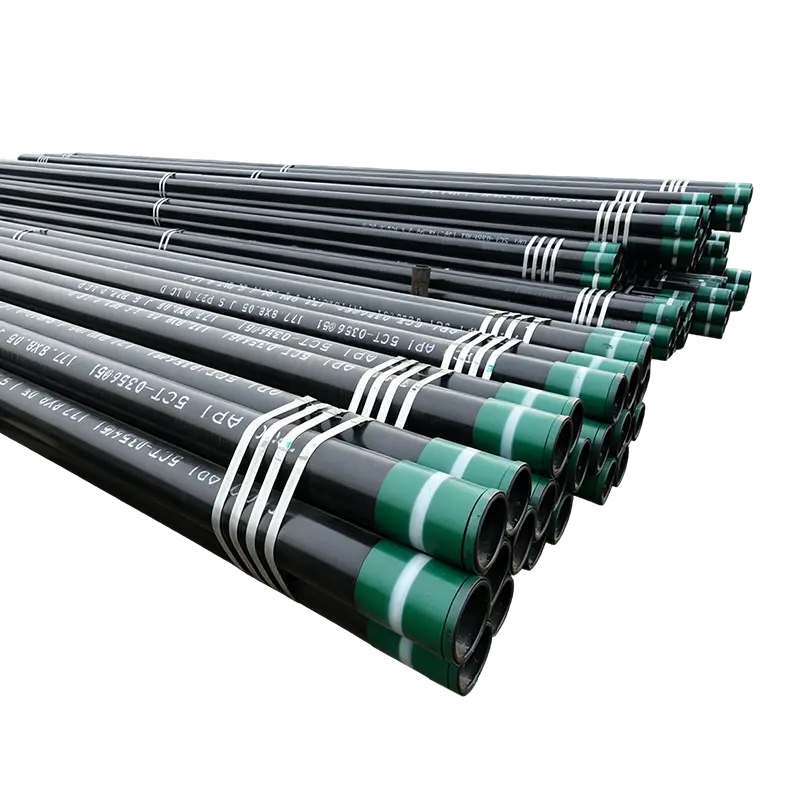
Project-specific configurations can be discussed according to the installation environment. Depending on the application, vertical and horizontal arrangements and supporting equipment such as control boxes, water pipes, and transformers may be considered.
Conclusion
A dependable seawater pumping system requires more than a high-power motor. Corrosion-resistant materials, appropriate flow and head selection, reliable motor protection, suitable installation, factory testing, and project-specific engineering all contribute to long-term performance. If you are planning a marine, desalination, aquaculture, offshore, or industrial seawater transfer project, review the operating conditions carefully and contact us with your required flow, head, liquid conditions, installation method, and power supply so Aote can help develop a suitable pumping solution.