Article Summary:
A submersible geothermal pump is a critical component for extracting underground hot water efficiently and reliably. As geothermal projects expand in residential heating, commercial energy systems, and industrial applications, choosing the right pumping solution has become increasingly important. This article explains how a submersible geothermal pump works, why it is preferred for deep geothermal wells, what challenges customers face during operation, and how Aote provides dependable pumping solutions designed for demanding geothermal environments.
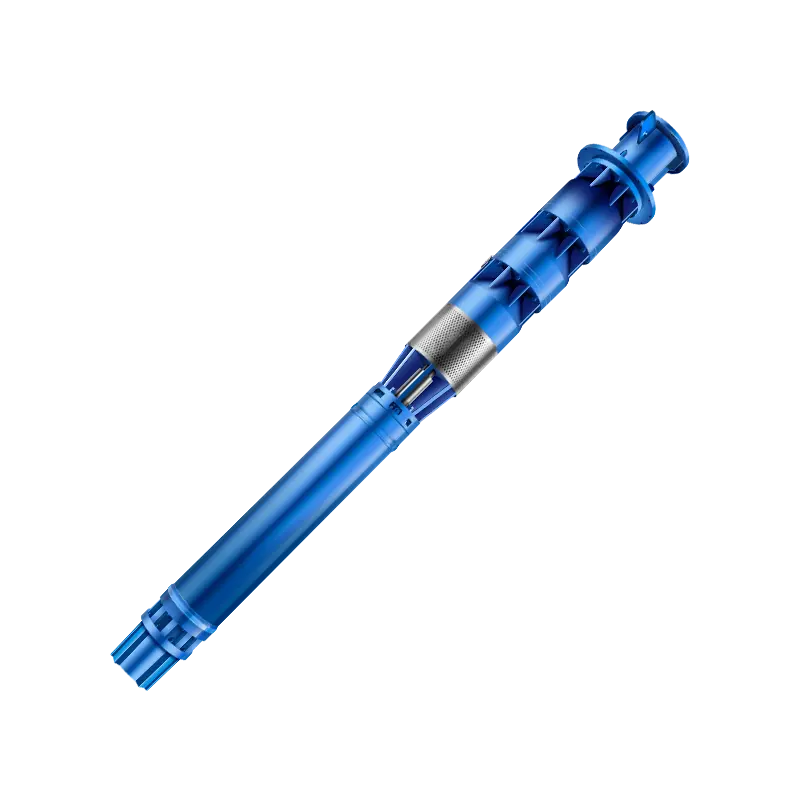
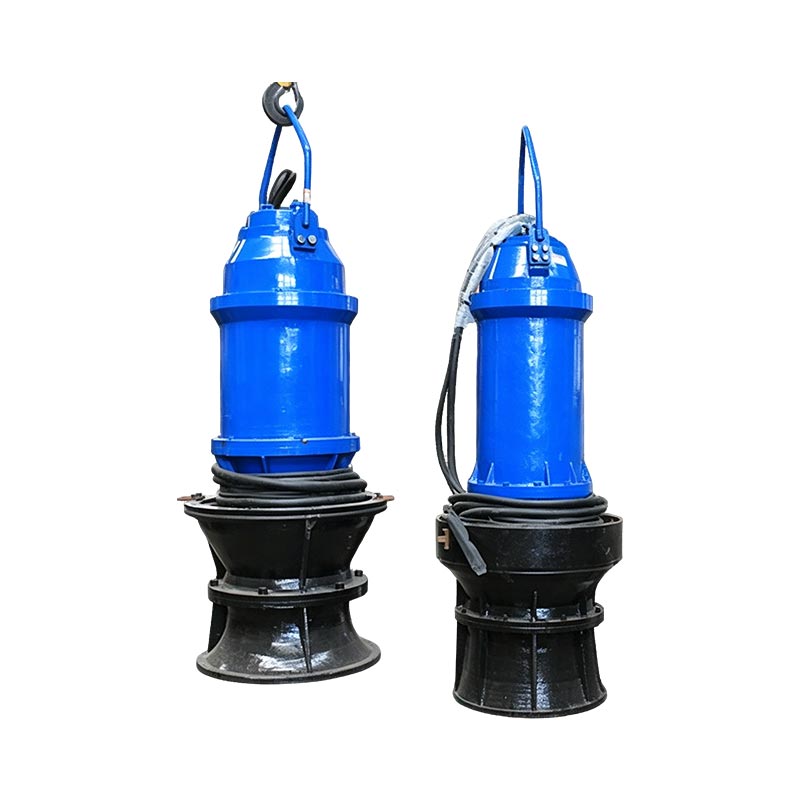
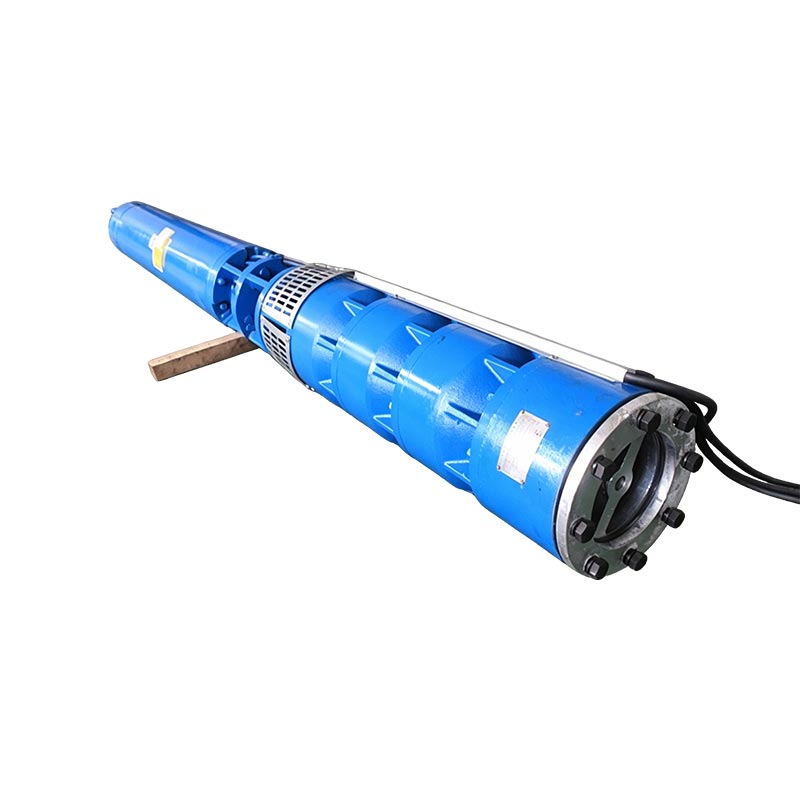
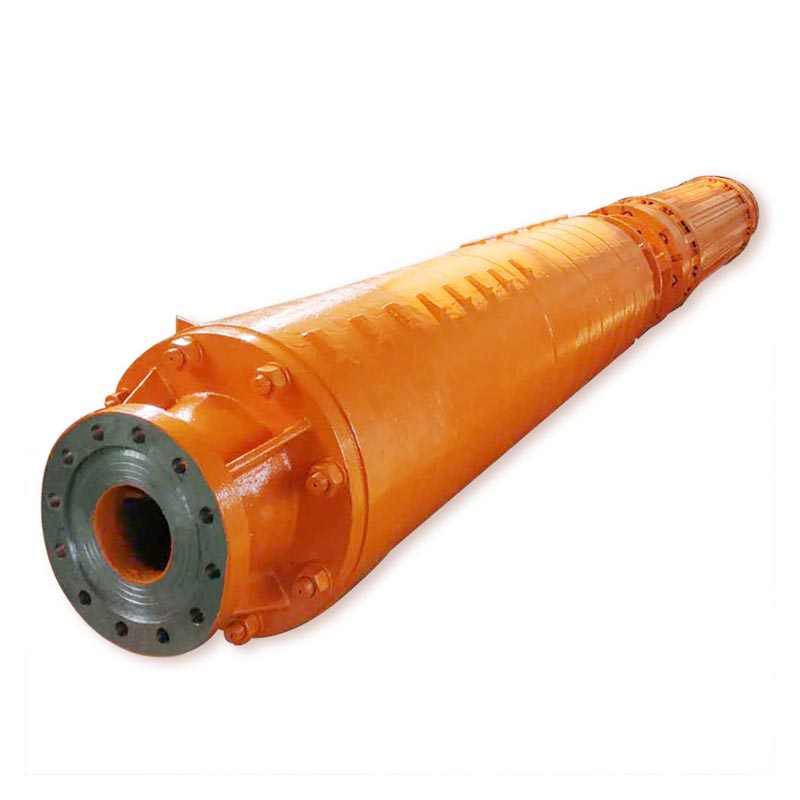
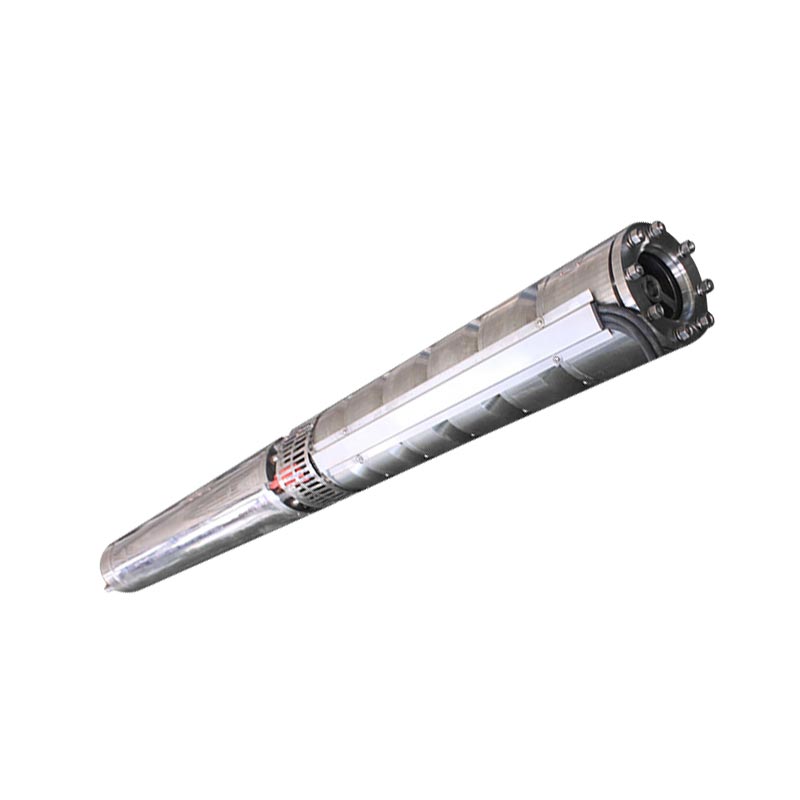
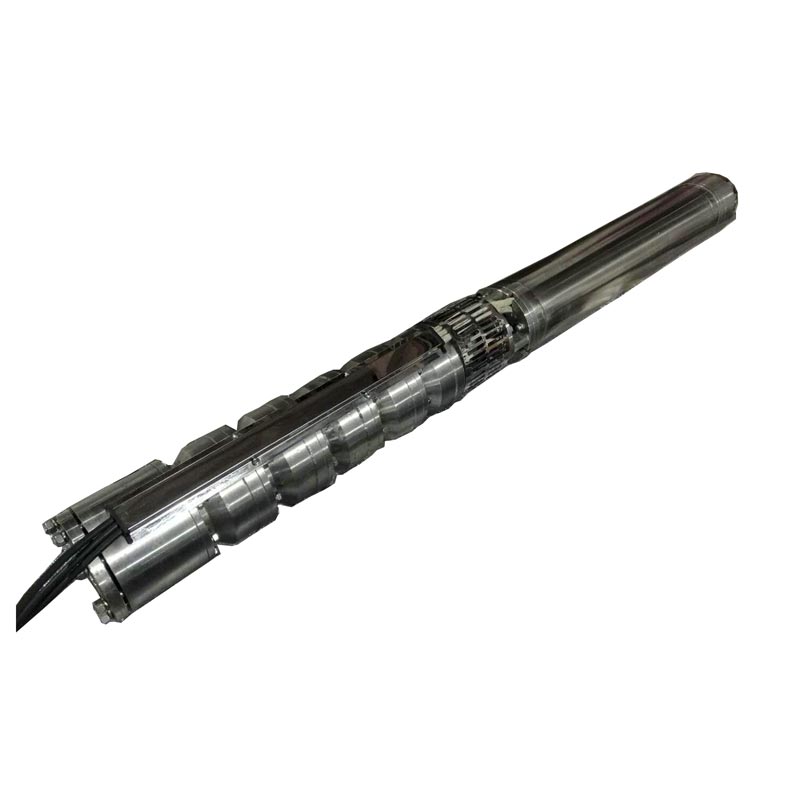
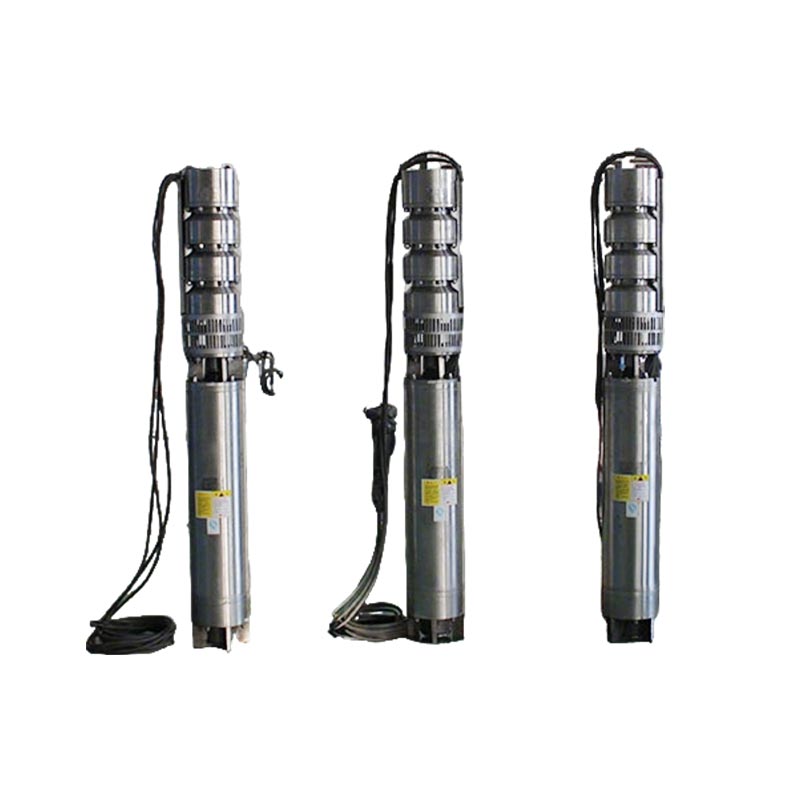
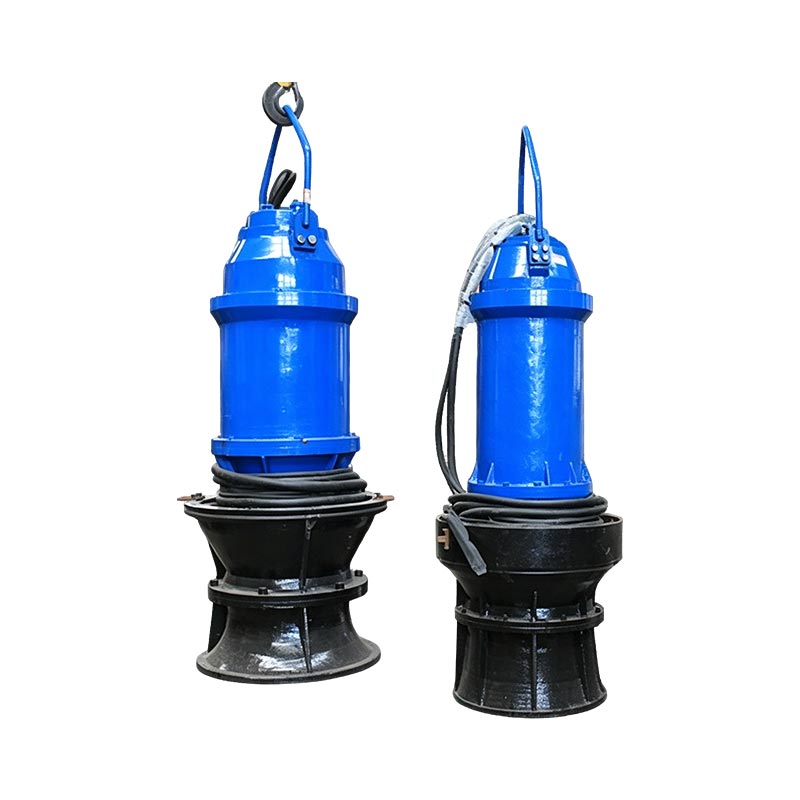
A submersible geothermal pump is a specialized pumping system designed to operate underwater inside geothermal wells. Unlike conventional surface pumps installed above ground, this type of pump is placed directly into the well, allowing it to push geothermal water from underground reservoirs to the surface with higher efficiency and reduced energy loss.
Geothermal wells often involve challenging conditions, including high temperatures, mineral-rich water, deep installation environments, and continuous operation requirements. A reliable pump must withstand these conditions while maintaining stable flow performance.
Aote develops submersible pump solutions for geothermal applications where durability, high-temperature resistance, and long operational life are essential. The company's experience in deep well pumping technology helps customers achieve stable geothermal water extraction for different projects.
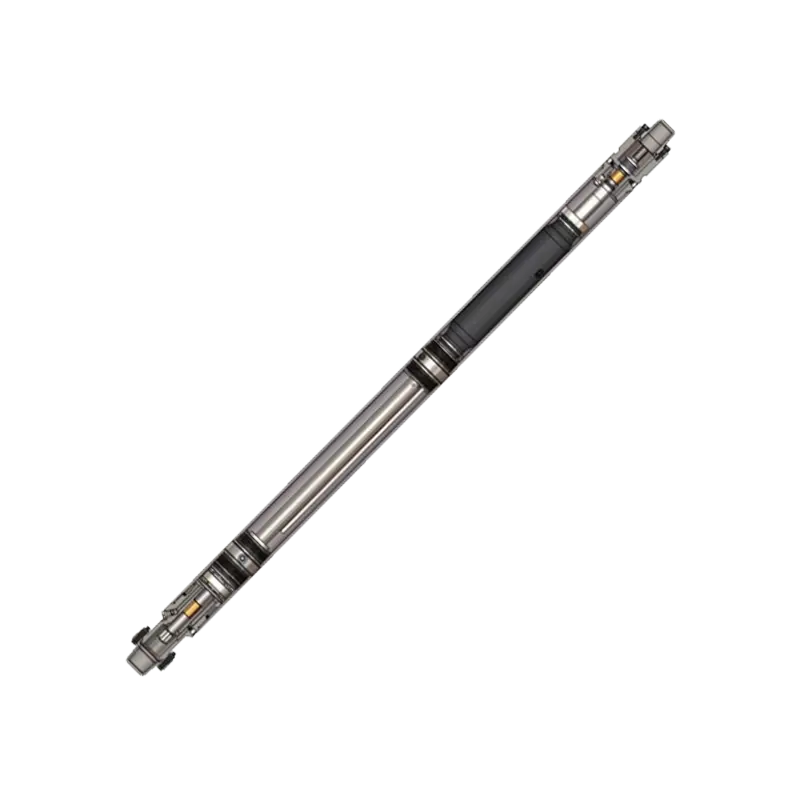
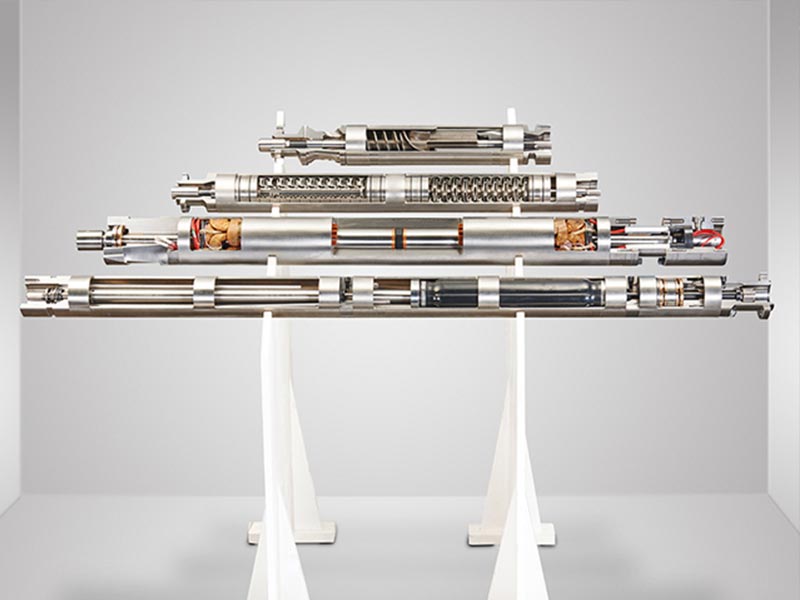
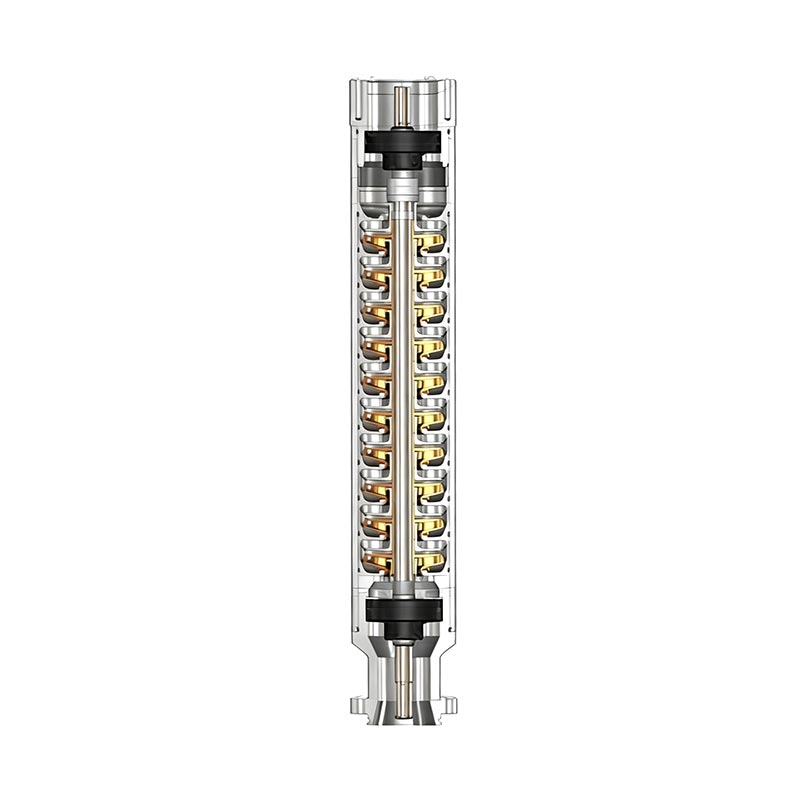
The working principle of a submersible geothermal pump is based on converting electrical energy into hydraulic energy. The motor drives multiple centrifugal pump stages, creating pressure that moves underground geothermal water upward through the well pipeline.
| Component | Function |
|---|---|
| Submersible Motor | Provides power to drive the pump system in underground conditions. |
| Pump Stages | Increase water pressure and achieve the required lifting height. |
| Protector System | Protects the motor from geothermal fluid and pressure changes. |
| Intake Section | Allows geothermal water to enter the pump efficiently. |
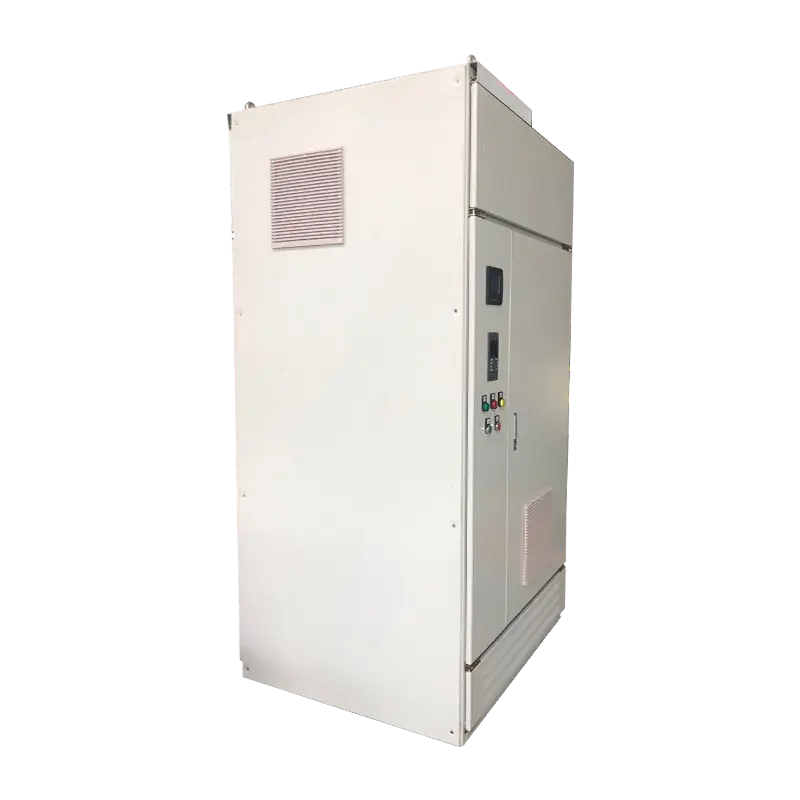
| Control System | Regulates operation and improves energy management. |
When the system starts, the motor rotates the impellers inside the pump. Each stage increases the pressure of the geothermal fluid. The pressurized water then travels through the well casing and reaches the surface for heating, power generation, or industrial use.
Many geothermal projects require continuous operation under extreme conditions. A submersible geothermal pump offers several advantages compared with traditional pumping equipment.
For geothermal projects, reliability is especially important because pump failures can interrupt heating systems, water supply, or energy production. A well-designed submersible geothermal pump helps reduce unexpected downtime and maintenance costs.
Customers working with geothermal systems often face several operational challenges. Selecting an unsuitable pump can result in high energy consumption, frequent repairs, and unstable water output.
| Customer Challenge | How a Submersible Geothermal Pump Helps |
|---|---|
| Deep geothermal wells | Provides strong pressure generation for high lifting requirements. |
| High temperature water | Uses heat-resistant materials and components designed for demanding environments. |
| Mineral deposits and corrosion | Offers material options suitable for different geothermal water conditions. |
| High operating costs | Improves pumping efficiency and reduces unnecessary energy consumption. |
| Frequent maintenance | Durable construction extends service intervals. |
Aote focuses on providing reliable pumping equipment for geothermal and deep well applications. The company's submersible geothermal pump solutions are designed according to practical project requirements, including well depth, water temperature, flow rate, and water quality.
Important features include:
Different geothermal projects have different requirements. For example, a residential geothermal heating system may focus on energy efficiency and stable flow, while industrial geothermal applications may require higher capacity and continuous operation.
Choosing the correct pump model is essential for achieving long-term performance. Customers should consider several technical factors before purchasing.
| Selection Factor | Importance |
|---|---|
| Well Depth | Determines required pump pressure and lifting capacity. |
| Water Temperature | Affects material selection and motor protection requirements. |
| Flow Rate | Ensures the pump can meet system water demand. |
| Water Quality | Helps prevent corrosion and scaling problems. |
| Operating Time | Influences durability and maintenance planning. |
Before selecting equipment, customers should collect geothermal well data and communicate application requirements with experienced manufacturers. A professional evaluation can prevent incorrect sizing and unnecessary operating costs.
Although geothermal pumps are designed for durability, proper maintenance is still necessary to maximize service life.
Preventive maintenance allows operators to identify potential problems before they become expensive failures.
| Comparison Item | Traditional Surface Pump | Submersible Geothermal Pump |
|---|---|---|
| Installation Position | Above ground | Inside geothermal well |
| Deep Well Performance | Limited | Excellent |
| Noise Level | Higher | Lower |
| Energy Efficiency | May experience higher losses | Optimized for underground pumping |
| Space Requirement | Requires surface equipment area | Minimal surface space |
Submersible geothermal pumps are commonly used in geothermal heating systems, hot water extraction projects, geothermal energy plants, industrial heating applications, and underground water circulation systems.
Yes. Geothermal-specific pumps are designed with suitable materials and protection systems to operate in higher-temperature environments. The exact temperature capability depends on pump design and project requirements.
Service life depends on operating conditions, water quality, maintenance practices, and installation quality. Proper selection and regular maintenance can significantly extend operating time.
Aote focuses on developing reliable submersible pumping equipment and provides customized solutions according to different geothermal project requirements, helping customers achieve stable and efficient water extraction.
Customers should evaluate well depth, required flow rate, temperature, water characteristics, and operating conditions. Professional technical communication with Aote can help determine the most suitable solution.
A submersible geothermal pump plays an essential role in improving geothermal water extraction efficiency and ensuring reliable long-term operation. With advantages such as high lifting performance, stable operation, and adaptability to challenging underground environments, it has become an important choice for modern geothermal projects.
Aote provides professional submersible geothermal pump solutions designed to meet different application requirements. Whether you need equipment for geothermal heating, industrial water extraction, or deep well projects, Aote can help deliver a reliable pumping system. Contact us today to discuss your geothermal pump requirements and find the right solution for your project.