Aote Tianjin Pump Co., Ltd.
News

News

ESP (Electrical Submersible Pump) Artificial Lift System - Technical Deep Dive & Field Application Practices

2026-08-17 0 Leave me a message

Abstract: As global oil & gas development extends to deeper and more complex reservoirs, the Electrical Submersible Pump (ESP) has become a core artificial lift technology. Based on AOTE PUMP’s field data in high‑temperature (260°C), deep‑well (3,000 m) and high‑water‑cut applications, this technical report systematically dissects ESP system architecture, selection logic, quality assurance, and emerging trends – offering practical, in‑depth guidance for production managers and engineers.

1.The Strategic Role of ESP in Oil & Gas Lifting

The global oil and gas industry faces the dual challenge of deteriorating reserves and the low‑carbon transition. New discoveries are increasingly located in deepwater, ultra‑deep formations, and polar regions, where conventional lift methods are often inadequate. Meanwhile, mature fields experience rising water cuts, demanding greater stability and energy efficiency from lifting equipment. Electrical Submersible Pumps (ESP) – with their high capacity, high head, small surface footprint, and easy automation – account for approximately 30% of the global artificial lift market, and over 50% on offshore platforms and highly deviated wells.

Over the past two decades, China’s ESP industry has built a complete value chain from materials R&D to system integration and smart control. Leading manufacturers such as AOTE PUMP are now reshaping the global high‑end ESP landscape with 260°C temperature tolerance, 3,000 m running depth, and overall efficiency improvements of 12‑18%.

2. ESP System Technology Overview

2.1 System Composition and Functional Breakdown

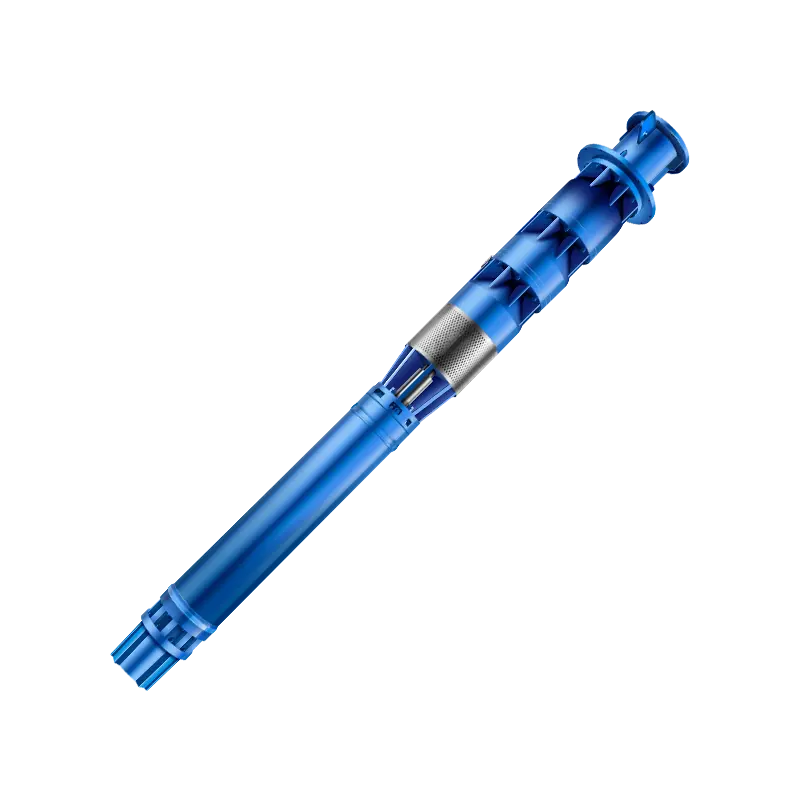
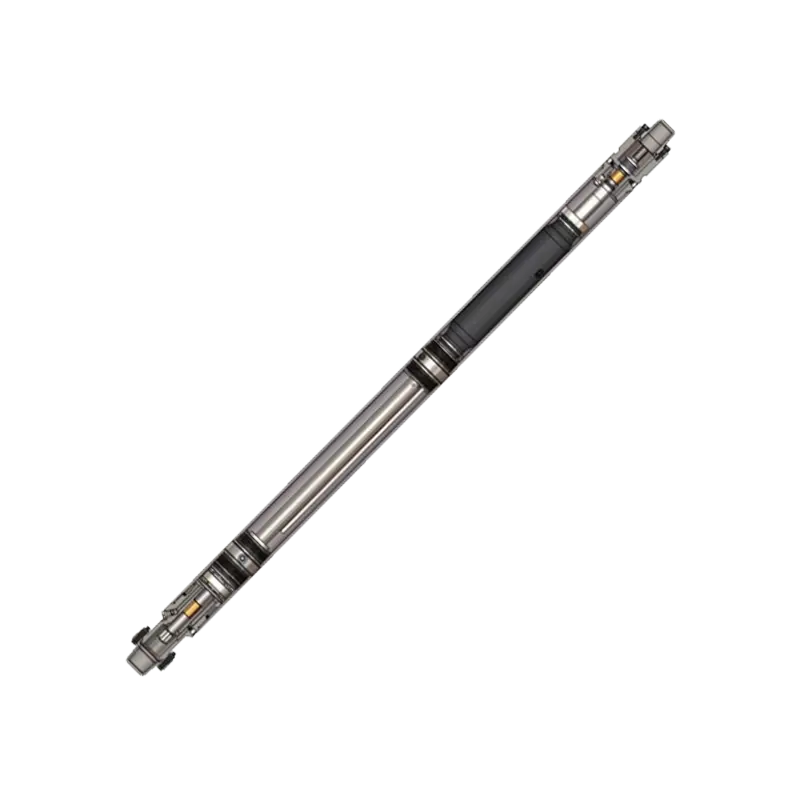
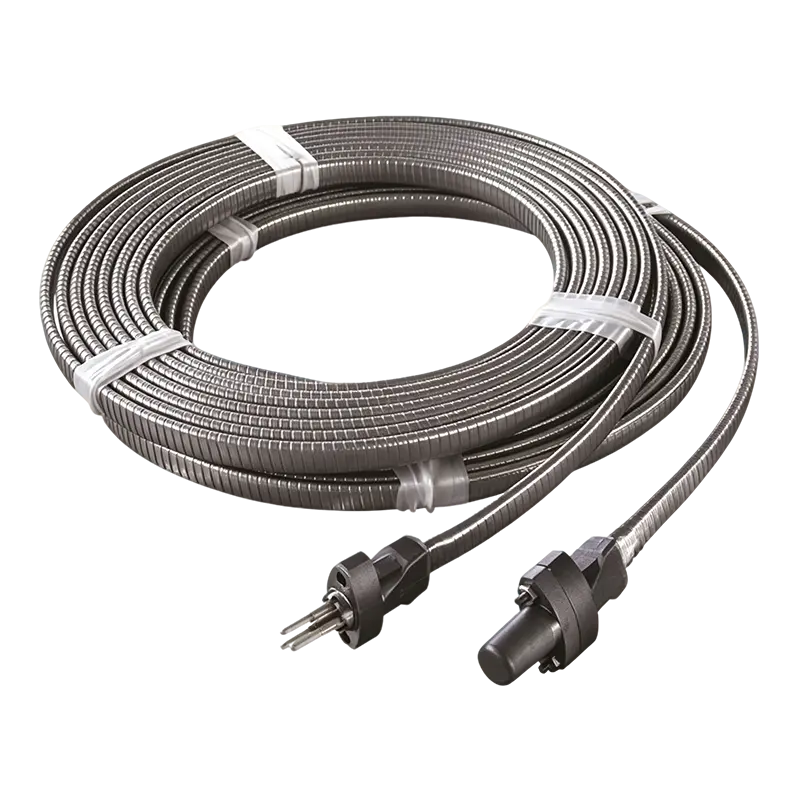
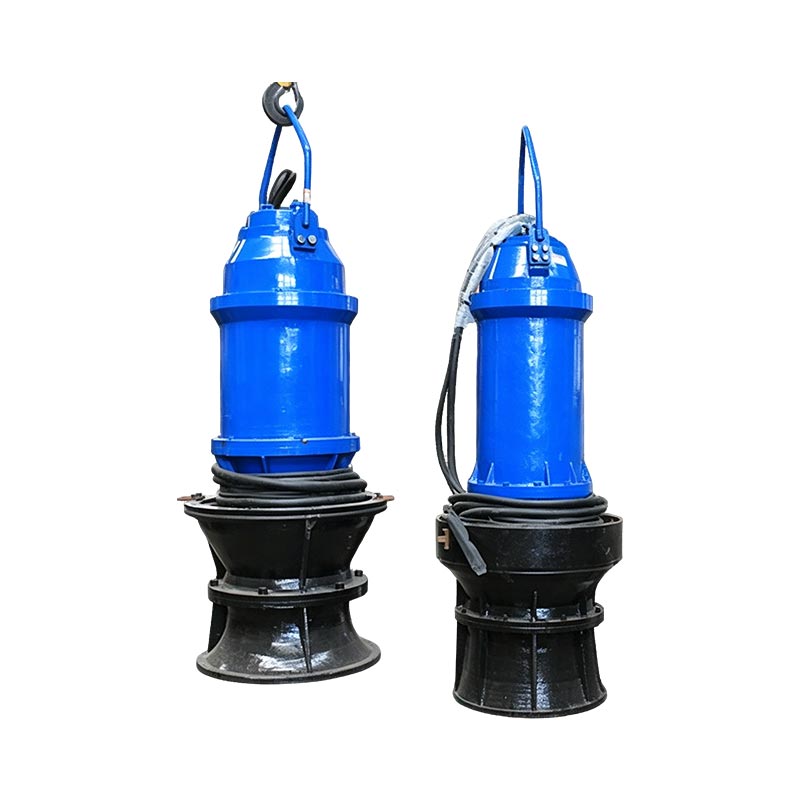
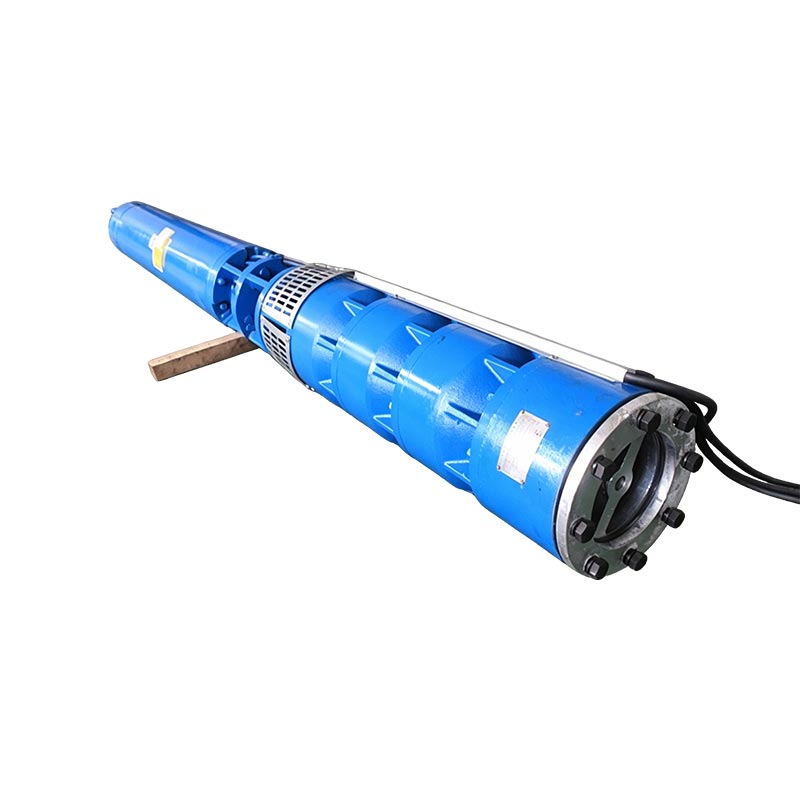
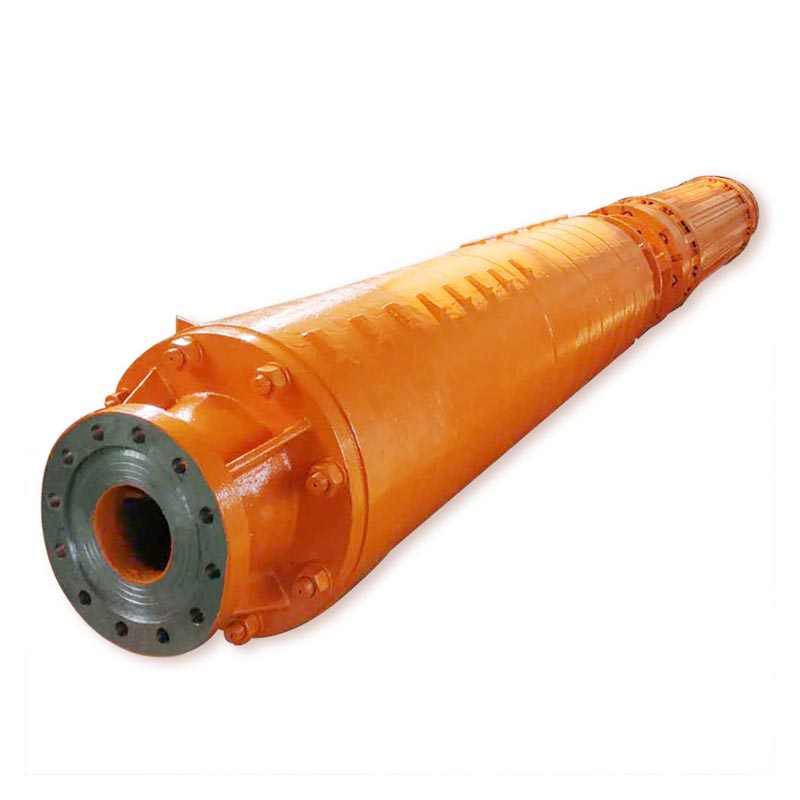
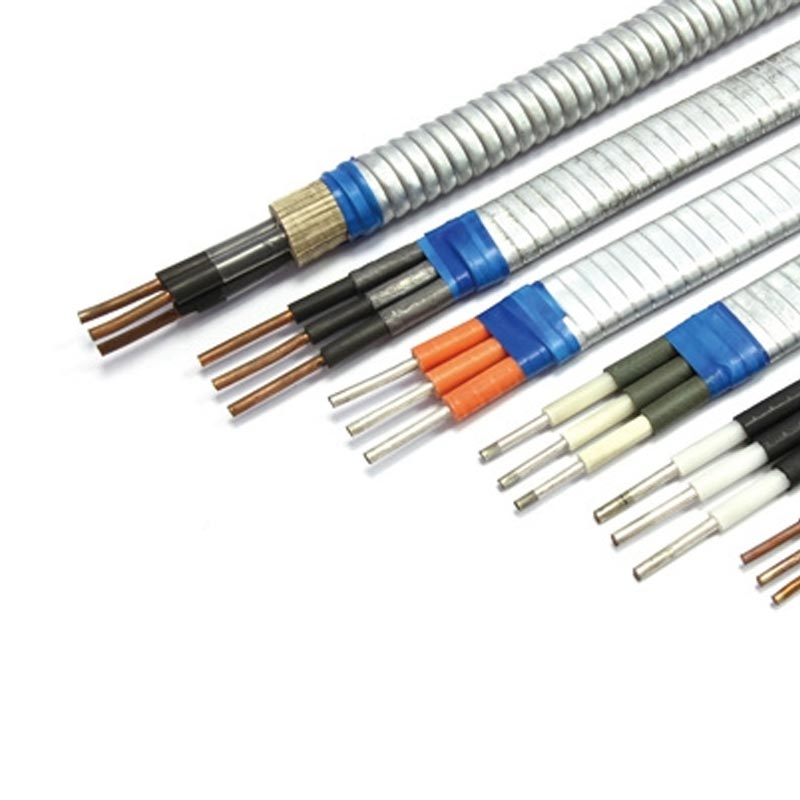
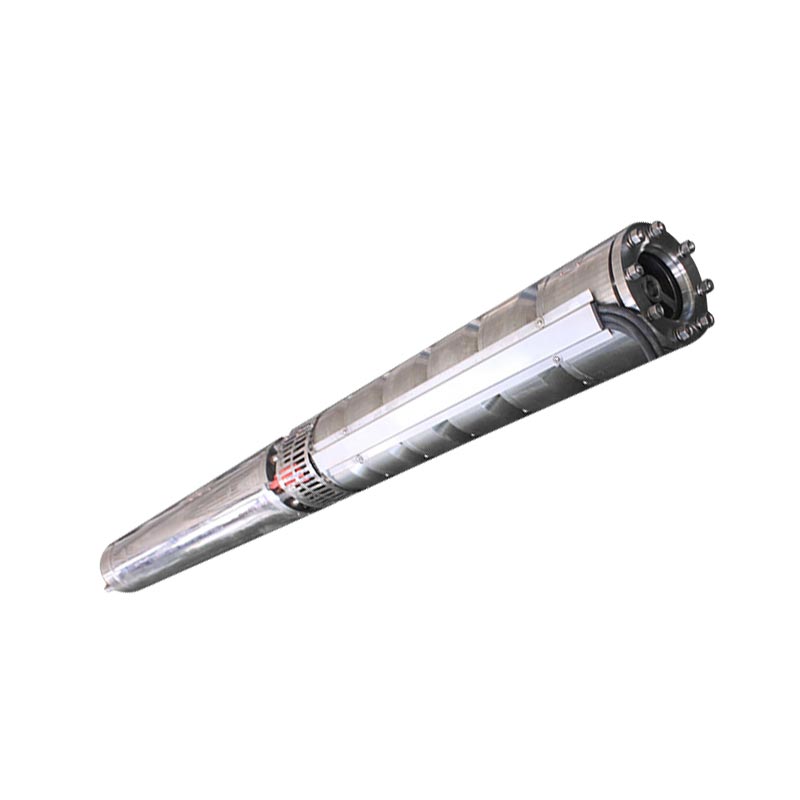
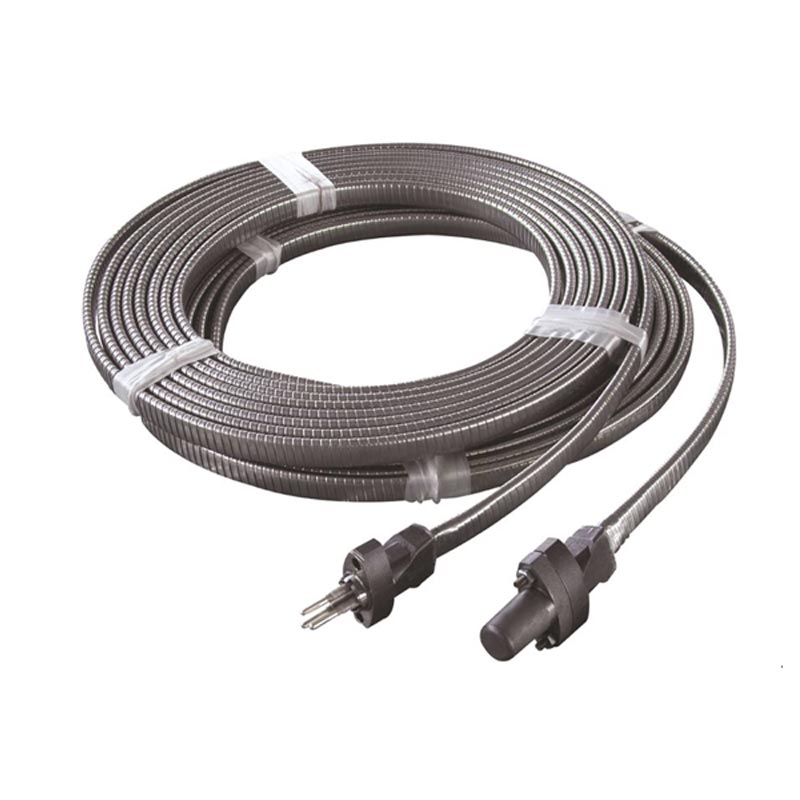
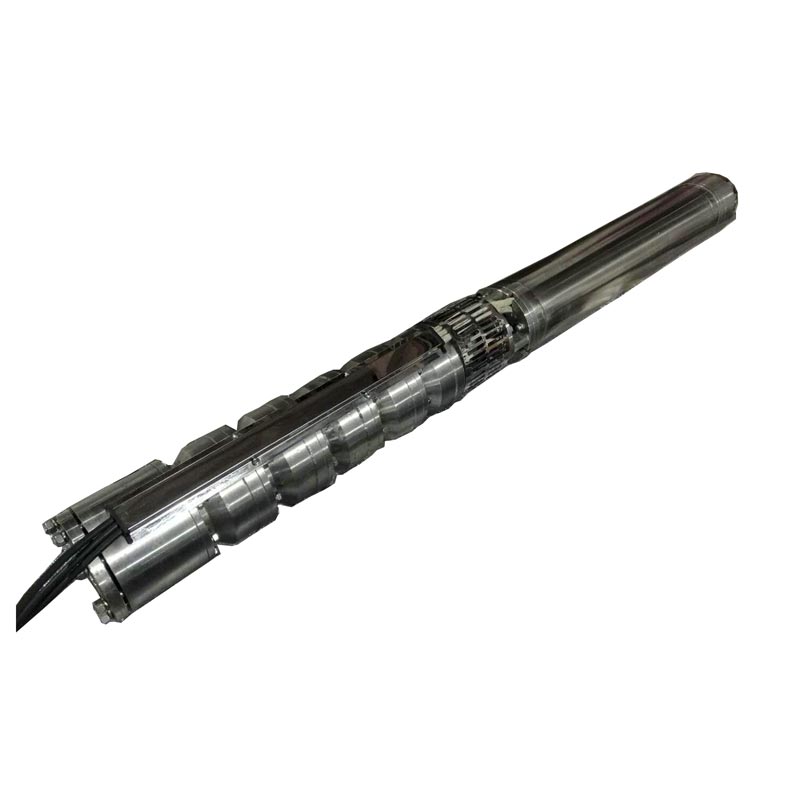
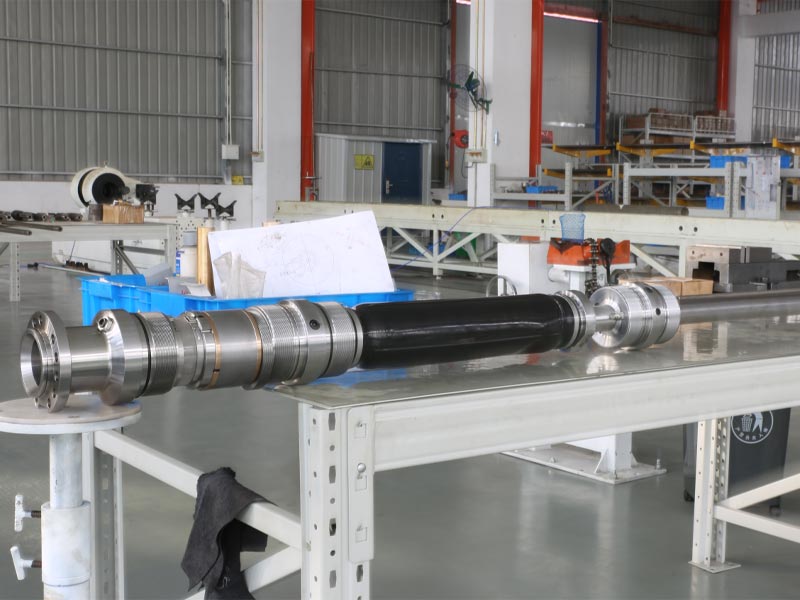
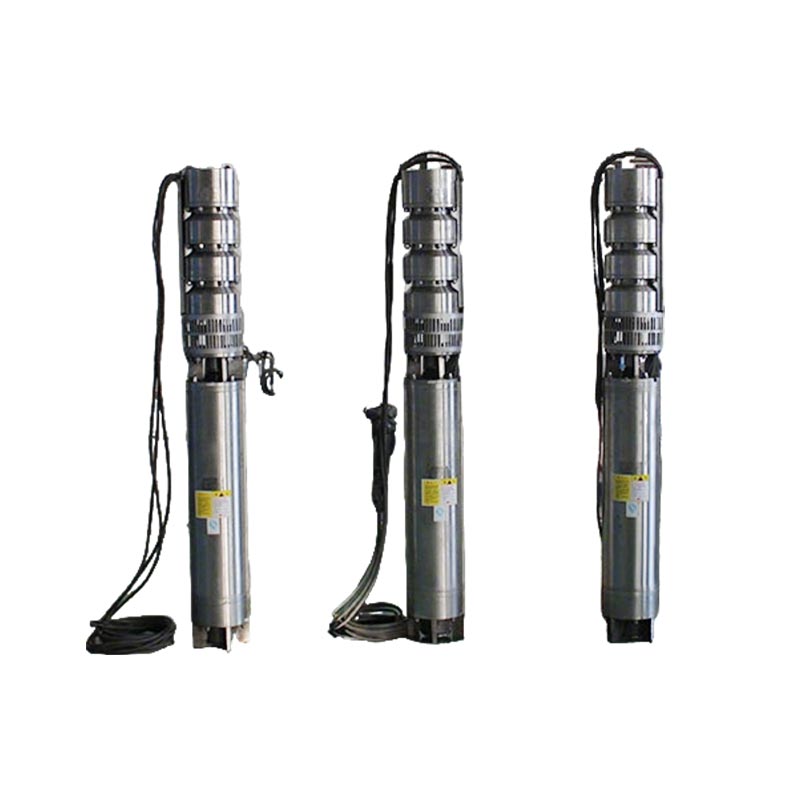
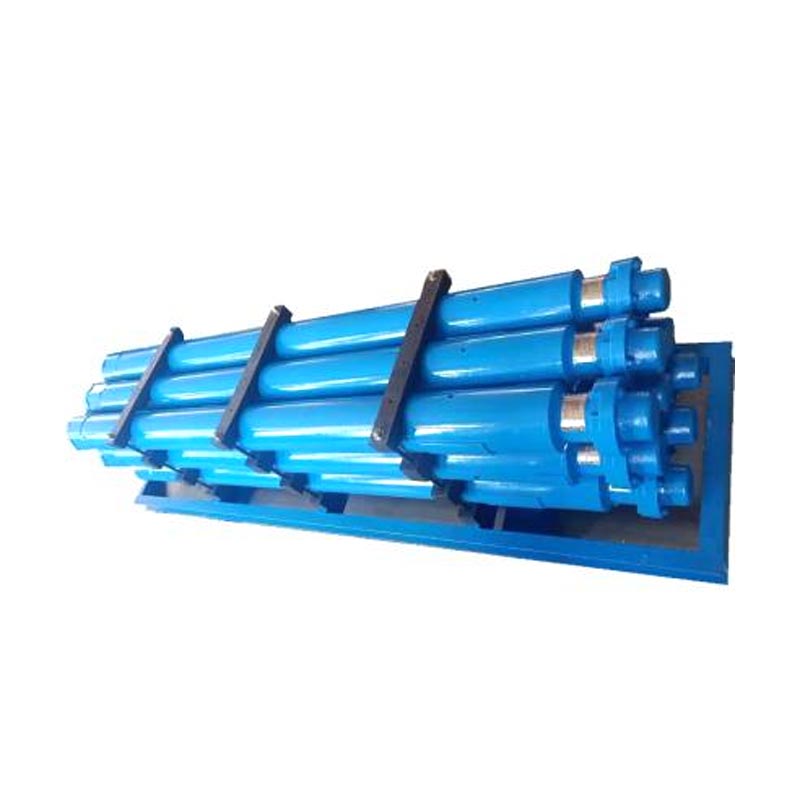
A complete ESP system comprises three main modules: surface control equipment, downhole unit, and power transmission & monitoring systems. The downhole unit consists of a multistage centrifugal pump, protector, separator, and submersible motor in series. Typical configurations are shown below:

No. Equipment Required Core Function
1 Variable Frequency Step‑up Transformer Required Boosts surface voltage to motor‑required level
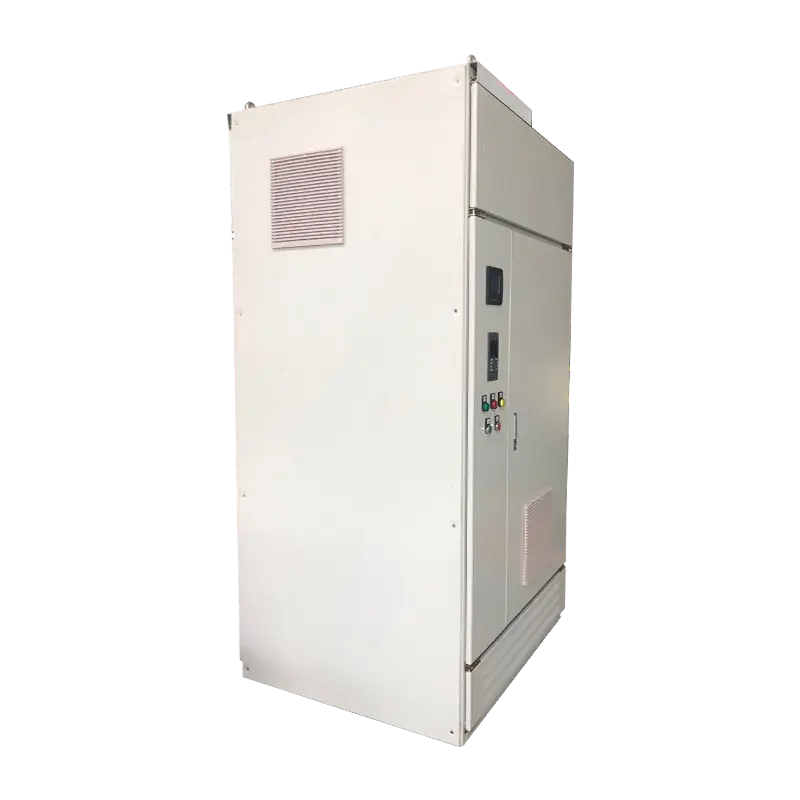
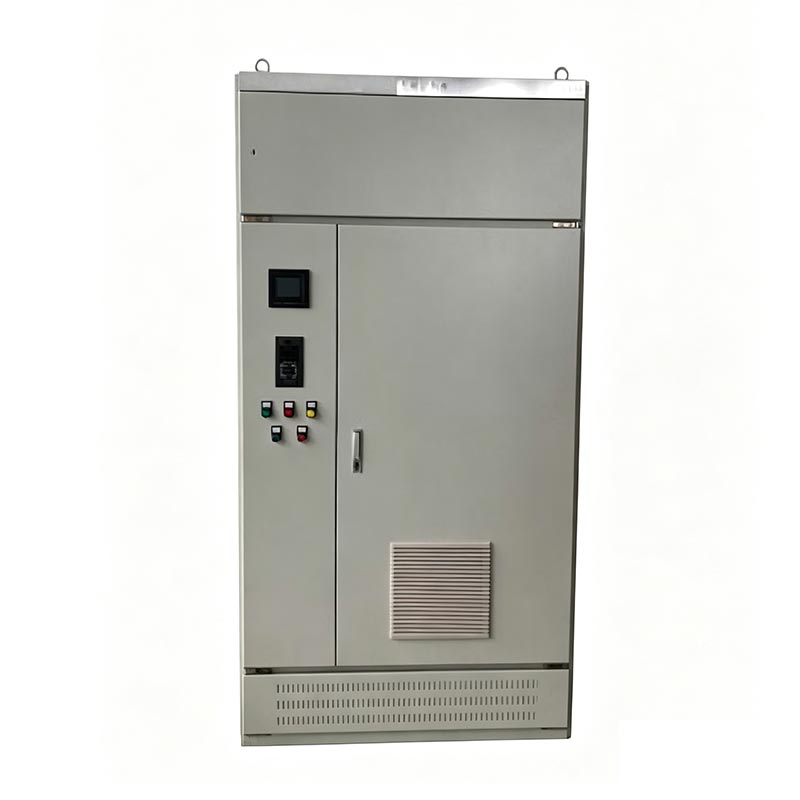
2 LV Variable Frequency Drive (with sine filter) Required Start/stop protection, speed control, condition monitoring
3 Check Valve / Drain Valve Required / Optional Prevents backflow and water‑hammer damage on shutdown
4 Multistage Centrifugal Pump (400/538/562/675 series) Required Stage‑by‑stage pressure boost; delivers required head and flow
5 Gas Handler / Separator Optional / Required Reduces free gas effects; prevents gas‑lock and cavitation
6 Protector (multi‑stage seal + bladder) Required Pressure equalization, torque transmission, axial load support, oil replenishment
7 Submersible Motor (375/456/540/738 series) Required Converts electrical to mechanical energy to drive the pump
8 Downhole Sensor (P/T/V/Insulation) Optional Real‑time monitoring of intake pressure, temperature, vibration, insulation, etc.

2.2 Key Technologies for High‑Temperature and Deep‑Well Applications

For geothermal and heavy‑oil thermal recovery wells (bottom‑hole temperature >200°C), AOTE PUMP employs Class H insulation systems, ceramic thrust bearings, and high‑temperature alloy impellers/diffusers, ensuring stable operation at 260°C. Additionally, through multi‑stage series connection and heavy‑load thrust bearings, the system achieves single‑unit heads exceeding 3,000 m, meeting the high‑volume lifting demands of deep wells.

▍ ESP System Schematic 

3. Scientific Selection: Matching Reservoir and Wellbore Conditions

Incorrect selection is a primary cause of shortened ESP life and increased energy consumption. AOTE PUMP follows a “reservoir‑wellbore‑equipment” integrated selection philosophy, supported by the following quantitative decision framework:

① Production Rate

High‑rate wells → larger pump diameters (538/562/675 series) + more stages to achieve high flow; low‑rate wells may use 400 series for energy savings.

② Well Depth & Head

Every additional 500 m depth requires ~5‑8 more stages; deep wells (>2,500 m) benefit from high‑strength shafts and multiple protectors in series.

③ Fluid Properties

High sand content → wear‑resistant coatings / cemented carbide; high GOR → gas separator; high corrosivity → Monel / duplex stainless steel.

④ Temperature & Casing Size

Select pump OD based on minimum casing ID (e.g., 4½" casing → 338/375 series). High‑temperature wells require separate motor cooling and insulation verification.

4. Full‑Chain Quality Control System

AOTE PUMP extends quality management across the entire lifecycle – from raw materials, machining, assembly, testing, to field service. Key control points include:

  • Material Traceability: Every batch of alloy shaft and anti‑corrosion components undergoes spectrometric analysis and mechanical property verification;
  • Precision Manufacturing: 5‑axis CNC and CFD hydraulic optimization ensure impeller/diffuser stage efficiency ≥82%;
  • Factory Performance Testing: Each ESP unit is subject to full flow‑head curve testing, pressure sealing tests, and load running tests, with traceable reports;
  • Standardised Assembly: Compliant with ISO 9001 and API Q1, with digital control over critical torques and clearances.

5. Typical Applications & Customer Value

🏭 Onshore Conventional Oilfields

Suitable for water‑flood and low‑permeability reservoirs, providing long‑term continuous lift with run life extended beyond 3 years.

🌊 Offshore Platforms

Compact and corrosion‑resistant design, adapted to humid and dynamic environments, significantly reducing offshore intervention frequency.

♨️ Geothermal & High‑Temperature Wells

260°C insulation system with ceramic bearings, delivering >12,000 hours of trouble‑free operation in deep geothermal projects.

6. The Next Frontier – Intelligence & Decarbonisation

ESP technology is rapidly converging with digital twins and edge computing. AOTE PUMP has launched the “ESP i‑Sense” intelligent monitoring platform, which predicts pump efficiency in real time, diagnoses abnormal vibrations, and coordinates with VFDs to optimise operating frequency, achieving energy savings of 8‑15%. Under the “dual‑carbon” agenda, high‑efficiency, durable ESP systems will remain a cornerstone for improving oilfield productivity and reducing emissions.

📌 This technical report is compiled from AOTE PUMP’s actual project data and publicly available industry information. For selection support or to request the full document, please contact our technical team via the official website.

Related News
Leave me a message
X
We use cookies to offer you a better browsing experience, analyze site traffic and personalize content. By using this site, you agree to our use of cookies. Privacy Policy
RejectAccept