
Abstract: Modern irrigation projects need reliable equipment that can move large volumes of water efficiently while adapting to changing water levels and demanding outdoor conditions. Aote's Submersible Axial Flow Pump for Irrigation is designed for high-flow, low-head water transfer applications, making it suitable for agricultural irrigation, river water intake, reservoir transfer, drainage systems, and other large-scale water management projects. With a compact submerged structure, adjustable impeller design, enclosed motor, mechanical sealing, and protective monitoring functions, this pump offers a practical approach to improving irrigation water-transfer efficiency and simplifying pump-station installation.
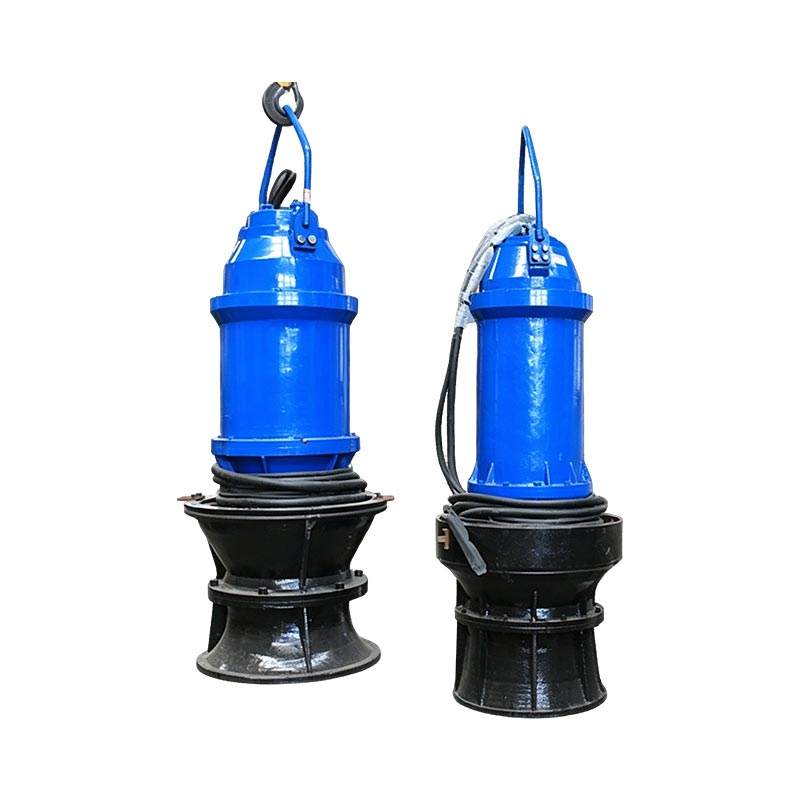
Table of Contents
- Why Do Modern Irrigation Systems Need High-Flow Pumping Solutions?
- What Is a Submersible Axial Flow Pump for Irrigation?
- How Does a Submersible Axial Flow Pump Work?
- What Are the Main Advantages of This Pump?
- How Should You Select the Right Irrigation Pump?
- What Is the Difference Between QZB and QHB Pump Types?
- Where Can Submersible Axial Flow Pumps Be Used?
- Which Technical Factors Should Buyers Evaluate?
- How Can Long-Term Pump Performance Be Maintained?
- Frequently Asked Questions
- Conclusion
Why Do Modern Irrigation Systems Need High-Flow Pumping Solutions?
Agricultural irrigation is fundamentally a water-transfer challenge. Large farms, irrigation districts, reservoirs, canals, and river-intake stations may need to move substantial quantities of water within a relatively short period. In these applications, generating extremely high pressure is not always the primary objective. Instead, the pumping system needs to deliver high flow efficiently at a relatively low or moderate head.
This is where axial-flow pumping technology becomes particularly valuable. Compared with pumping solutions designed primarily for high-head applications, an axial-flow configuration focuses on moving a large volume of water through the system with an efficient hydraulic structure.
Irrigation projects also have to deal with changing operating conditions. Seasonal rainfall, drought, reservoir levels, canal water levels, and agricultural demand can all affect the required pumping capacity. A flexible and properly engineered pump can therefore provide significant operational advantages.
- High-volume water transfer may be required during peak irrigation periods.
- Water levels can fluctuate significantly during seasonal operation.
- Outdoor pump stations may have limited installation space.
- Continuous operation places demands on motor cooling and sealing.
- Maintenance and installation costs influence overall project efficiency.
For these reasons, choosing the correct Submersible Axial Flow Pump for Irrigation is an important part of designing a reliable agricultural water-transfer system.
What Is a Submersible Axial Flow Pump for Irrigation?
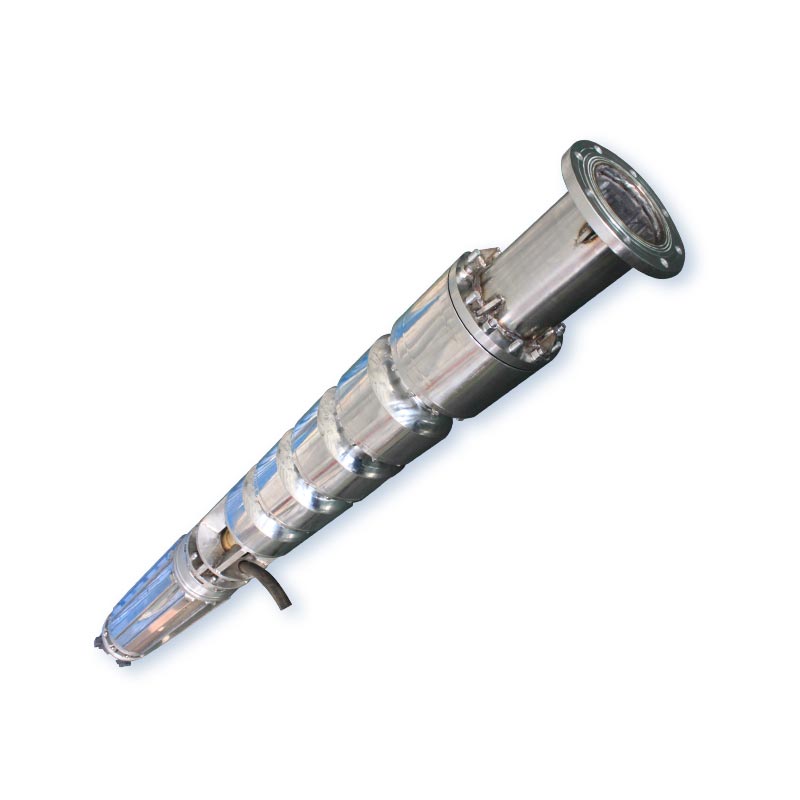
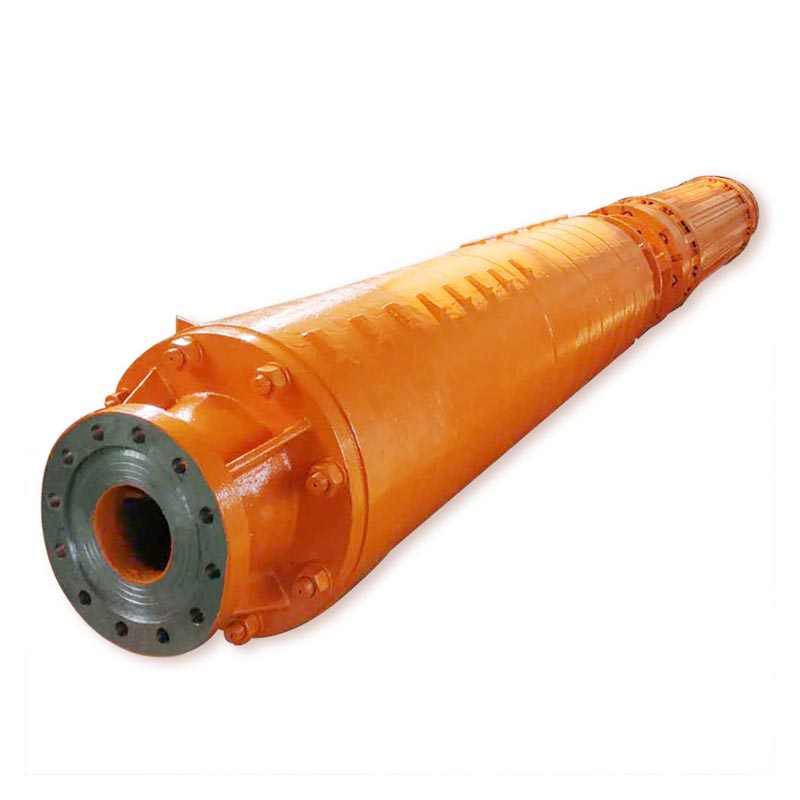
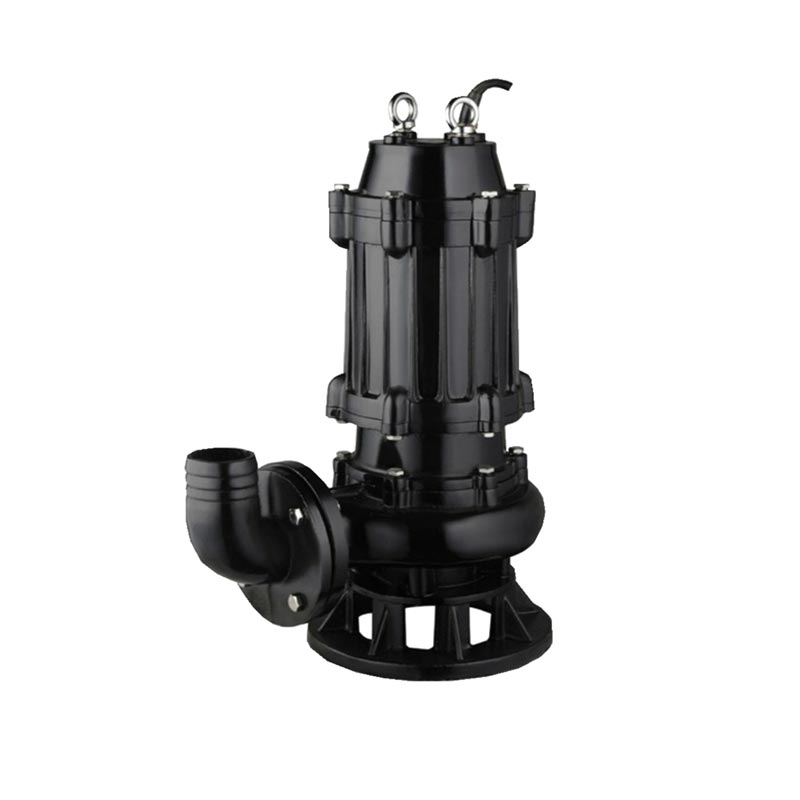
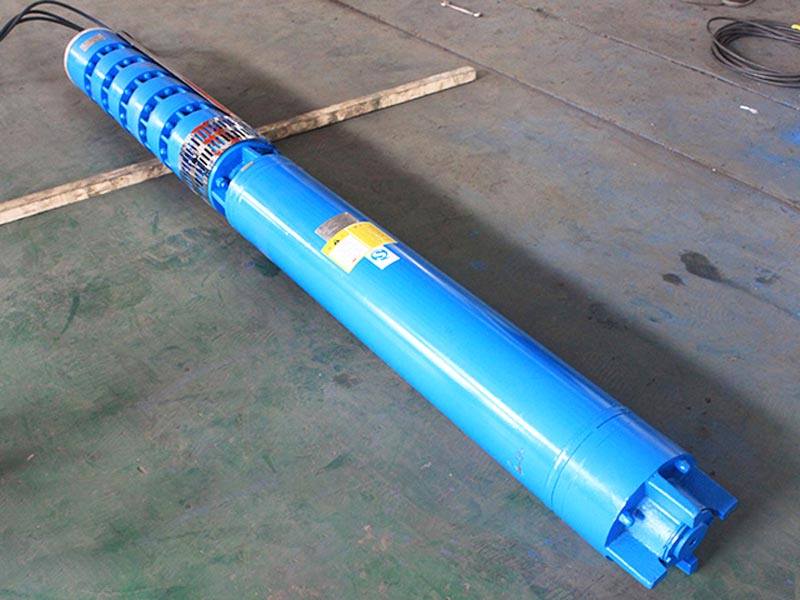
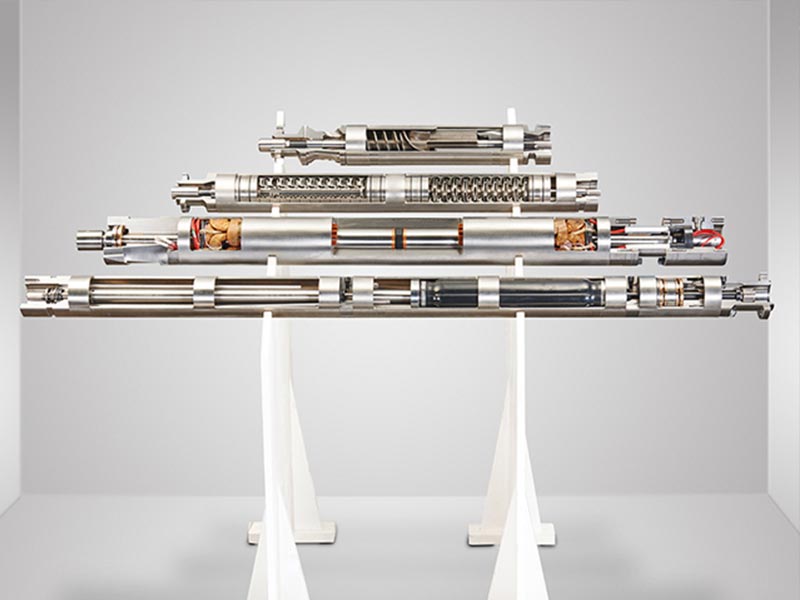
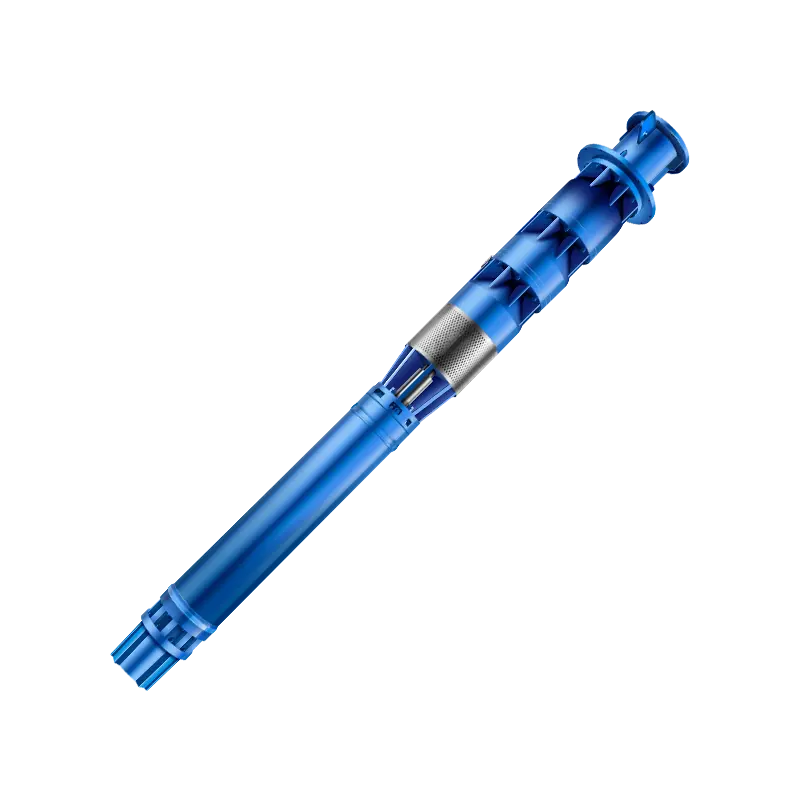
A submersible axial flow pump is an integrated pumping unit designed to operate directly underwater. The pump and motor are combined into a compact structure, allowing the complete unit to be positioned below the water surface during operation.
The axial-flow hydraulic configuration is especially suitable for applications requiring high water volume and relatively low pumping head. Rather than relying on a conventional above-ground pump-room arrangement, the submerged structure allows the equipment to work close to the water source.
Aote's irrigation-oriented solution is designed for applications including agricultural irrigation, river water intake, reservoir water transfer, flood drainage, municipal drainage, industrial water systems, and power-plant water applications.
Depending on the project requirements, Aote provides different configurations, including QZB submersible axial-flow pumps and QHB submersible mixed-flow pumps. This allows buyers to select a hydraulic configuration according to actual flow and head requirements.
How Does a Submersible Axial Flow Pump Work?
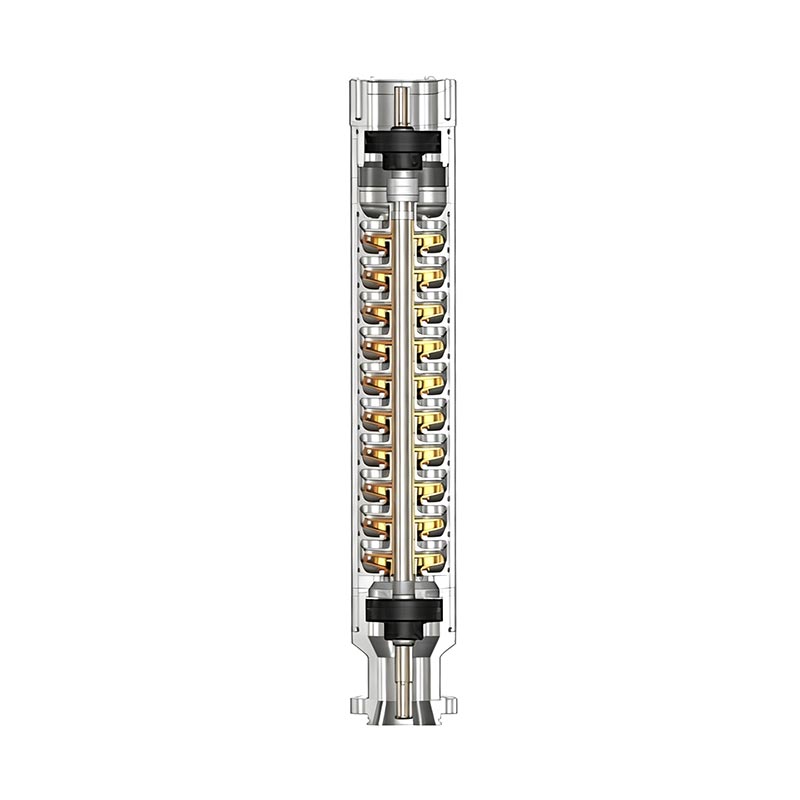
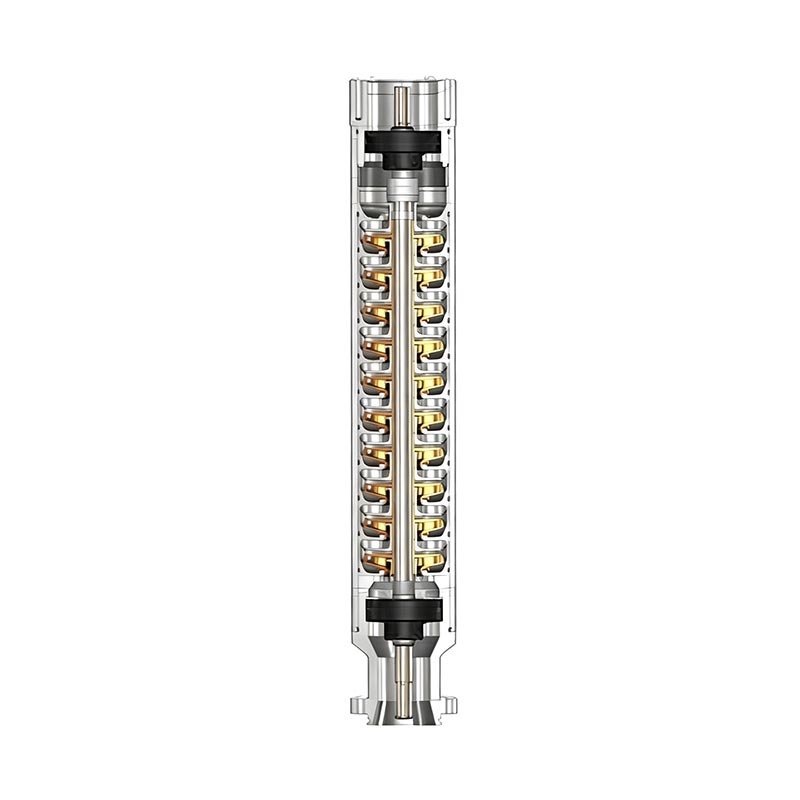
The operating principle of an axial-flow pump is relatively straightforward. Water enters the pump through the inlet, and the rotating impeller transfers energy to the water. The resulting hydraulic force moves the water primarily along the axis of the pump before it enters the discharge system.
Because the motor is submerged together with the pump, the surrounding water helps provide a suitable cooling environment during operation. A properly designed sealing system prevents water from entering critical motor components.
Aote's product design incorporates several functional elements intended to support stable submerged operation:
- Integrated pump and motor: Creates a compact underwater pumping unit.
- Adjustable impeller blades: Provide hydraulic flexibility for different operating requirements.
- Fully enclosed motor: Designed for submerged operating conditions.
- Mechanical sealing: Helps protect the motor from water intrusion.
- Leakage protection: Provides additional electrical safety during operation.
- Temperature monitoring: Helps monitor motor winding and bearing conditions.
This integrated design can reduce the complexity associated with installing separate pumps, motors, couplings, and supporting equipment in a traditional dry pump station.
What Are the Main Advantages of This Pump?
High-Flow, Low-Head Performance
The biggest advantage of axial-flow technology is its suitability for moving large quantities of water at relatively low heads. This makes it a strong candidate for irrigation canals, river intake stations, reservoirs, drainage projects, and similar applications.
Compact Installation
The submerged pump-and-motor arrangement can reduce the amount of above-ground equipment required. This is particularly useful for irrigation projects where construction space is restricted or where a large pump building would increase infrastructure costs.
Adaptability to Water-Level Changes
Because the pump operates underwater, it can be positioned close to the available water source. This makes the configuration suitable for applications in which water levels change throughout the operating season.
Reduced Mechanical Complexity
An integrated submersible structure eliminates some of the external mechanical components associated with conventional pump installations. This can simplify system design and reduce alignment requirements during installation.
Adjustable Hydraulic Performance
Adjustable impeller blades allow the pump to be configured according to specific operating conditions. This can be beneficial for irrigation systems with different seasonal flow requirements.
Suitable for Large-Scale Water Management
Beyond agricultural irrigation, the same pumping principle can be applied to flood drainage, municipal water management, industrial water transfer, and other projects where large water volumes need to be moved efficiently.
How Should You Select the Right Irrigation Pump?
Choosing a pump should begin with the hydraulic requirements of the project rather than the pump model itself. An accurate understanding of the required operating conditions helps ensure that the selected equipment can provide stable performance without unnecessary energy consumption.
The following factors should be evaluated before purchasing:
- Required flow rate: Determine the amount of water that must be transferred per hour or per minute.
- Total head: Calculate elevation differences, pipeline friction, valves, fittings, and other hydraulic losses.
- Water source: Identify whether the pump will operate in a river, reservoir, canal, drainage basin, or other water source.
- Water quality: Consider temperature, pH, suspended solids, and other characteristics.
- Installation depth: Determine the appropriate submerged installation position.
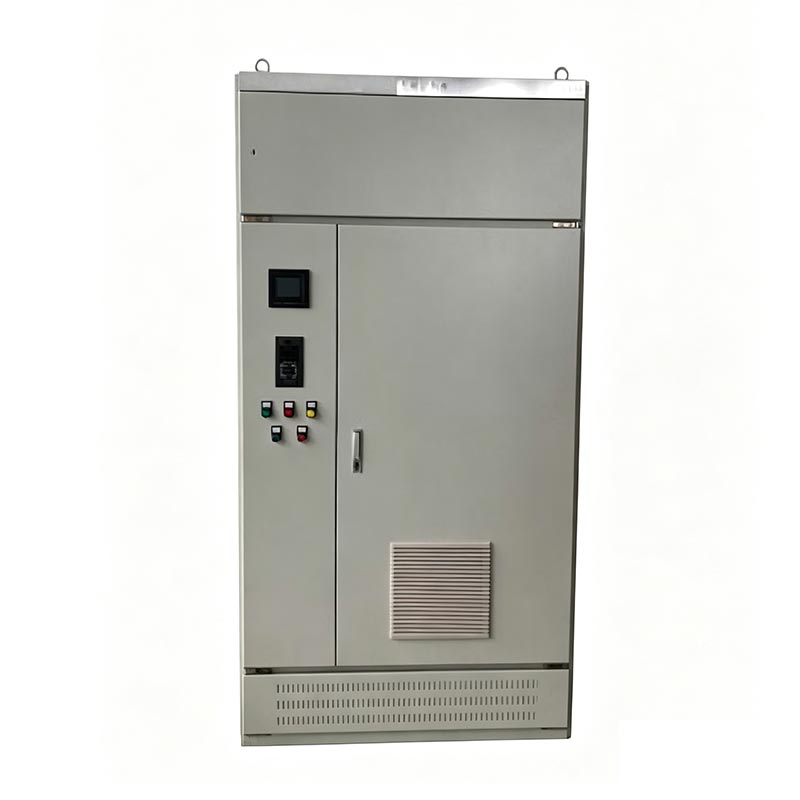
- Power supply: Confirm voltage, frequency, motor capacity, and electrical-control requirements.
- Operating schedule: Consider whether the system will run continuously, seasonally, or intermittently.
For complex projects, buyers should provide complete operating data to the manufacturer so that the pump can be selected according to the actual duty point rather than based solely on nominal flow or motor power.
What Is the Difference Between QZB and QHB Pump Types?
Understanding the difference between axial-flow and mixed-flow configurations is important when purchasing a high-flow irrigation pump. Aote's product range includes QZB submersible axial-flow pumps and QHB submersible mixed-flow pumps.
| Feature | QZB Series | QHB Series |
|---|---|---|
| Pump type | Submersible axial flow | Submersible mixed flow |
| Primary characteristic | High flow and relatively low head | Higher head and flexible hydraulic performance |
| Typical use | Agricultural irrigation, river intake and drainage | Water-transfer applications requiring greater head |
| Hydraulic focus | Large-volume water movement | Balance between flow and head |
| Best selection condition | Low-head, high-flow duty point | Higher-head or changing hydraulic conditions |
If an irrigation project primarily needs to move a very large quantity of water over a relatively small elevation difference, the QZB axial-flow configuration may be more appropriate. When the required head is higher, a QHB mixed-flow configuration may offer a better hydraulic match.
Where Can Submersible Axial Flow Pumps Be Used?
The application range of a Submersible Axial Flow Pump for Irrigation is broader than agricultural fields alone. The same high-flow pumping principle can support multiple water-management scenarios.
- Agricultural irrigation: Transfers water from rivers, reservoirs, or canals to irrigation networks.
- River water intake: Provides high-volume water intake for agricultural or municipal systems.
- Reservoir transfer: Moves stored water toward downstream irrigation infrastructure.
- Flood drainage: Removes large quantities of water from flood-prone locations.
- Municipal drainage: Supports urban water-management and drainage facilities.
- Industrial water transfer: Handles large water volumes in industrial processes.
- Power plant water systems: Supports water supply, circulation, and drainage requirements.
- Shipyard applications: Provides large-volume water transfer and drainage capabilities.
The final application should always be evaluated according to the actual water characteristics, flow, head, installation environment, and operating schedule.
Which Technical Factors Should Buyers Evaluate?
Technical compatibility is critical when purchasing a submersible pump. The following factors should be reviewed with the manufacturer before finalizing a specification.
| Technical Factor | Reference Consideration | Why It Matters |
|---|---|---|
| Flow rate | Based on project demand | Determines irrigation capacity and pump size |
| Pump head | Based on system hydraulics | Determines the appropriate pump configuration |
| Liquid temperature | Application dependent | Affects motor and sealing requirements |
| pH value | Water-quality dependent | Influences material selection and corrosion resistance |
| Suspended solids | Must remain within specified limits | Affects impeller and hydraulic component durability |
| Installation depth | Determined by water source and station design | Influences installation and operating conditions |
| Electrical supply | Voltage and frequency dependent | Ensures motor compatibility and safe operation |
For reference, Aote's published product information indicates operating suitability for raw water or lightly contaminated wastewater under specified conditions, including liquid temperatures up to 50°C, a pH range of approximately 4 to 10, and suspended solids below 2% by volume. Project-specific requirements should be confirmed with the manufacturer before selection.
How Can Long-Term Pump Performance Be Maintained?
Proper maintenance is essential for keeping a submerged irrigation pump reliable throughout long operating cycles. Although the equipment is designed for underwater operation, preventive inspection can help identify problems before they cause unexpected shutdowns.
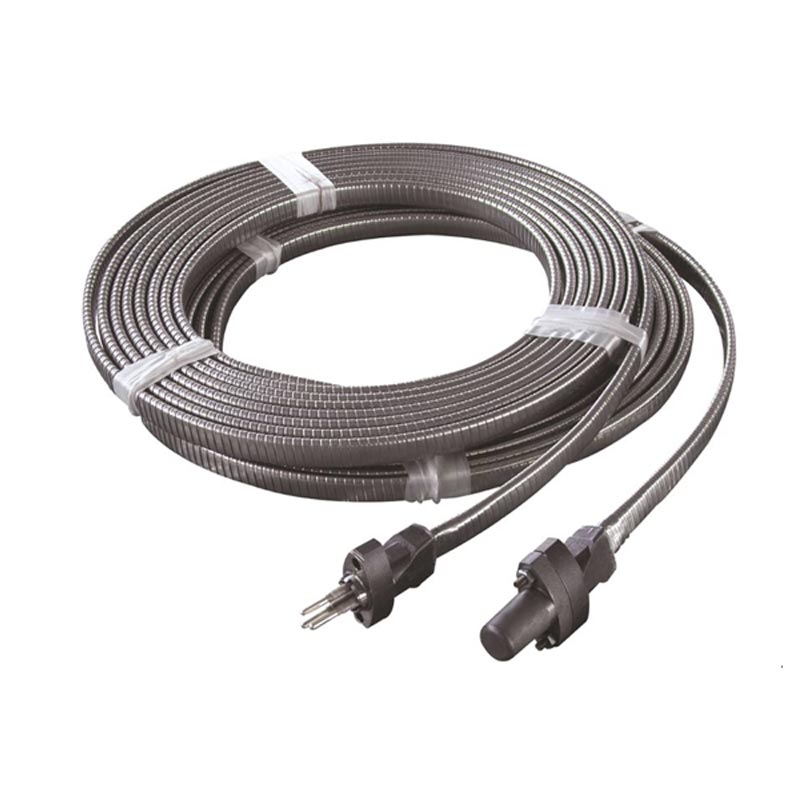
- Inspect power cables and electrical connections regularly.
- Monitor motor current for unusual changes.
- Check leakage-protection signals and temperature-monitoring functions.
- Inspect mechanical seals according to the manufacturer's maintenance schedule.
- Keep the pump inlet clear of excessive debris.
- Monitor vibration and unusual operating noise.
- Inspect the impeller when pumping performance declines.
- Verify that the pump remains within its specified operating range.
- Follow the manufacturer's recommended inspection and servicing procedures.
Preventive maintenance is especially important in agricultural environments because irrigation water can contain sediment, suspended particles, plant debris, and other contaminants that may influence hydraulic performance over time.
Frequently Asked Questions
1. What is a Submersible Axial Flow Pump for Irrigation used for?
It is primarily used to transfer large quantities of water at relatively low heads. Common applications include agricultural irrigation, river intake, reservoir transfer, flood drainage, municipal drainage, and industrial water systems.
2. Can this type of pump be used for river irrigation?
Yes. A properly selected submersible axial-flow pump can be used for river-water intake and irrigation when the water characteristics, flow, head, and installation conditions fall within the manufacturer's specifications.
3. What is the main advantage of axial-flow technology?
The primary advantage is its ability to deliver high flow at relatively low head. This makes axial-flow pumps particularly suitable for moving large quantities of irrigation water.
4. What is the difference between an axial-flow and mixed-flow pump?
An axial-flow pump is generally optimized for high flow and low head, while a mixed-flow pump provides a balance between flow and head and can be better suited to applications requiring higher lifting performance.
5. What information should I provide when requesting an irrigation pump quotation?
Provide the required flow rate, total head, water-source information, water temperature, pH, suspended-solid conditions, installation depth, discharge-pipeline details, power supply, and expected operating schedule.
6. Is a submersible pump suitable for fluctuating water levels?
Yes. Its underwater installation makes it suitable for many water sources where the operating water level changes. However, the installation depth and hydraulic duty point should be carefully evaluated for the specific project.
7. Does Aote provide different pump configurations?
Yes. Aote's product range includes QZB submersible axial-flow pump configurations as well as QHB submersible mixed-flow options, allowing customers to select a solution according to the required hydraulic conditions.
8. How can I choose the correct pump model?
The correct model should be selected according to the project's required flow, head, water characteristics, installation conditions, motor requirements, and operating environment. Professional technical selection is recommended for large irrigation projects.
Conclusion
A well-selected Submersible Axial Flow Pump for Irrigation can provide an efficient solution for agricultural and large-scale water-transfer applications where high flow and relatively low head are required. Its submerged pump-and-motor structure, adjustable impeller, enclosed motor, sealing system, and monitoring functions can help simplify installation while supporting dependable operation.
For irrigation contractors, agricultural projects, water-management companies, and international equipment buyers, the most important step is to match the pump with the actual hydraulic duty point and water conditions. As an experienced China pump manufacturer and supplier, Aote can provide different submersible pumping configurations for irrigation, drainage, river intake, reservoir transfer, and other water-management applications. If you are planning a new irrigation project or upgrading an existing pumping station, contact us with your required flow, head, water-source information, and installation conditions to discuss a suitable pumping solution.