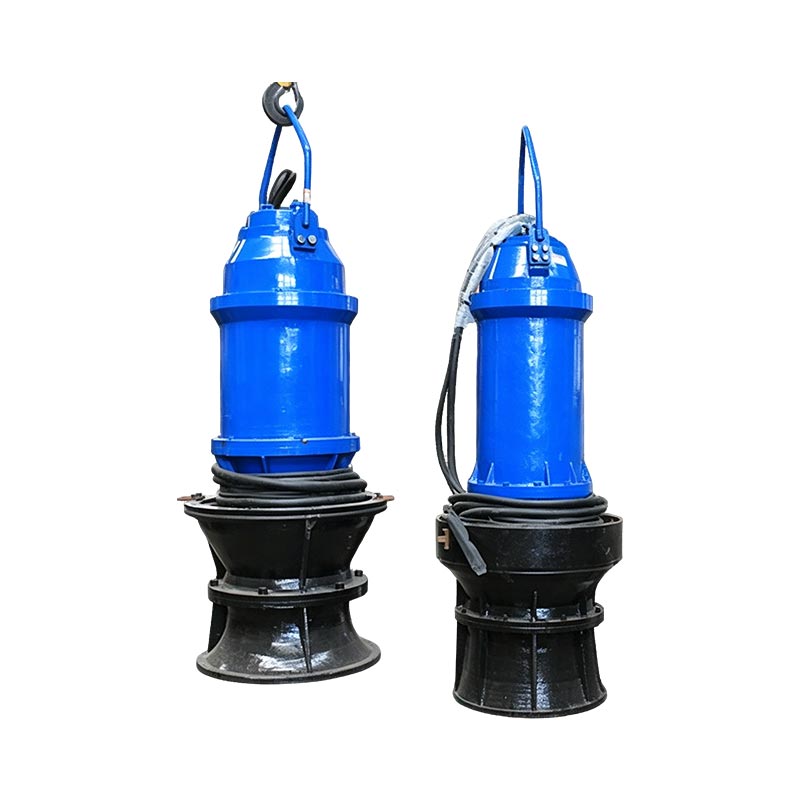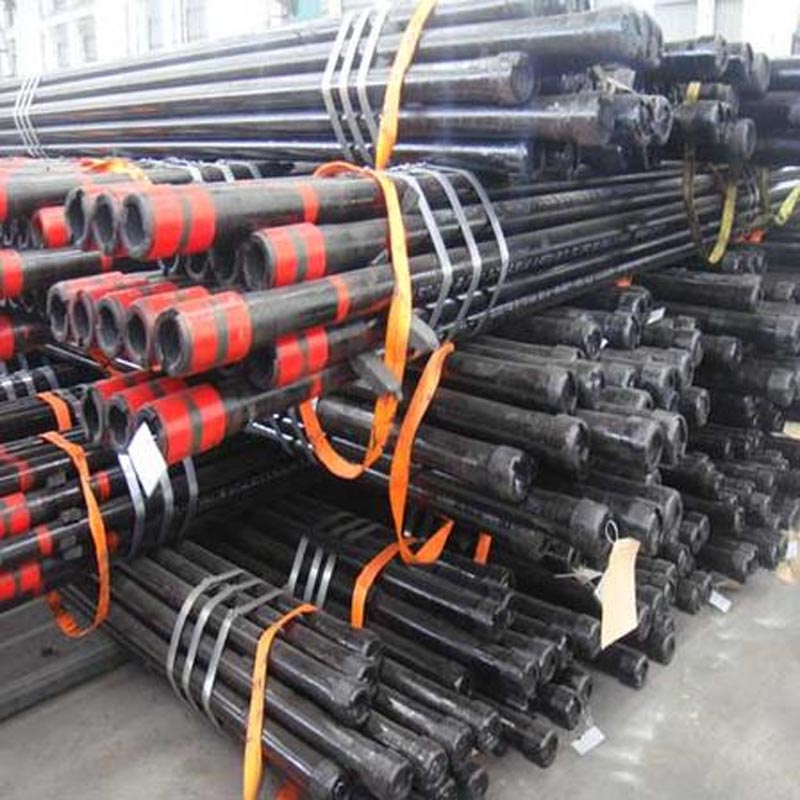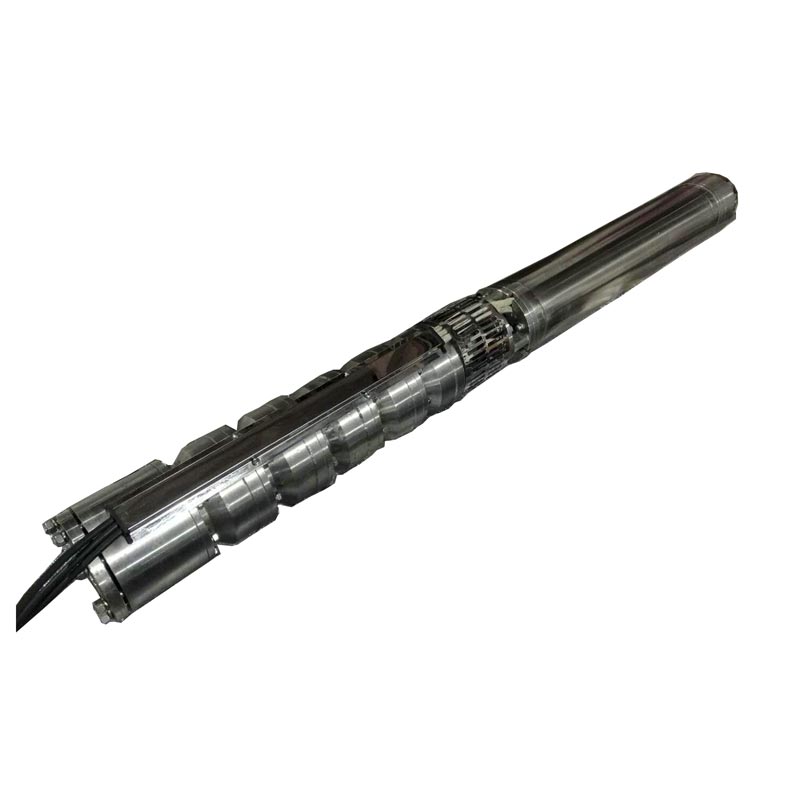
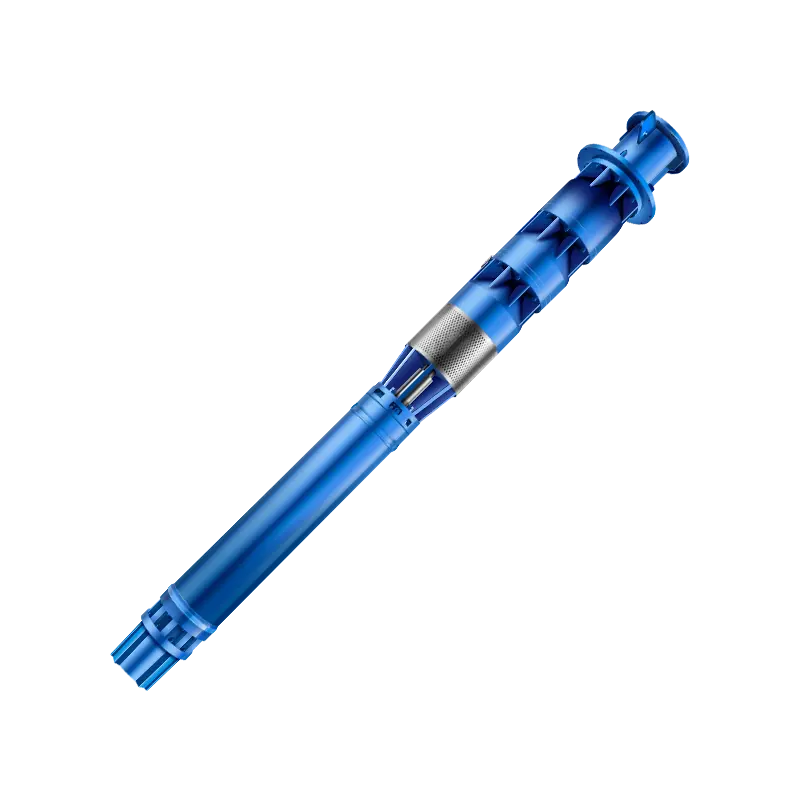
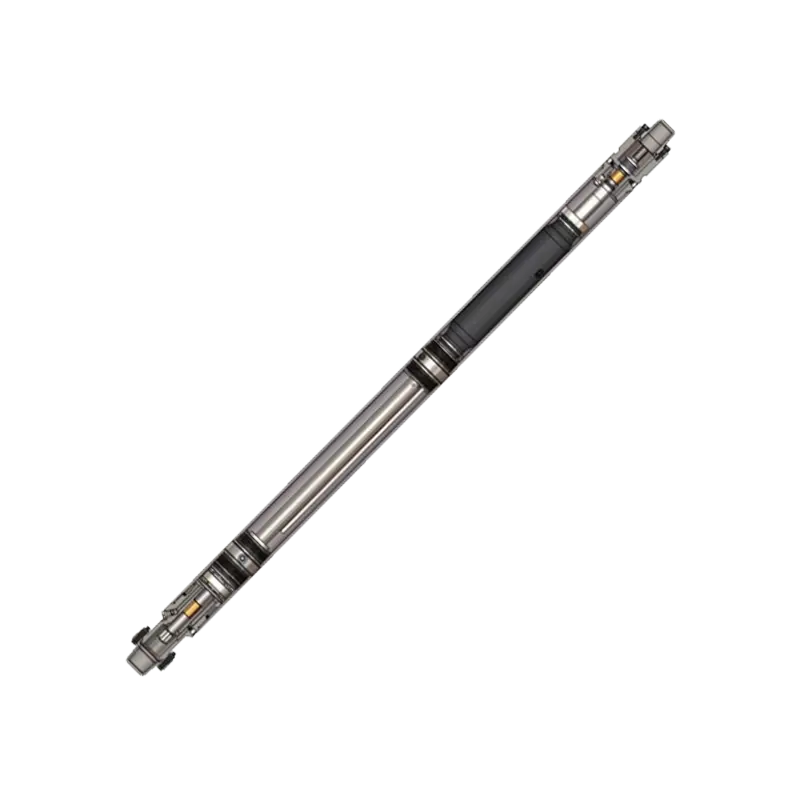
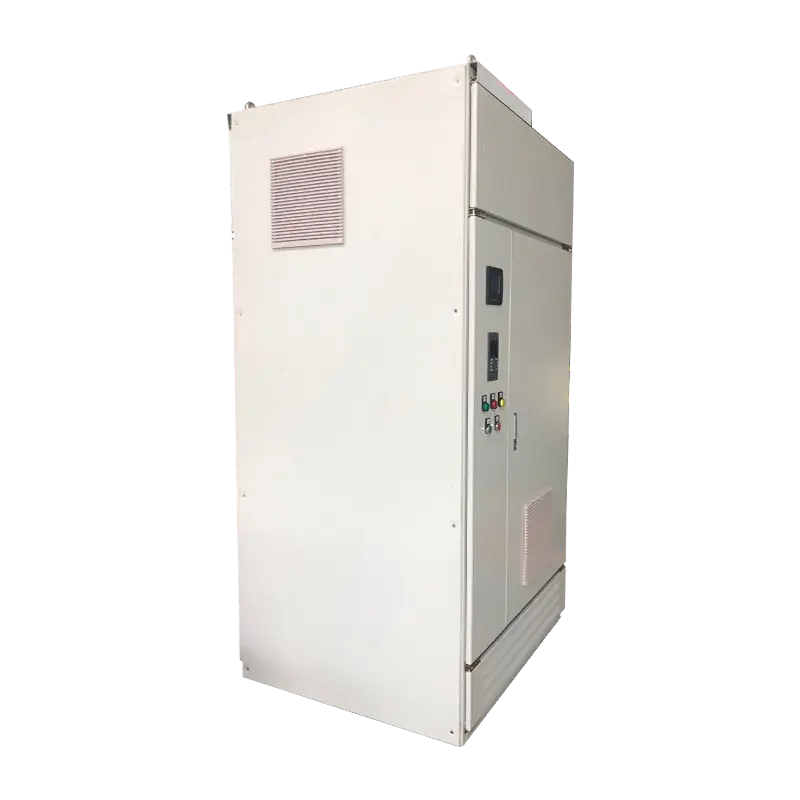
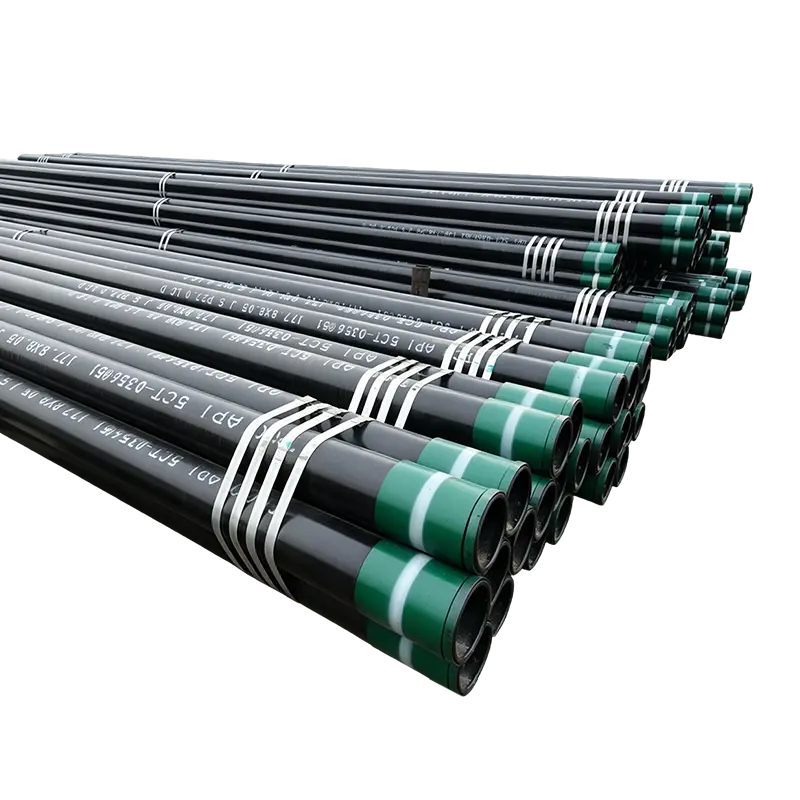

Mine Pit Dewatering Submersible Pump technology plays a critical role in controlling groundwater, rainwater, sediment, and accumulated water in demanding mining environments. Aote develops heavy-duty submersible pumping solutions for open-pit and underground applications, combining robust hydraulic performance, wear-resistant construction, reliable sealing, and flexible installation to support continuous mine drainage.
Effective mine dewatering is essential for maintaining production continuity, protecting equipment, and controlling water-related risks. Unlike conventional surface-mounted systems, a submersible pump operates directly inside the water, reducing priming requirements and simplifying deployment in deep pits, sumps, tunnels, and confined areas. A suitable mine dewatering system must account for flow demand, lifting head, water quality, suspended solids, abrasiveness, corrosion, installation depth, and operating conditions. This guide explains how submersible mine pumps work, their major advantages, application scenarios, installation options, and the factors buyers should evaluate before selecting equipment.
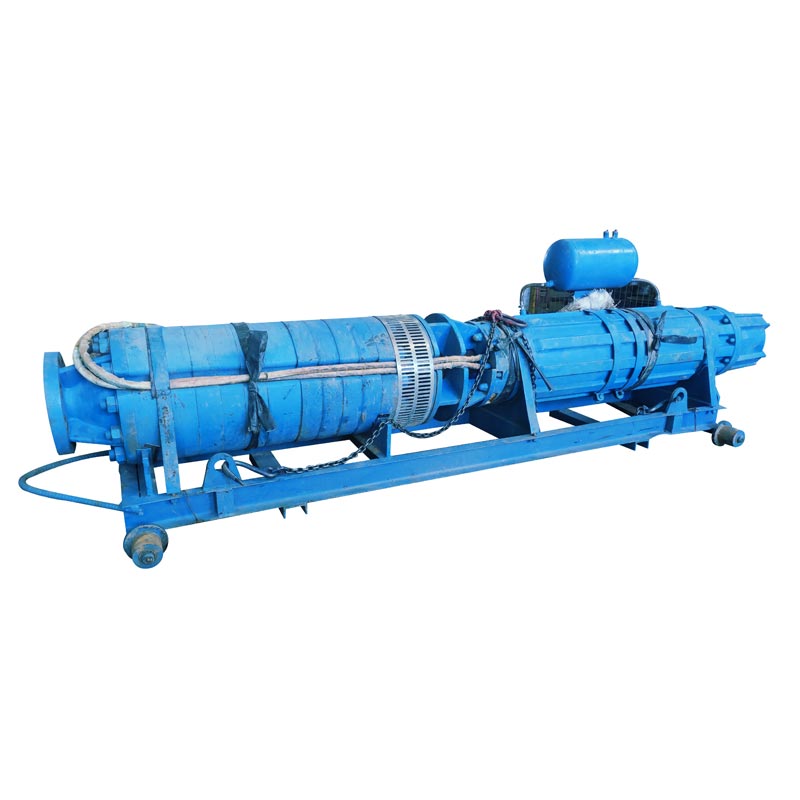
Table of Contents
- What Is a Mine Pit Dewatering Submersible Pump?
- How Does a Submersible Mining Pump Work?
- What Features Matter in Mine Dewatering?
- What Technical Factors Should Buyers Consider?
- Where Are Mine Dewatering Submersible Pumps Used?
- Which Installation Method Is Suitable?
- Why Consider Aote for Mining Dewatering Solutions?
- Frequently Asked Questions
What Is a Mine Pit Dewatering Submersible Pump?
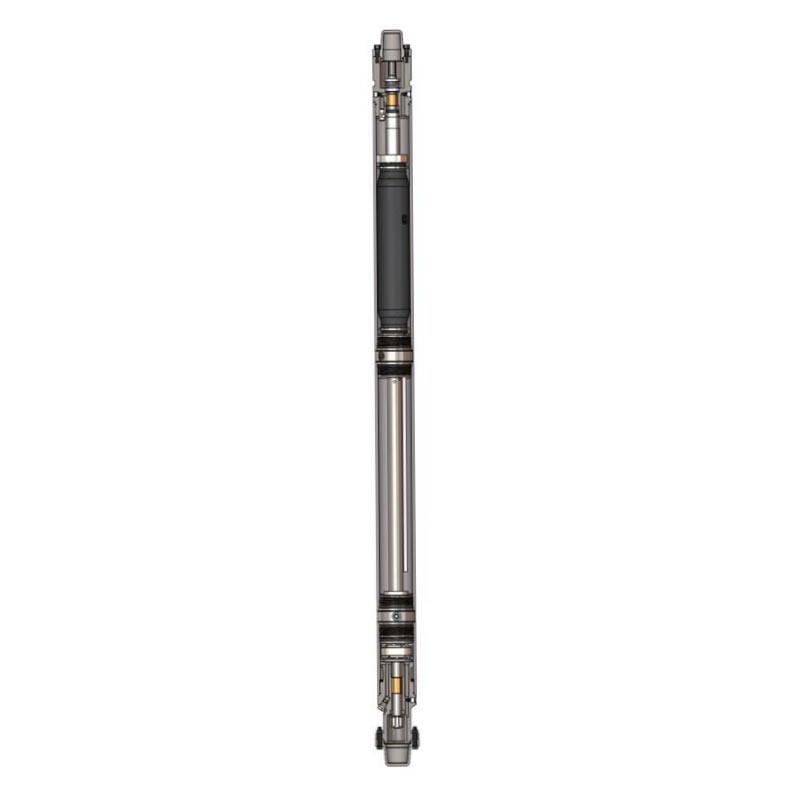
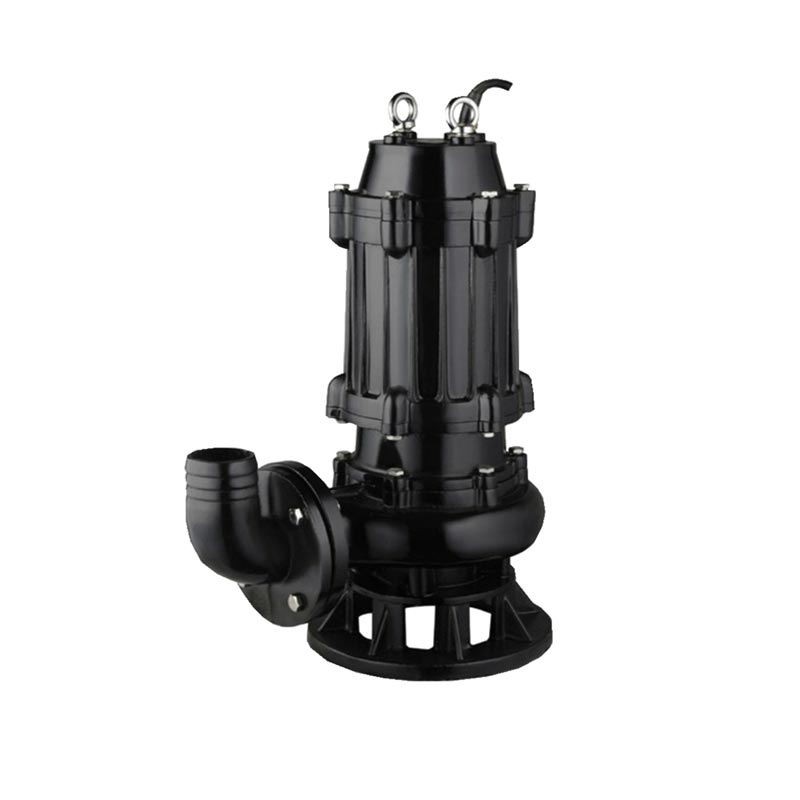
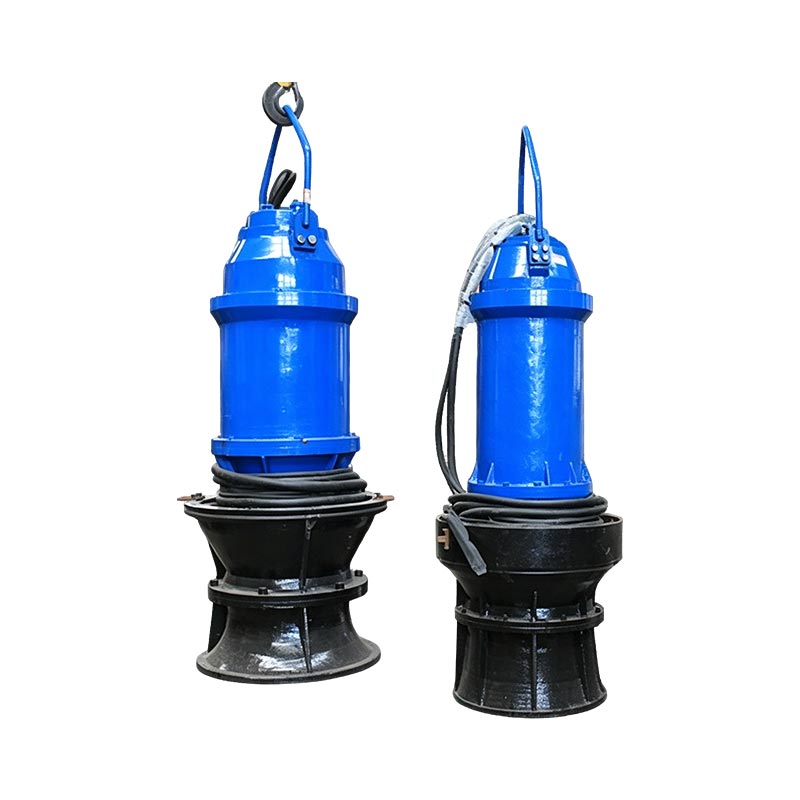
A Mine Pit Dewatering Submersible Pump is a heavy-duty pumping system designed to remove accumulated water from open-pit mines, underground mining areas, sumps, shafts, tunnels, quarries, and other excavation environments. The pump is placed directly into the water and uses a submersible motor and hydraulic assembly to transfer water to a designated discharge location.
Mining water is rarely clean. It may contain sand, clay, rock particles, sludge, mineral residues, or other suspended solids. This makes pump selection more demanding than ordinary water-transfer applications. Hydraulic components, sealing systems, shaft assemblies, and casing materials must be selected according to the actual operating environment.
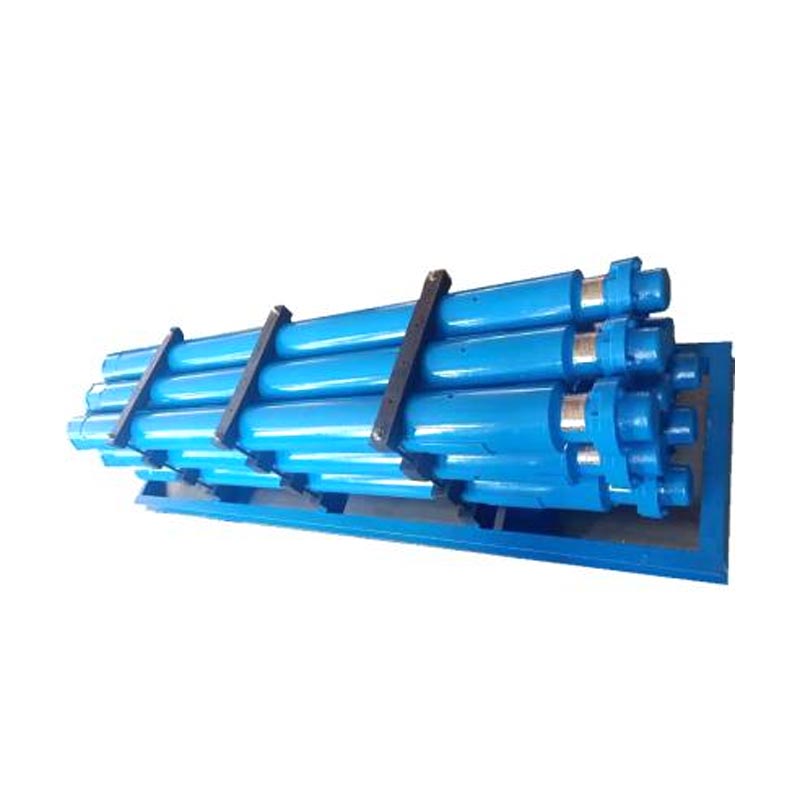
For large-scale applications, Aote's submersible mining pump range can be configured for different flow, head, motor power, voltage, frequency, and material requirements. The broader product range covers flow capacities from 80 m³/h to 2,200 m³/h and heads up to 1,700 m, depending on the selected configuration.
How Does a Submersible Mining Pump Work?
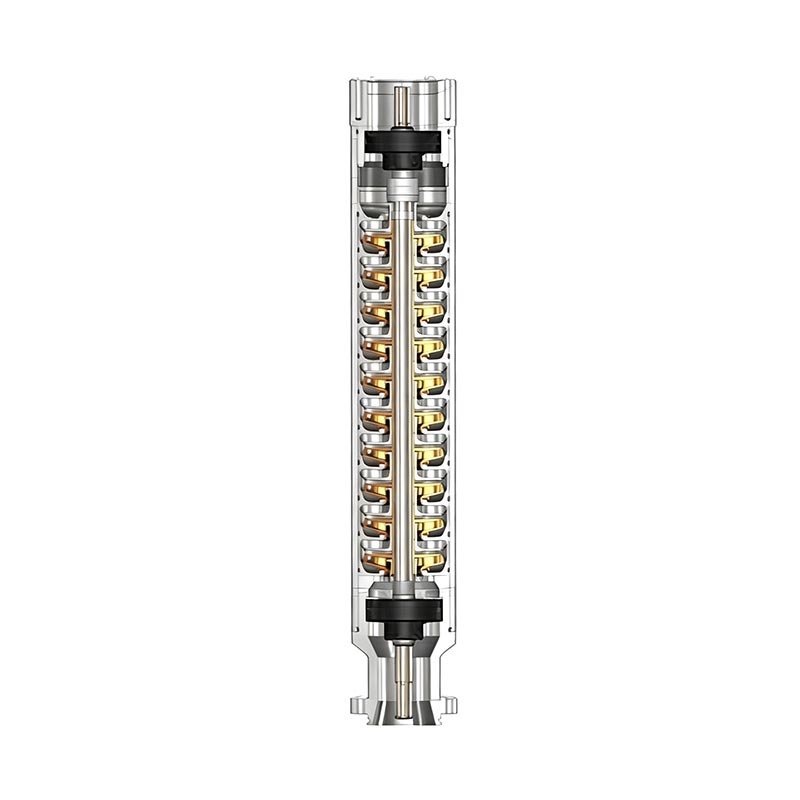
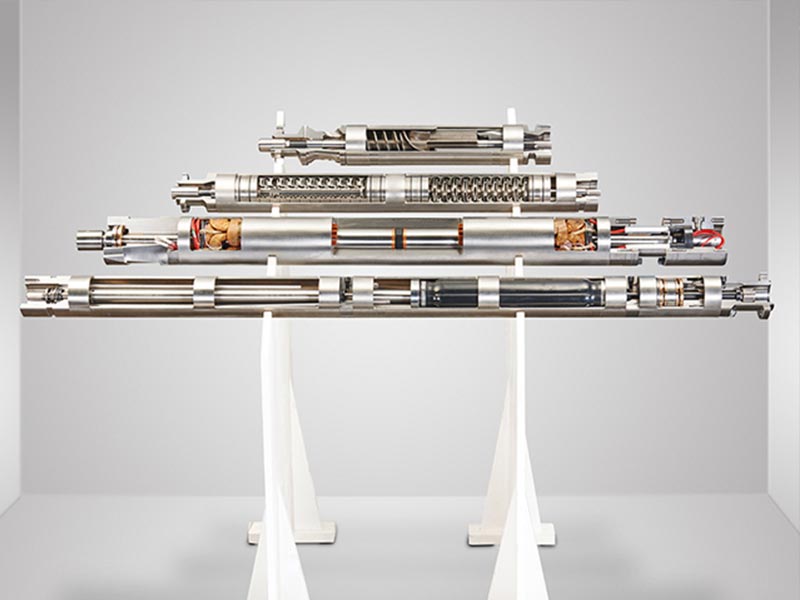
The basic working principle is straightforward: the pump is submerged in the water source, the motor drives the impeller, and the rotating hydraulic components generate pressure to move water through the discharge pipeline.
- Water enters the pump: Mine water flows into the suction section of the submerged pump.
- The impeller generates hydraulic energy: The motor rotates the impeller, increasing the velocity and pressure of the water.
- The casing converts velocity into pressure: The hydraulic passage directs water toward the discharge outlet.
- Water is lifted through the pipeline: The generated head allows water to be transported from the pit or sump to the required discharge point.
Because the pump is installed directly in the water, a separate surface priming process is generally unnecessary. This can be particularly useful where mine pits are deep or where available installation space is limited.
What Features Matter in Mine Dewatering?
High-Efficiency Hydraulic Performance
Efficient hydraulic design helps move large volumes of water while maintaining stable discharge performance. Correct impeller selection is especially important because flow and head requirements vary considerably between shallow pits, deep mine shafts, and long-distance drainage systems.
Wear-Resistant Construction
Abrasive particles can accelerate wear on impellers, casings, shafts, and other hydraulic components. Depending on water chemistry and particle content, suitable configurations may use high-chromium materials, ductile iron, cast steel, stainless steel, duplex stainless steel, bronze alloys, or other engineered materials.
Reliable Sealing
Since the motor and hydraulic assembly operate underwater, sealing is a fundamental part of pump reliability. A properly engineered sealing system helps protect critical internal components from water ingress and supports longer operating cycles.
Continuous-Duty Capability
Mining drainage is often a continuous process rather than an occasional pumping task. Robust motor cooling, structural strength, appropriate materials, and stable hydraulic performance help the equipment operate during extended dewatering cycles.
Flexible Deployment
Submersible construction allows equipment to be positioned closer to the water source. This can simplify installation in temporary drainage areas, underground sumps, emergency flood zones, and changing mine layouts.
What Technical Factors Should Buyers Consider?
Selecting a mining pump solely according to motor power can lead to poor system performance. Buyers should evaluate the complete operating point and site conditions before confirming a model.
| Selection Factor | Why It Matters | Typical Consideration |
|---|---|---|
| Flow Rate | Determines how quickly accumulated water can be removed | m³/h or L/s |
| Head | Defines the required vertical lift and pressure capability | Static head + pipeline losses |
| Solid Content | Influences abrasion and hydraulic component selection | Sand, sludge, ore particles |
| Water Chemistry | Determines corrosion resistance requirements | pH, salinity, mineral composition |
| Temperature | Affects motor cooling, sealing, and material selection | Actual operating temperature |
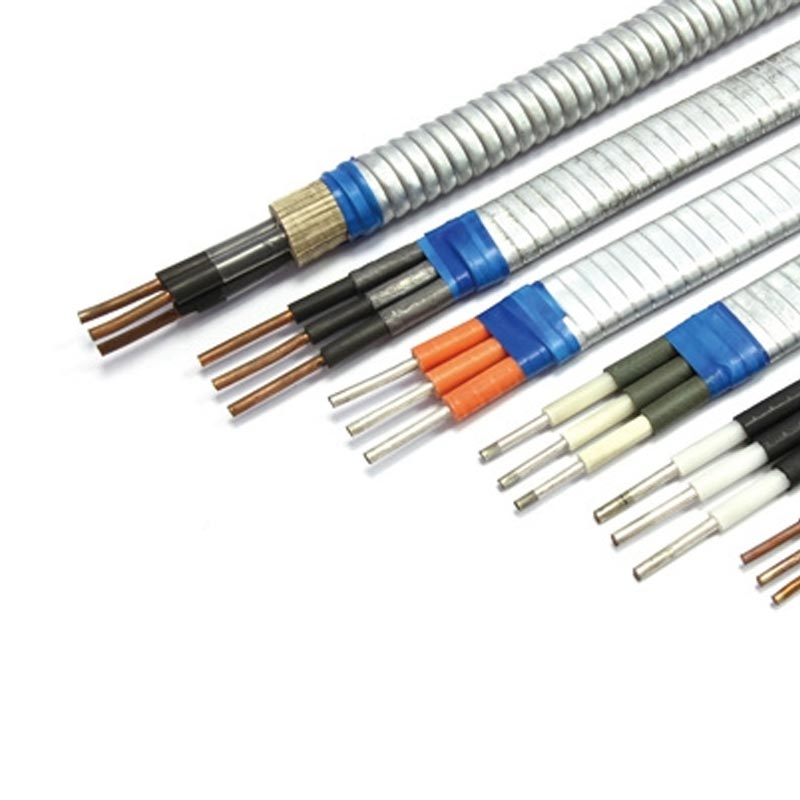
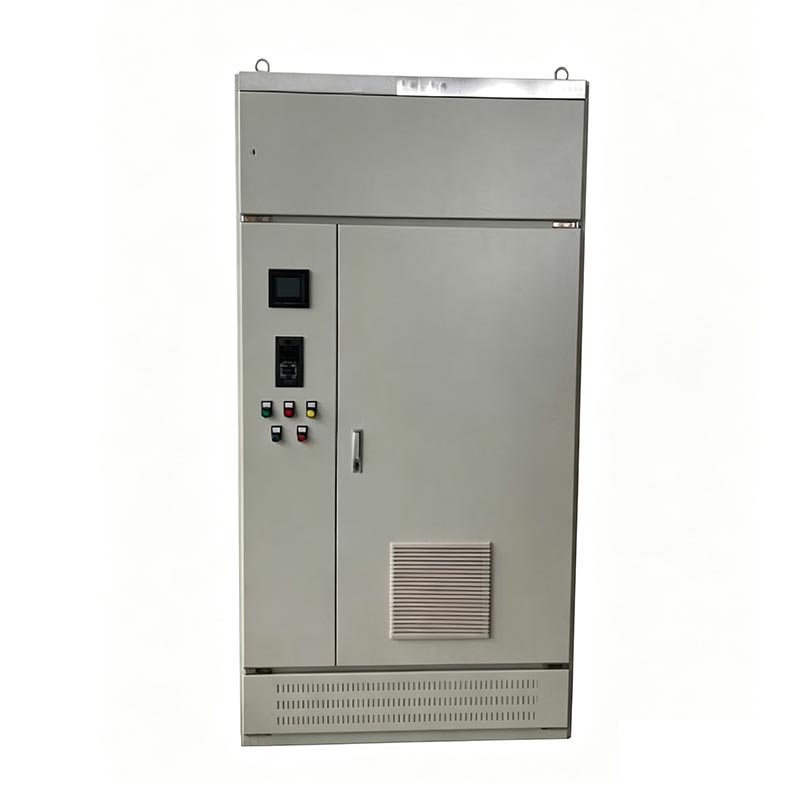
| Power & Voltage | Must match the available electrical infrastructure | Motor power, voltage, frequency |
| Installation Conditions | Influence positioning, lifting, maintenance, and access | Sump, pit, shaft, tunnel |
For example, a pump handling relatively clean groundwater may require a different material configuration from one continuously processing abrasive water containing sand and mineral particles. Understanding the medium before purchasing can therefore reduce premature component wear and unnecessary maintenance.
Where Are Mine Dewatering Submersible Pumps Used?
A properly configured submersible drainage system can support a wide range of mining and excavation operations, including:
- Open-pit mining: Removes groundwater and accumulated rainwater from large excavation areas.
- Underground mining: Supports drainage from sumps, tunnels, shafts, and underground working areas.
- Coal mining: Handles accumulated water in underground drainage systems and mine sumps.
- Metal mining: Suitable for drainage requirements in copper, gold, iron, tin, and other mineral operations.
- Quarry operations: Helps control groundwater and rainfall in deep quarry excavations.
- Construction excavation: Provides water control for deep foundations, tunnels, and large excavation projects.
- Emergency drainage: Can be deployed when sudden water accumulation requires rapid removal.
The pump's ability to operate directly in water makes it useful when drainage locations change as excavation progresses. Temporary or mobile configurations can also be relocated between working zones when required.
Which Installation Method Is Suitable?
Vertical Submersible Installation
The pump can be lowered directly into a mine pit or sump using suitable lifting equipment, guide arrangements, or lifting chains. This configuration is useful where regular inspection or removal is required.
Fixed Sump Installation
For permanent drainage infrastructure, the pump can be installed at the bottom of a dedicated sump. This arrangement is suitable for long-term water management systems where the pumping point remains relatively stable.
Mobile or Portable Deployment
Temporary drainage projects may require equipment to move between different mine areas. A mobile configuration provides greater flexibility for seasonal rainfall, changing excavation levels, or emergency water removal.
Regardless of the configuration, installation planning should consider lifting access, discharge pipe routing, electrical supply, water depth, sediment accumulation, maintenance access, and operating safety procedures.
Why Consider Aote for Mining Dewatering Solutions?
Aote Tianjin Pump Co., Ltd. focuses on the research, design, and manufacturing of submersible pump systems for demanding industrial applications. Its submersible mining pump solutions are designed around actual operating parameters rather than a one-size-fits-all configuration.
Depending on project requirements, pump systems can be configured around factors such as:
- Required flow capacity and delivery head
- Motor power, voltage, and operating frequency
- Water temperature and chemical composition
- Suspended solids and abrasive particle content
- Corrosion and wear resistance requirements
- Open-pit or underground installation conditions
- Permanent, temporary, or emergency drainage requirements
Aote also provides technical consultation, installation guidance, commissioning support where applicable, spare-parts assistance, maintenance recommendations, and troubleshooting support. These services can help mining contractors evaluate the complete pumping system instead of treating the pump as an isolated component.
For buyers comparing a submersible mining pump with conventional surface-mounted equipment, the key consideration is the complete duty requirement: required flow, total head, water characteristics, installation depth, operating duration, and maintenance conditions should all be evaluated together.
Frequently Asked Questions
Q1: Can a Mine Pit Dewatering Submersible Pump handle muddy water?
Yes. Mining dewatering pumps can be configured for water containing suspended solids, sediment, sand, and abrasive mineral particles. Material and hydraulic component selection should be based on the actual concentration and characteristics of the solids.
Q2: Can a submersible mining pump be used in underground mines?
Yes. Its submerged operating design makes it suitable for underground sumps, drainage chambers, tunnels, and shafts where conventional surface installation may be difficult.
Q3: How do I choose the correct pump capacity?
Start with the required flow rate and total dynamic head. Then evaluate water quality, solids content, temperature, electrical supply, pipeline diameter, discharge distance, and expected operating hours. A pump supplier can use these parameters to recommend a suitable hydraulic and motor configuration.
Q4: What materials are suitable for abrasive mine water?
Material selection depends on the specific medium. High-chromium alloys, wear-resistant cast materials, stainless steel, duplex stainless steel, and other engineered materials may be considered for different combinations of abrasion and corrosion.
Q5: Can the pump be used for emergency mine drainage?
Yes. Portable or relocatable submersible configurations can be useful for emergency drainage, particularly when water accumulates rapidly in pits, excavation areas, or underground working zones. The required emergency flow and head should be determined before selecting the equipment.
Conclusion
Reliable mine water control depends on matching pump performance with real site conditions. A submersible design can simplify deployment by operating directly in the water, while wear-resistant components, dependable sealing, appropriate hydraulic sizing, and customized material selection help address the challenges of abrasive and sediment-laden mine water. If you are planning a new drainage system, upgrading existing equipment, or preparing for high-volume mine water removal, share your flow, head, water characteristics, installation conditions, and electrical requirements with Aote. Contact us for professional pump selection, customized configuration, technical consultation, and a mining dewatering solution aligned with your project requirements.