
Aote Tianjin Pump Co., Ltd.
News

News

How Does a Submersible Axial Flow Pump Improve High-Flow Water Transfer?

2026-08-28 0 Leave me a message

Article Summary: A Submersible Axial Flow Pump is engineered for applications that require large water volumes at relatively low heads. By integrating the pump and motor into a compact submerged unit, this pumping technology can simplify installation, reduce the footprint of pumping stations, improve motor cooling, and provide dependable performance in flood control, drainage, irrigation, industrial water transfer, and municipal projects. This guide explains the working principle, construction, advantages, selection factors, installation considerations, maintenance requirements, and common applications so project owners and engineers can make a more informed equipment decision.

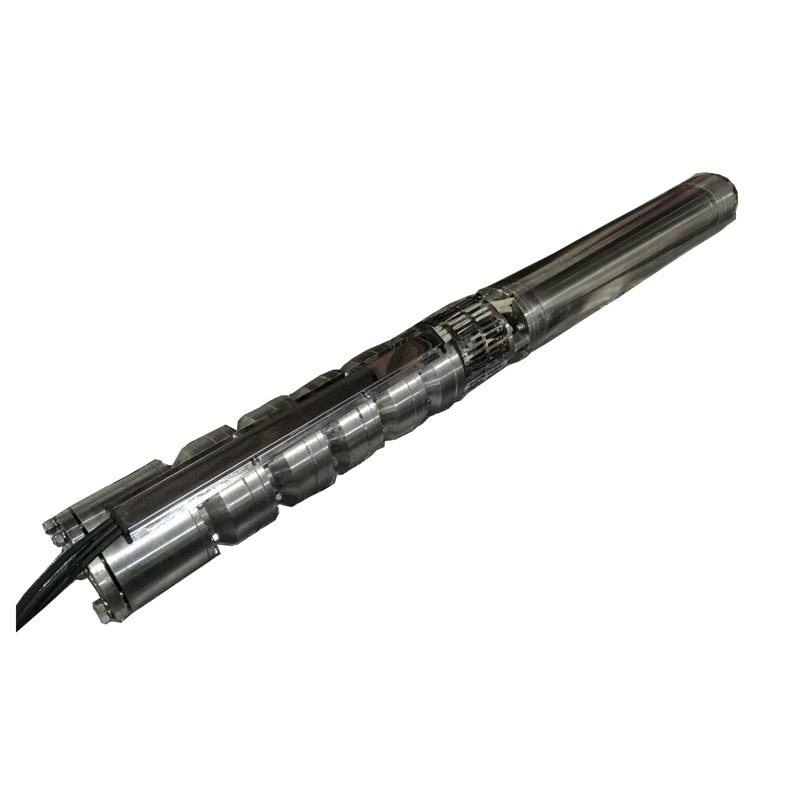
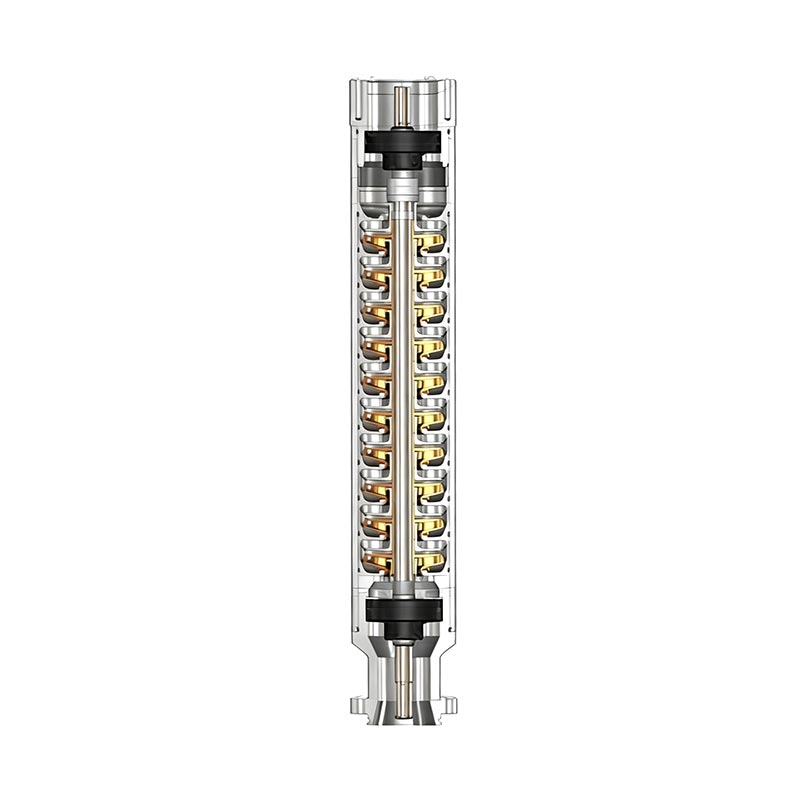
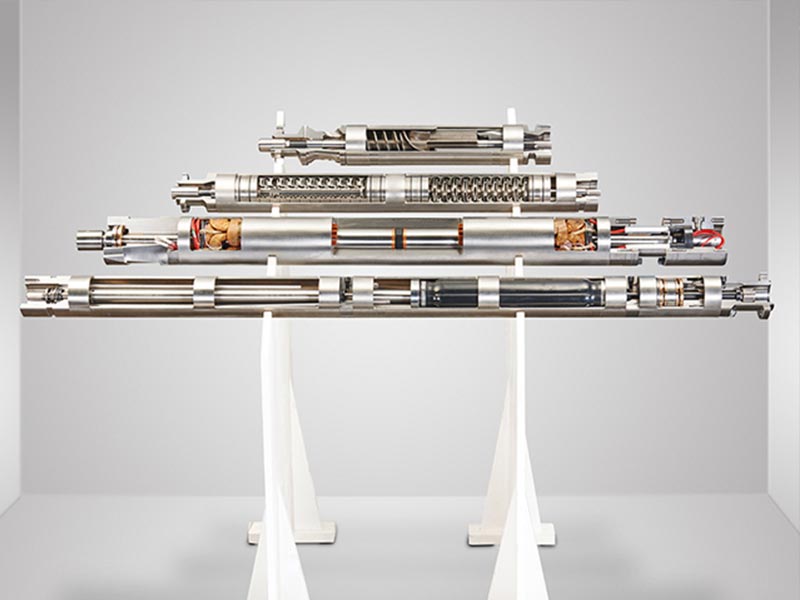
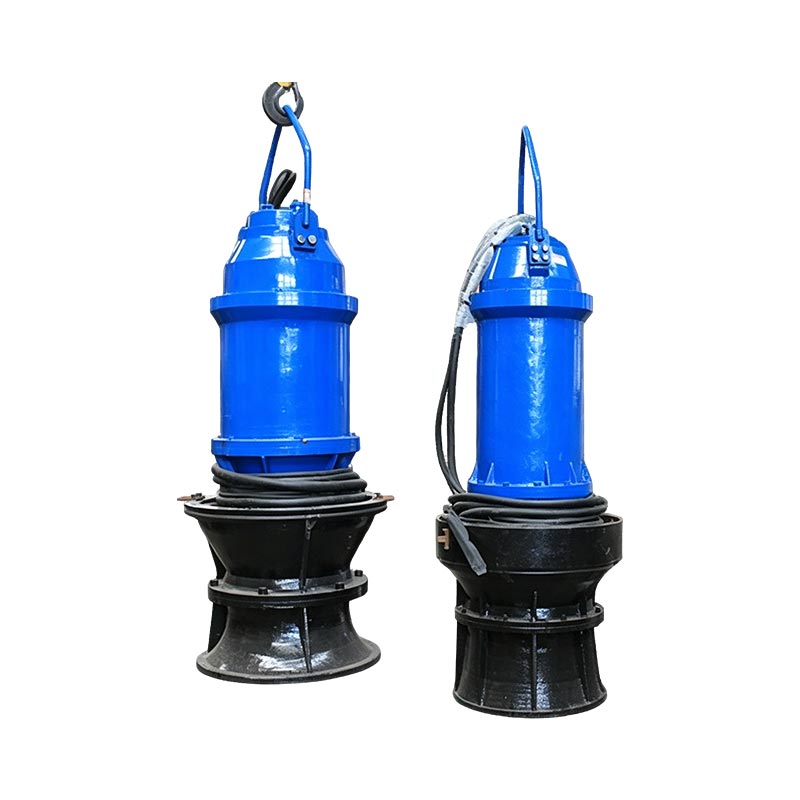
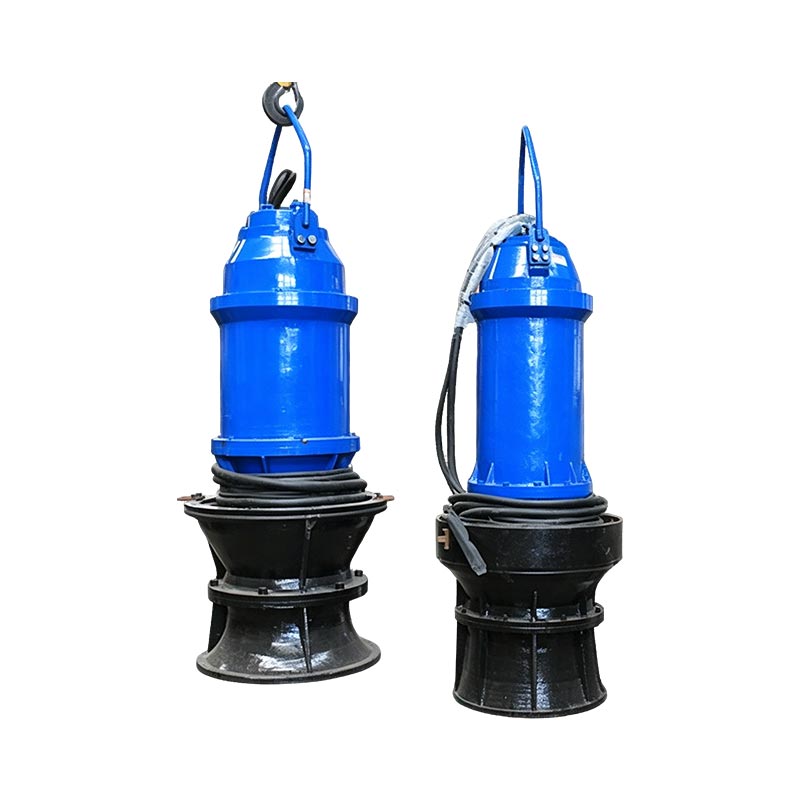
Large Flow Submersible Axial Flow Pump


Article Outline

For engineers, contractors, municipal authorities, industrial operators, and agricultural project owners, choosing a large-flow pump is not simply a matter of selecting the largest available motor. The pumping system must match the required flow rate, total dynamic head, water quality, operating environment, installation structure, power supply, and expected duty cycle.

  • Understand the hydraulic role of axial flow pumping.
  • Identify why submersible construction can simplify pumping station design.
  • Evaluate pump capacity according to actual project conditions.
  • Reduce installation and maintenance risks through proper planning.
  • Choose suitable materials, protection systems, and monitoring functions.
  • Match the pump configuration with the water transfer application.

What Is a Submersible Axial Flow Pump?

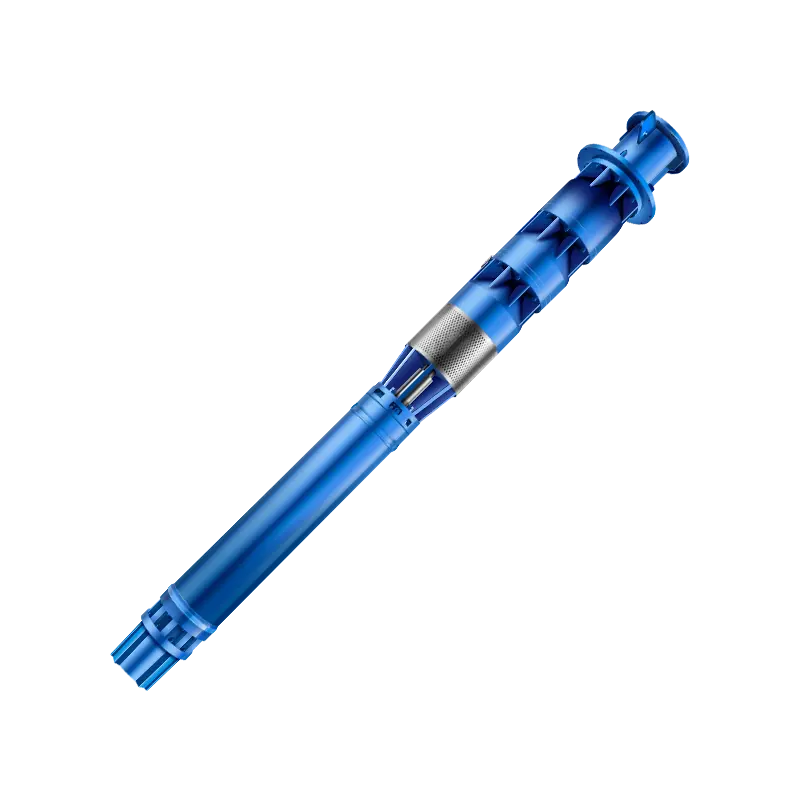
A Submersible Axial Flow Pump is a high-capacity pumping machine designed primarily to move large quantities of water through relatively low lifting heads. Unlike conventional centrifugal pumps that generally rely on radial water movement, an axial flow pump uses a propeller-type impeller to move water substantially parallel to the pump shaft.

This hydraulic configuration makes axial flow technology particularly appropriate when the project requires high flow rather than high pressure. Typical examples include flood drainage, irrigation channels, stormwater pumping, cooling-water circulation, river water transfer, and municipal drainage.

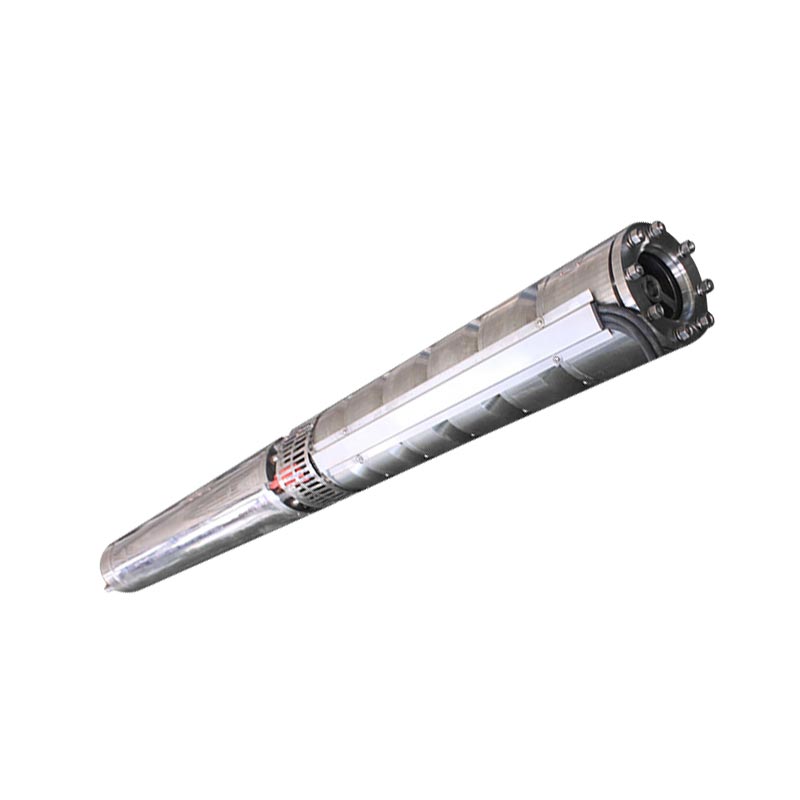
The word “submersible” describes the installation arrangement. The pump and electric motor are combined into one unit and operate below the water surface. This eliminates many of the mechanical alignment requirements associated with separately installed pump and motor assemblies.

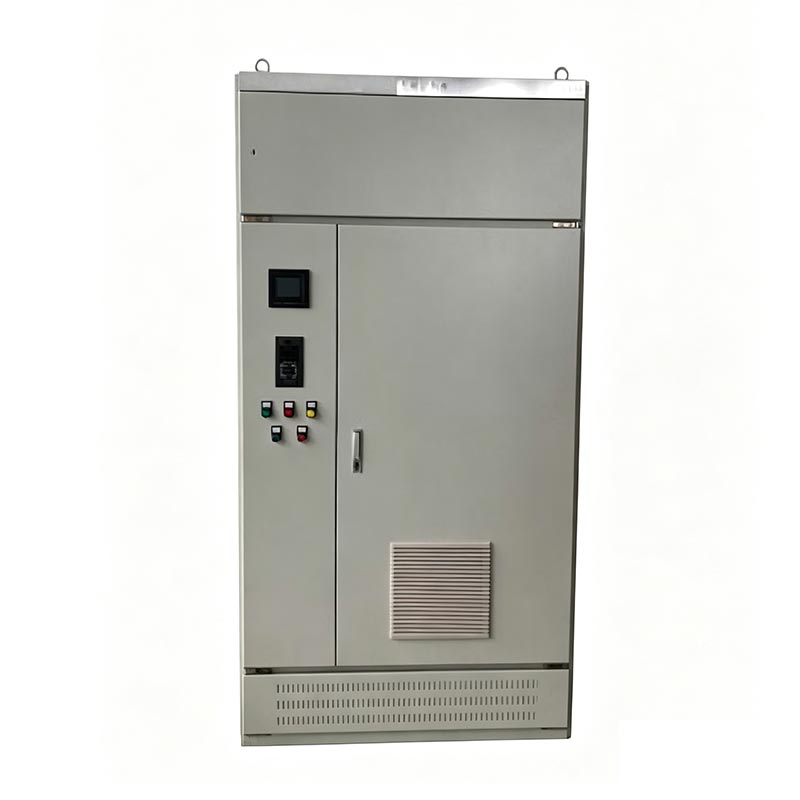
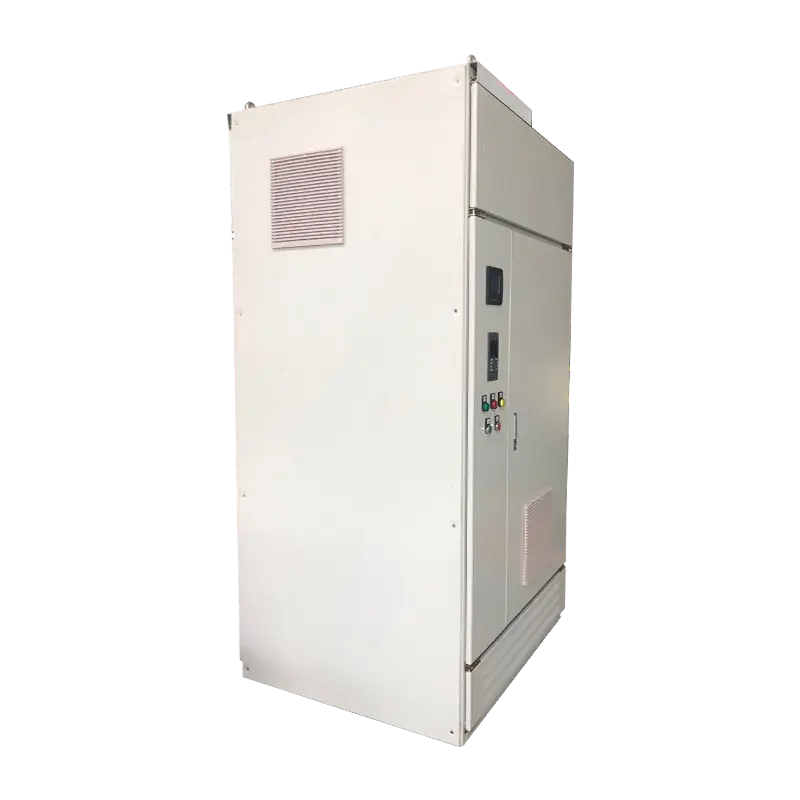
Modern submersible axial flow equipment can incorporate sealed motors, mechanical seals, leakage detection, winding temperature monitoring, bearing temperature monitoring, and control-cabinet protection. These features help operators manage equipment operating underwater while reducing unnecessary manual intervention.

Important operating principle: Axial flow pumps are normally selected for high-flow, low-head duties. If an application requires significantly higher pressure or lifting height, a radial-flow or mixed-flow configuration may be more appropriate.


How the Pumping System Works

The operating process begins when water enters the pump intake. The motor rotates the shaft and propeller-style impeller, generating axial hydraulic force that moves water through the pump and into the discharge passage.

Because the motor is submerged, the surrounding water can assist with heat dissipation. This is particularly valuable during long operating cycles because motor temperature management is an important factor in electrical equipment reliability.

The integrated configuration also removes the need for a long exposed shaft between a surface-mounted motor and a submerged pump. Fewer external mechanical transmission components can mean fewer alignment-related concerns and a more compact installation arrangement.

  1. Water enters the intake zone: The hydraulic design directs water toward the rotating impeller.
  2. The motor drives the impeller: Electrical energy is converted into rotational mechanical energy.
  3. The impeller generates axial thrust: Large water volumes are pushed through the pump passage.
  4. Water moves toward the discharge: The flow is directed into the outlet channel, pipe, or pumping-station system.
  5. Protection systems monitor operation: Sensors can identify abnormal leakage, temperature conditions, or other operating risks.

The actual hydraulic performance depends on the impeller geometry, rotational speed, blade configuration, pump diameter, water conditions, system head, and operating point. Therefore, a pump should always be selected from verified performance data rather than from motor power alone.


Main Components and Construction

A reliable Submersible Axial Flow Pump is more than an impeller and motor. Its performance depends on the interaction between hydraulic components, electrical protection, sealing systems, bearings, cables, and the supporting installation structure.

Component Primary Function Why It Matters
Submersible Motor Provides rotational power Must withstand continuous submerged operation and thermal loads.
Axial Flow Impeller Generates high-volume water movement Determines much of the pump's hydraulic behavior.
Mechanical Seals Prevent water ingress Seal integrity is critical to motor protection.
Bearings Support rotating components Improper bearing conditions can lead to vibration and premature wear.
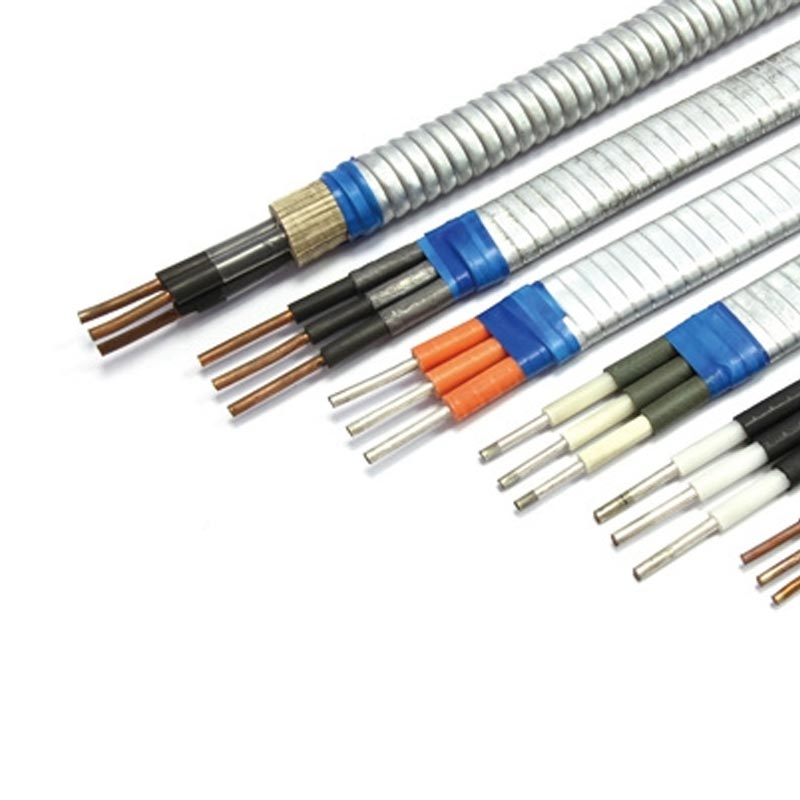
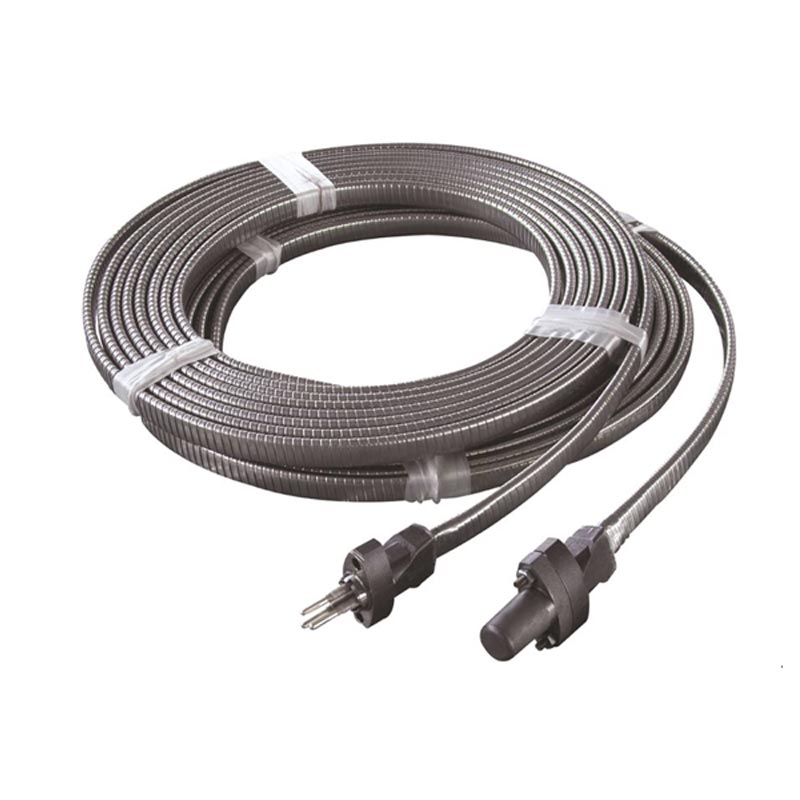
Power Cable Supplies electrical power Requires suitable insulation and protection for submerged service.
Monitoring Sensors Detect abnormal operating conditions Early warnings can reduce equipment damage and downtime.

Key Advantages for Modern Pumping Projects

Project owners often face the same practical challenges: limited installation space, rising construction costs, fluctuating water levels, difficult maintenance access, and the need to remove large quantities of water quickly. A properly selected Submersible Axial Flow Pump can address several of these concerns simultaneously.

1. High flow at low head

The axial flow configuration is naturally suited to moving large volumes where the required head is relatively modest. This makes it an effective choice for drainage and water-transfer duties where throughput is more important than high discharge pressure.

2. Compact installation

The pump and motor are integrated into one submerged assembly. This can reduce the amount of above-ground machinery and simplify the overall pumping-station arrangement.

3. Simplified mechanical installation

A conventional pump system may require careful alignment between separate pump and motor components. An integrated submersible unit reduces the number of external mechanical interfaces that must be aligned during installation.

4. Effective motor cooling

The surrounding water provides a substantial heat-transfer medium. Properly designed submerged motors can therefore achieve effective cooling during continuous operation.

5. Lower operating noise

Submerged operation naturally isolates much of the mechanical noise. This can be advantageous for urban drainage stations, underground installations, and facilities located near populated areas.

6. Better adaptation to fluctuating water levels

Flood-control and drainage facilities frequently experience changing water levels. Submersible configurations can be especially practical where conventional above-water equipment would be exposed to flooding risk.

7. Potentially lower civil construction requirements

A compact pump arrangement can reduce the structural space required for certain pumping stations. The actual construction savings depend on project geometry, civil design, discharge arrangement, and local installation conditions.


Typical Applications

The versatility of axial flow pumping makes this technology useful across municipal, industrial, agricultural, and environmental water-management projects.

  • Flood control: Rapid removal of stormwater from low-lying areas.
  • Municipal drainage: Large-volume wastewater and rainwater transfer.
  • Agricultural irrigation: Water transfer from rivers, reservoirs, canals, and other sources.
  • Industrial water systems: Raw-water transfer, process-water circulation, and drainage.
  • Power plant systems: Cooling-water circulation and auxiliary drainage applications.
  • Mining: Drainage of large quantities of accumulated water where site conditions permit.
  • Shipyards: Large-volume drainage and water transfer operations.
  • River and lakeside stations: Water-level management and transfer between water bodies.
  • Aquaculture: Large-volume water circulation and exchange where the water quality is compatible with the pump design.

Application suitability should always be confirmed against actual liquid characteristics. Temperature, pH, suspended solids, corrosive components, debris, and other contaminants can influence material selection and operating reliability.


Key Factors for Pump Selection

Selecting a pump solely according to the required flow rate is one of the most common causes of poor system performance. The complete hydraulic and operating environment should be evaluated before finalizing the specification.

Selection Factor Questions to Evaluate
Flow Rate What volume must be transferred per hour or per second?
Total Head What static and friction losses must the pump overcome?
Water Quality Are there suspended solids, corrosive substances, fibers, or abrasive particles?
Temperature Does the liquid temperature remain within the manufacturer's permitted range?
Operating Cycle Will the pump run continuously, intermittently, or only during emergency events?
Power Supply What voltage, frequency, starting method, and control arrangement are available?
Installation Depth How deep will the pump operate, and what lifting equipment is available?
Intake Conditions Is the intake protected from excessive debris, vortex formation, and unfavorable flow patterns?

Hydraulic calculations should consider the actual system curve rather than relying on nominal values. The best operating point is generally one where the pump can provide the required duty without excessive throttling, unstable operation, vibration, or unnecessary energy consumption.


Submersible Axial Flow Pump vs. Conventional Pump Units

Both submersible and conventional pumping systems can provide reliable water transfer when properly engineered. The difference lies primarily in how the equipment is installed and how the motor, pump, cooling, and supporting infrastructure are arranged.

Consideration Submersible Axial Flow Pump Conventional Pump Arrangement
Motor Location Submerged with the pump Usually installed separately
Installation Footprint Compact Often larger
Shaft Alignment Integrated assembly reduces external alignment requirements May require careful pump-motor alignment
Motor Cooling Surrounding water can provide cooling Usually uses air or another dedicated cooling arrangement
Flood Exposure Designed for submerged operation Surface equipment may require additional flood protection

The correct choice depends on the site. A conventional pump can remain preferable where easy surface access, very high head, or specific process requirements dominate. A submersible axial flow configuration becomes especially attractive when high flow, low head, compact construction, and fluctuating water levels are central project requirements.


Installation Considerations

Proper installation is essential because even a well-designed pump can suffer from poor performance if the intake arrangement or discharge system is incorrectly configured.

  1. Inspect the installation chamber: Remove construction debris and foreign objects that could enter the pump.
  2. Check the intake geometry: The inlet should provide stable and reasonably uniform flow into the pump.
  3. Confirm the minimum submergence: The pump should operate at the manufacturer's specified water level.
  4. Protect the power cable: Prevent sharp bends, abrasion, uncontrolled movement, and mechanical damage.
  5. Use appropriate lifting equipment: Submersible units can be heavy, so lifting points and equipment must be correctly rated.
  6. Verify electrical protection: Confirm grounding, overload protection, leakage monitoring, and control functions before startup.
  7. Check rotation and commissioning conditions: Follow the manufacturer's commissioning procedure before placing the pump into normal duty.

Intake design deserves particular attention. Poor inflow conditions can create vortices, uneven loading, turbulence, or excessive entrainment of air and debris. These conditions may reduce hydraulic performance and increase vibration or wear.


Maintenance and Reliability Practices

Submersible equipment is designed for demanding environments, but submerged operation does not mean maintenance can be ignored. Preventive inspection is still necessary to protect electrical insulation, seals, bearings, hydraulic components, and cables.

A practical maintenance program should include:

  • Checking motor insulation condition according to the manufacturer's maintenance procedure.
  • Inspecting the power cable for cuts, abrasion, or deterioration.
  • Monitoring leakage detection signals and mechanical seal condition.
  • Checking motor winding and bearing temperature trends.
  • Inspecting impeller blades for erosion, corrosion, fouling, or physical damage.
  • Checking abnormal vibration, noise, current draw, and changes in flow.
  • Inspecting intake screens and removing accumulated debris.
  • Reviewing operating records to identify gradual performance deterioration.

Performance monitoring is particularly valuable for large installations. A gradual increase in power consumption accompanied by declining flow can indicate hydraulic fouling, impeller damage, increased system resistance, or operation away from the intended duty point.

Maintenance reminder: Always follow the specific manufacturer's installation, inspection, lubrication, electrical, and lifting instructions. Maintenance intervals should be adapted to operating hours, water quality, environmental conditions, and actual equipment history.
Common Operating Problems and Solutions

Observed Problem Possible Causes Recommended Checks
Insufficient Flow Blocked intake, incorrect operating point, damaged impeller, excessive system resistance Check intake, discharge conditions, impeller, and system head.
Excessive Vibration Debris, hydraulic instability, bearing problems, mechanical damage Inspect hydraulic passage, bearings, impeller, and mounting arrangement.
High Motor Temperature Insufficient submergence, overload, abnormal operating condition Verify water level, current, duty point, and cooling conditions.
Repeated Leakage Alarm Seal wear, cable entry problem, mechanical damage Stop the equipment when required and inspect the sealing system.
Higher Energy Consumption System resistance, fouling, hydraulic deterioration, unsuitable duty point Compare current operating data with commissioning baseline.

Why Consider JINAOTE?

JINAOTE focuses on submersible pumping solutions for applications where high-volume water transfer, compact installation, and dependable submerged operation are important. Its Submersible Axial Flow Pump offering is positioned for demanding water-management environments such as municipal drainage, flood control, irrigation, industrial water systems, mining drainage, shipyard projects, and power-related water applications.

The product approach combines the pump and motor into an integrated submerged assembly. Depending on the configuration and project requirements, protection features can include sealed motor construction, mechanical sealing arrangements, leakage detection, winding temperature monitoring, and bearing temperature monitoring.

JINAOTE also distinguishes between axial flow and mixed flow requirements. Axial flow configurations are generally appropriate for high-flow, lower-head duties, while mixed flow designs can be considered where the project requires greater head capability and different hydraulic characteristics.

For project procurement, the most useful starting point is not simply asking for a pump model. Instead, provide the supplier with the required flow, head, liquid temperature, water quality, solids content, installation depth, power supply, operating schedule, and installation arrangement. This information allows the supplier to evaluate the hydraulic duty and recommend a more appropriate configuration.

Project specification checklist

  • Required flow rate
  • Total dynamic head
  • Liquid temperature
  • pH and water composition
  • Suspended solids and debris conditions
  • Water level range
  • Installation method
  • Power voltage and frequency
  • Continuous or intermittent duty
  • Control and monitoring requirements

Frequently Asked Questions

1. What is a Submersible Axial Flow Pump mainly used for?

It is mainly used to move large volumes of water at relatively low heads. Common applications include flood control, municipal drainage, irrigation, industrial water transfer, cooling-water circulation, mining drainage, and river or lakeside pumping stations.

2. What is the main difference between axial flow and mixed flow pumps?

An axial flow pump primarily moves water parallel to the shaft and is generally optimized for high flow and low head. A mixed flow pump combines axial and radial hydraulic characteristics and can provide greater head capability in suitable applications.

3. Can a Submersible Axial Flow Pump operate continuously underwater?

Yes, properly designed submersible units are intended for submerged operation. However, continuous operation must remain within the manufacturer's specified water level, temperature, electrical, hydraulic, and environmental limits.

4. Why is motor cooling important in a submersible pump?

Electric motors generate heat during operation. Because the motor is submerged, surrounding water can provide effective heat transfer. Maintaining the required submergence and operating conditions is therefore important for thermal reliability.

5. What water conditions should be checked before selecting the pump?

At minimum, evaluate liquid temperature, pH, suspended solids, density, corrosive components, abrasive particles, fibers, and debris. These factors influence hydraulic performance, material selection, seal life, and maintenance requirements.

6. Does a submersible pump require a separate motor?

No. One of the defining characteristics of a submersible pumping unit is that the motor and pump are integrated into a single assembly. This can simplify mechanical installation compared with a separately mounted pump and motor.

7. How can pump efficiency be maintained over time?

Regular inspection, performance monitoring, intake cleaning, impeller inspection, electrical testing, seal checks, and vibration or temperature monitoring can help identify deterioration before it becomes a major failure.

8. Is a Submersible Axial Flow Pump suitable for flood-control projects?

Yes. High-volume, low-head water transfer is a typical use case for axial flow pumping. The submerged arrangement can also be practical in locations where water levels fluctuate significantly and surface-mounted equipment would require additional protection.

9. How should the correct pump model be selected?

Start with the required flow and total head, then evaluate liquid properties, installation depth, operating cycle, power supply, intake conditions, and control requirements. The final selection should be based on the manufacturer's verified performance data and project-specific calculations.

10. What information should be supplied when requesting a quotation?

Provide the required flow, head, liquid characteristics, water temperature, minimum and maximum water levels, installation method, electrical supply, operating hours, and any special monitoring or material requirements. Detailed information improves the accuracy of equipment selection and quotation.


Conclusion

A Submersible Axial Flow Pump is a practical solution for projects that need to transfer large quantities of water without requiring high discharge heads. Its integrated pump-and-motor configuration can simplify installation, reduce equipment footprint, support effective motor cooling, and provide a robust approach for challenging drainage and water-transfer environments.

The best results, however, depend on correct engineering. Flow rate, total head, intake conditions, water quality, operating temperature, electrical supply, submergence, and duty cycle must all be considered before equipment selection. Proper installation and preventive maintenance are equally important for maintaining hydraulic performance and long-term reliability.

For municipal drainage, flood control, irrigation, industrial water transfer, mining drainage, cooling-water systems, or other large-flow applications, JINAOTE can provide Submersible Axial Flow Pump solutions tailored to project requirements. Share your flow, head, water conditions, installation details, and operating requirements with the technical team to identify a suitable configuration and avoid costly selection errors.

Ready to Plan Your Water Transfer System?

Whether you are developing a flood-control station, irrigation project, municipal drainage system, industrial water-transfer facility, or another high-flow pumping application, choosing the right equipment at the design stage can improve reliability and reduce lifecycle risks. Contact JINAOTE today to discuss your application, technical requirements, and Submersible Axial Flow Pump solution. Contact us for professional product information and project support.

Related News
Leave me a message
X
We use cookies to offer you a better browsing experience, analyze site traffic and personalize content. By using this site, you agree to our use of cookies. Privacy Policy
RejectAccept