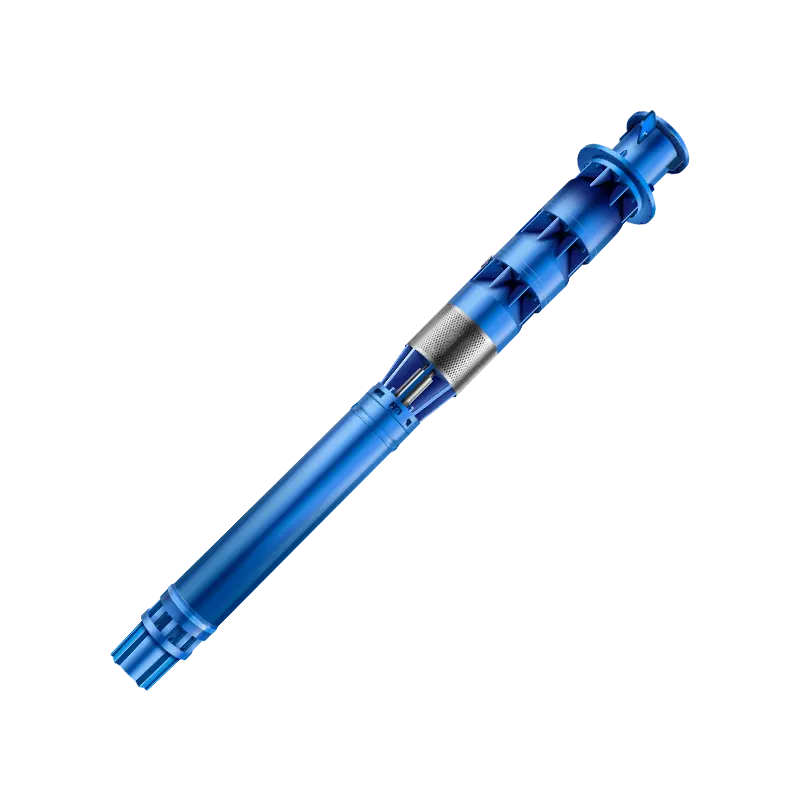
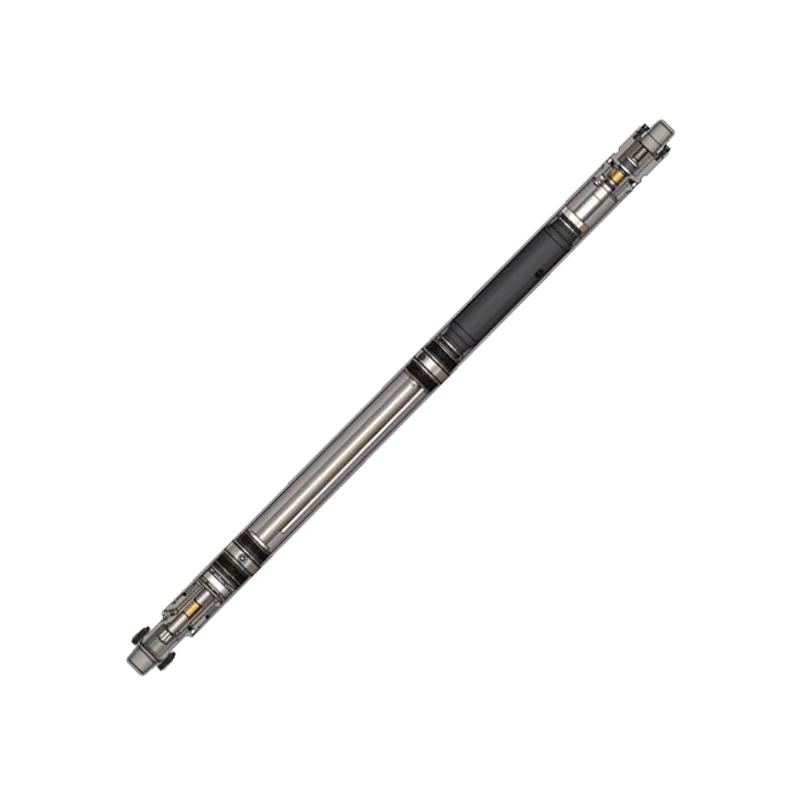
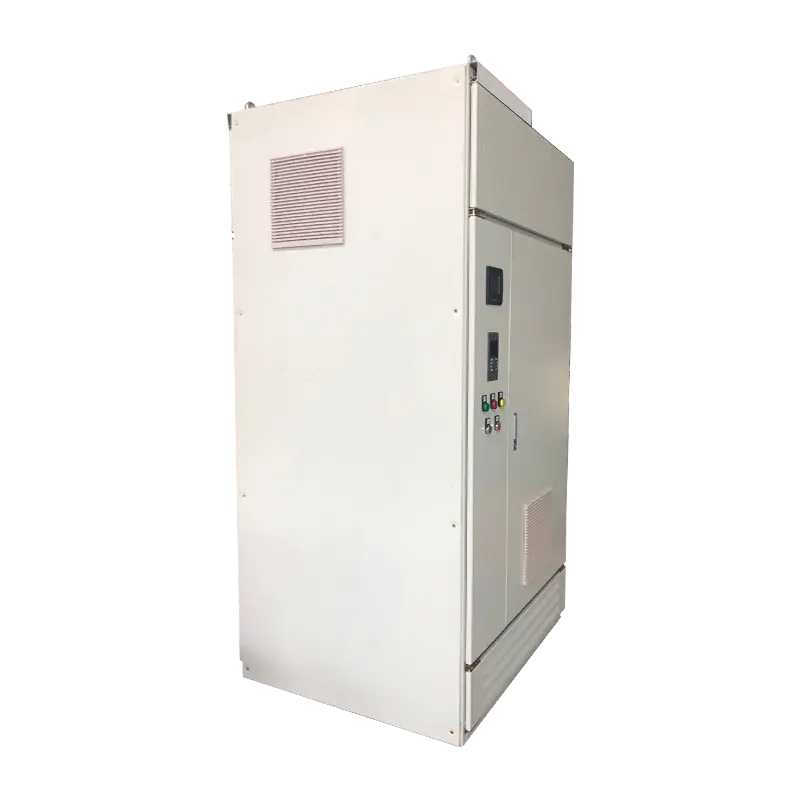
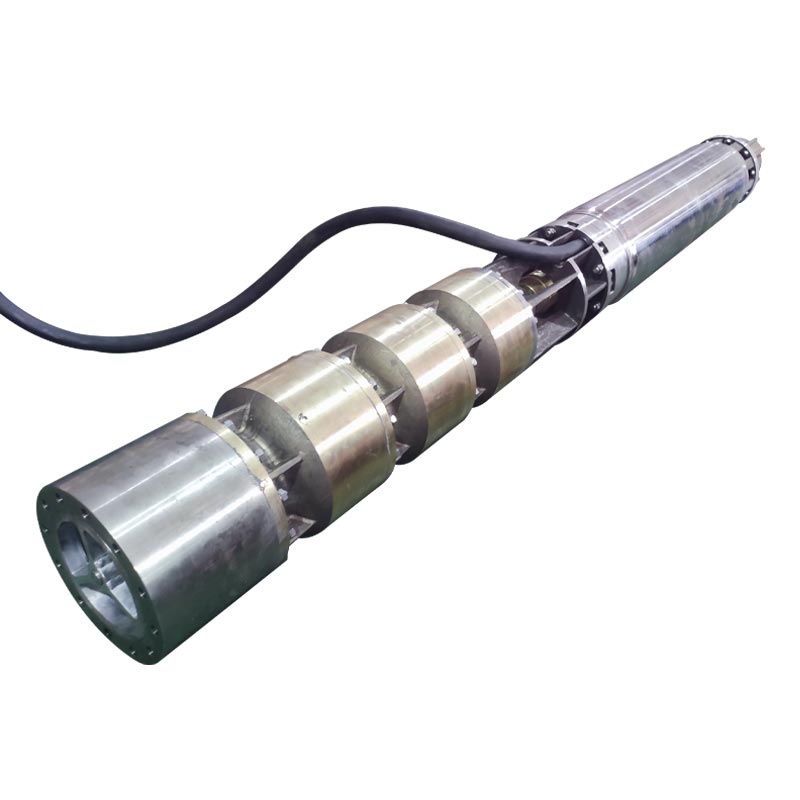
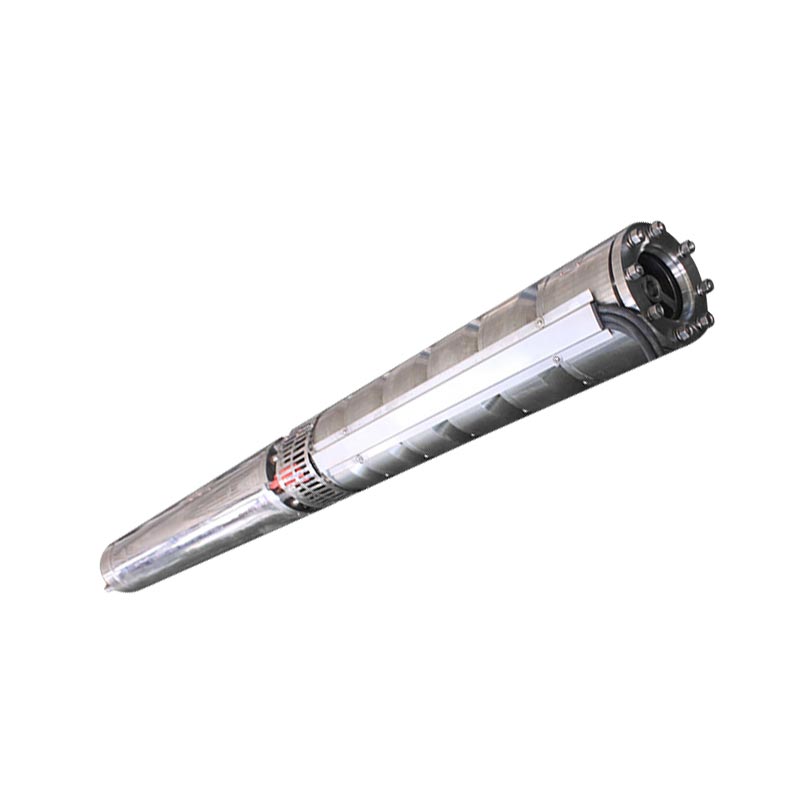
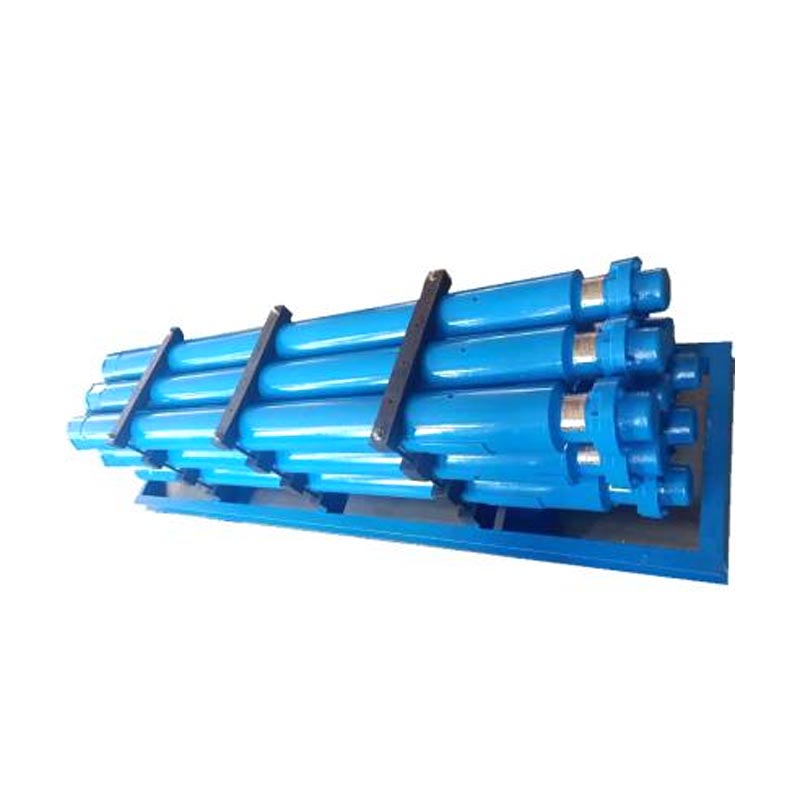
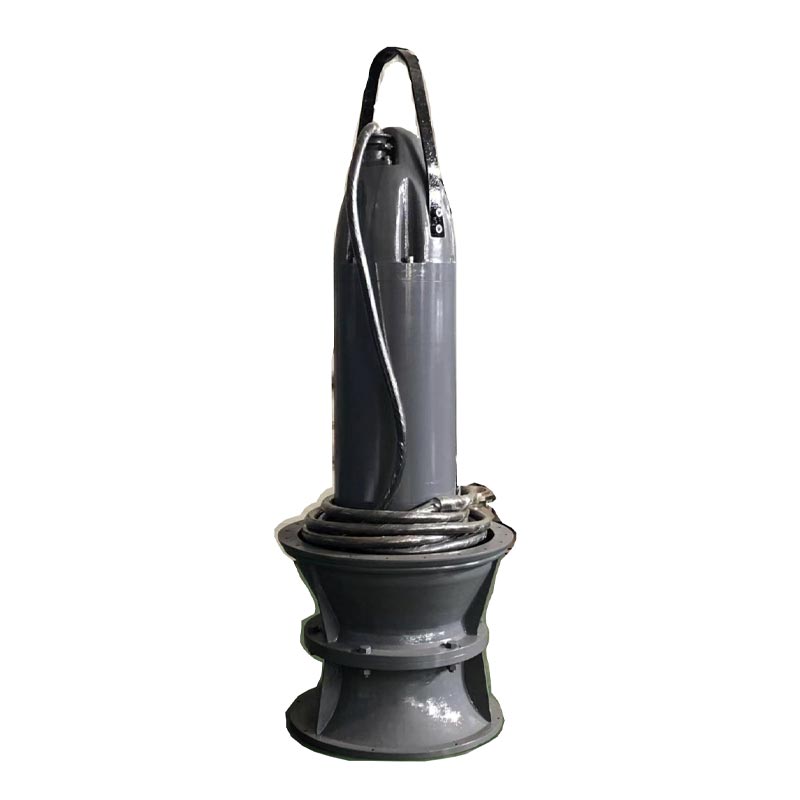
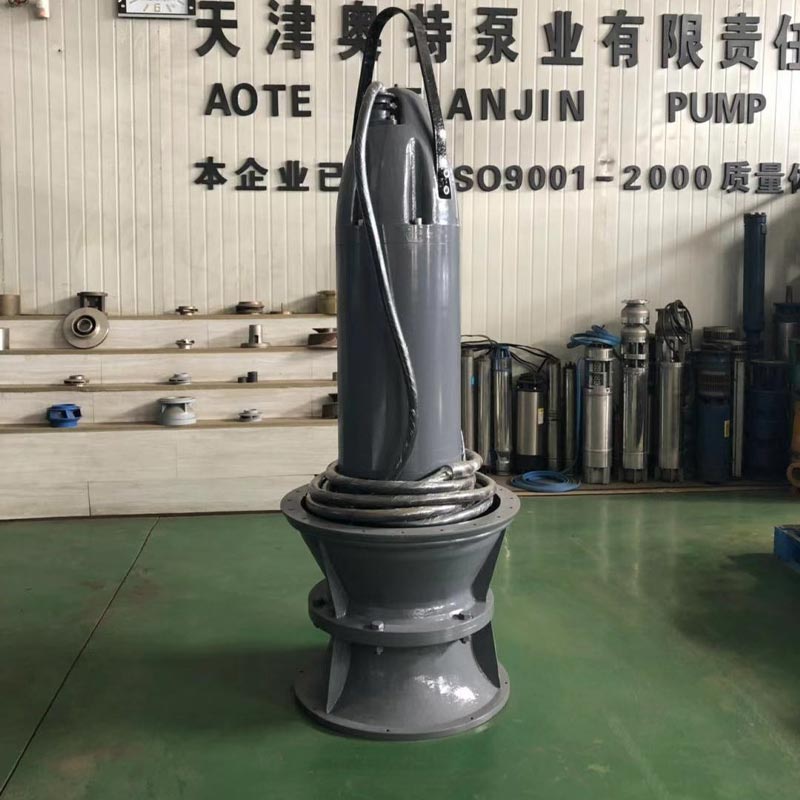
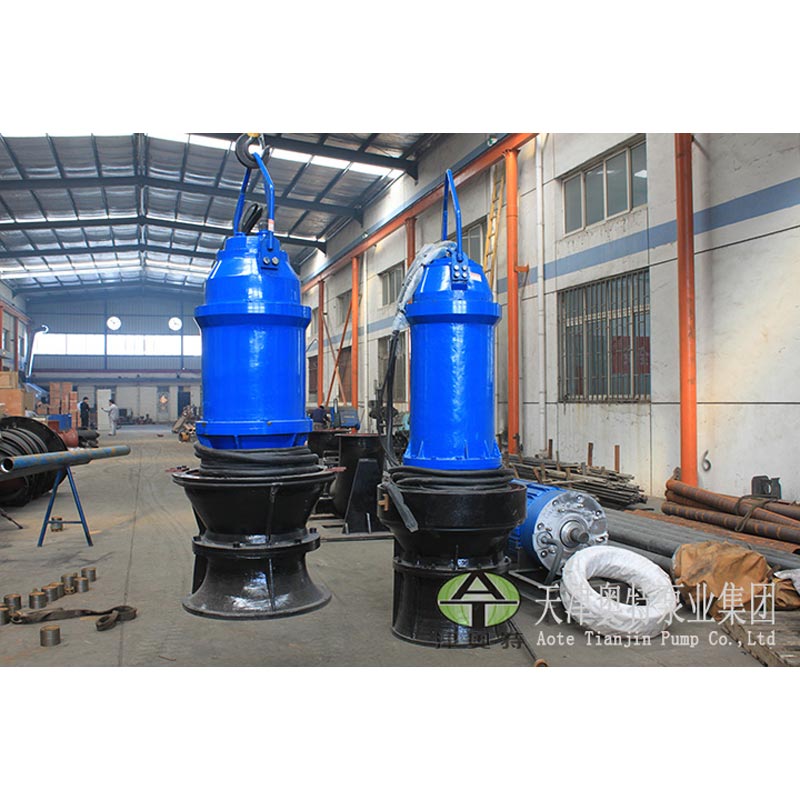
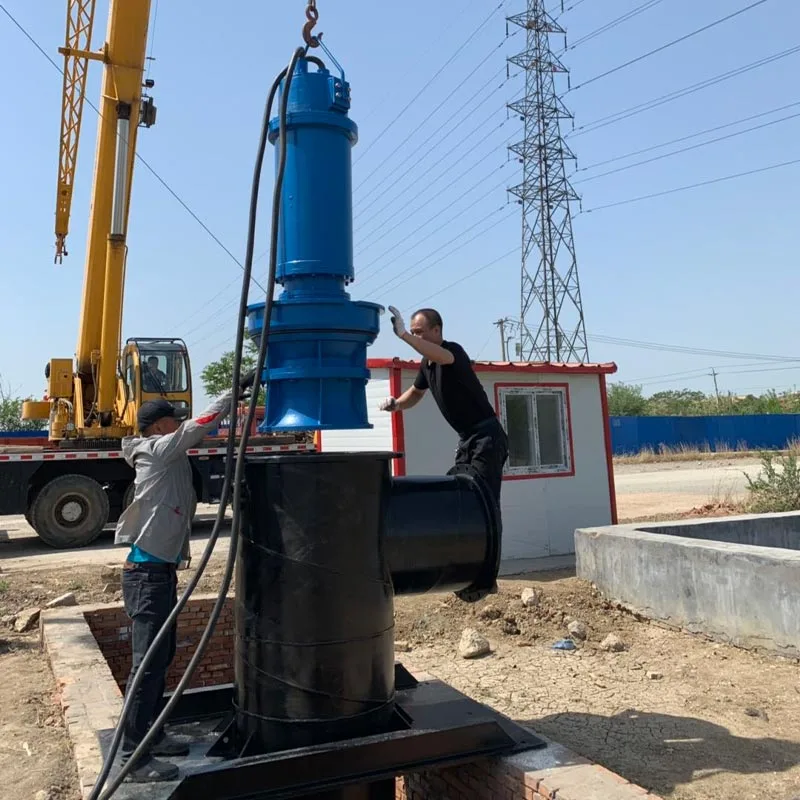
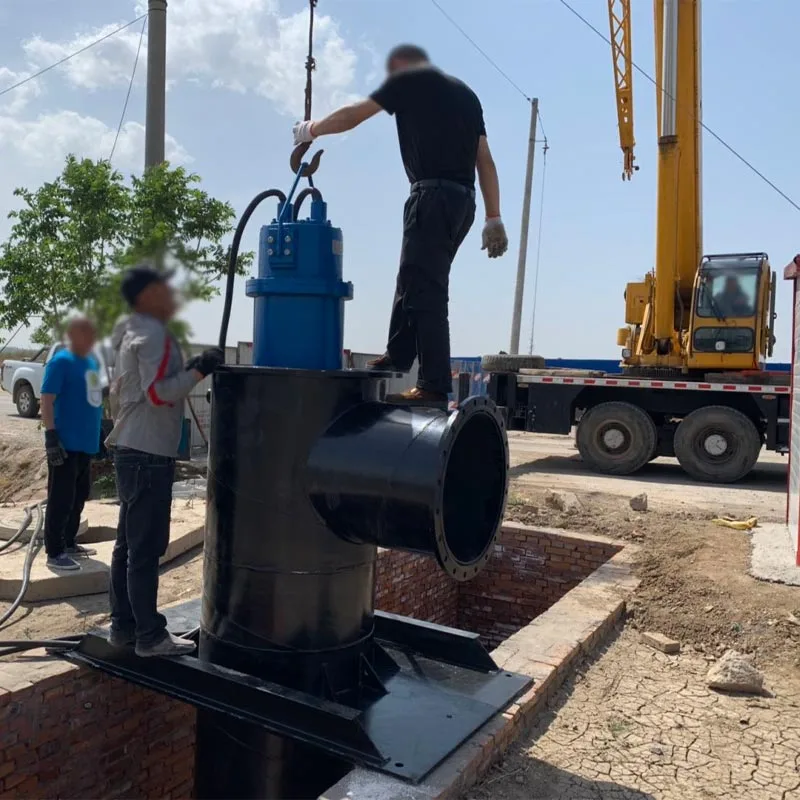
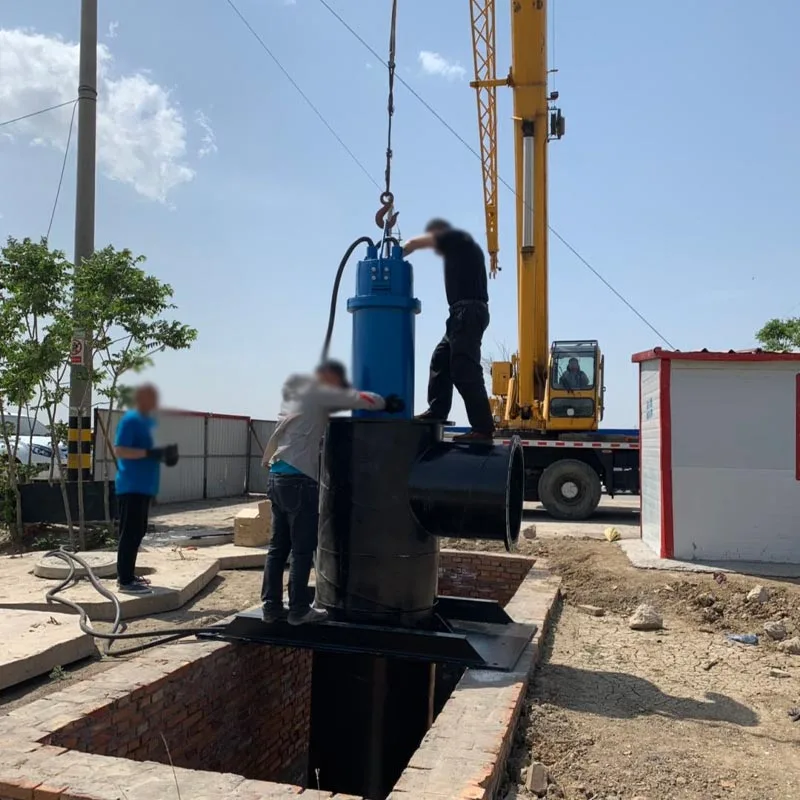
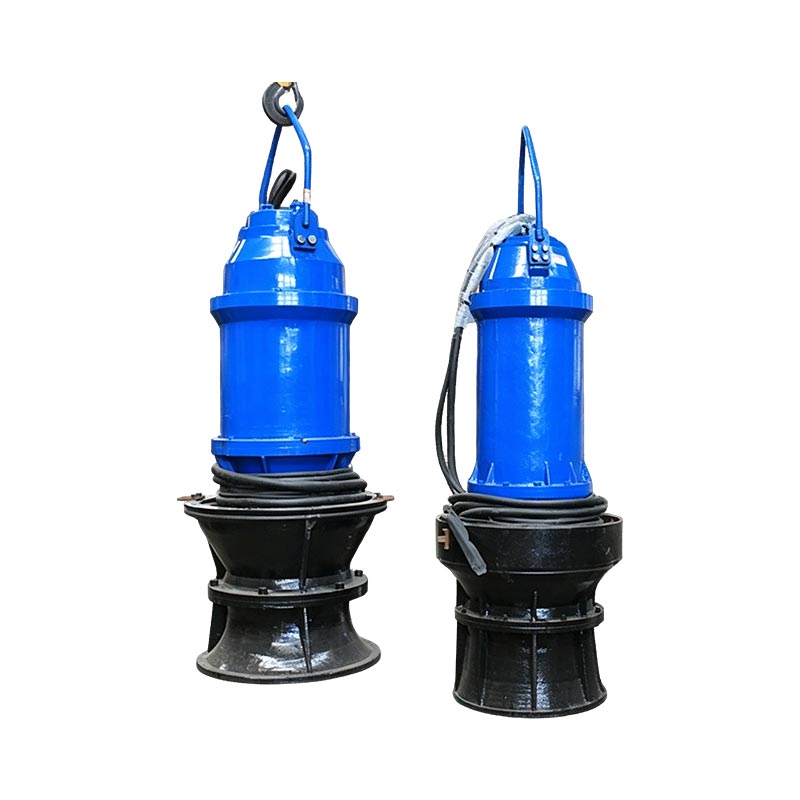
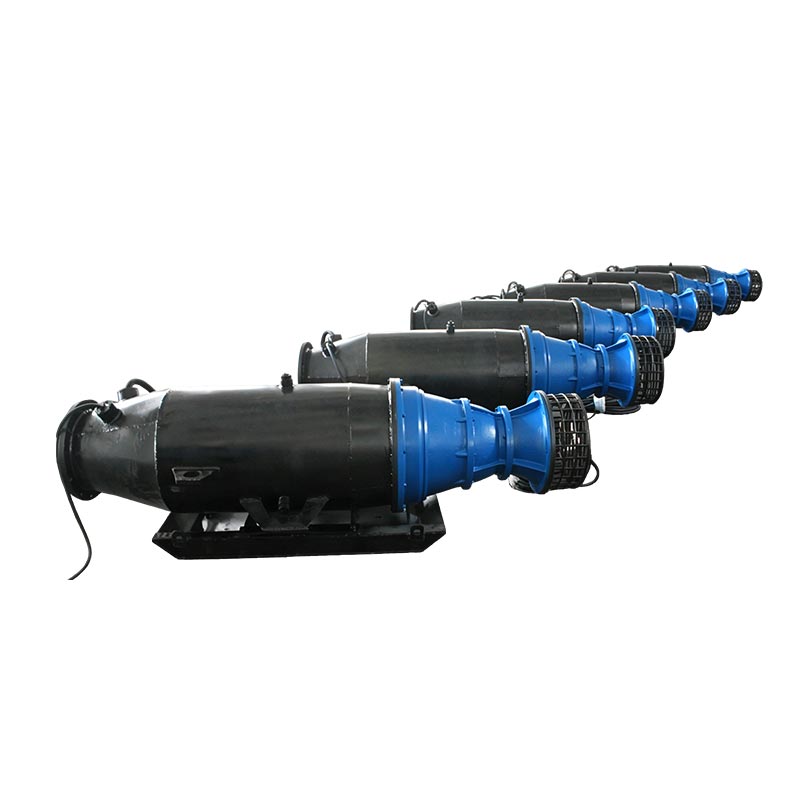
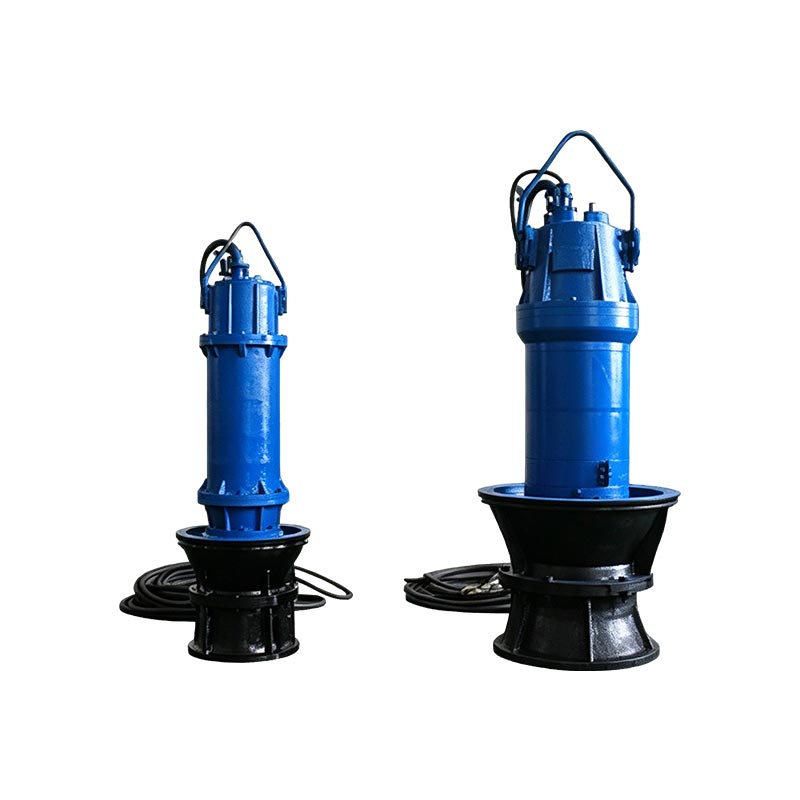
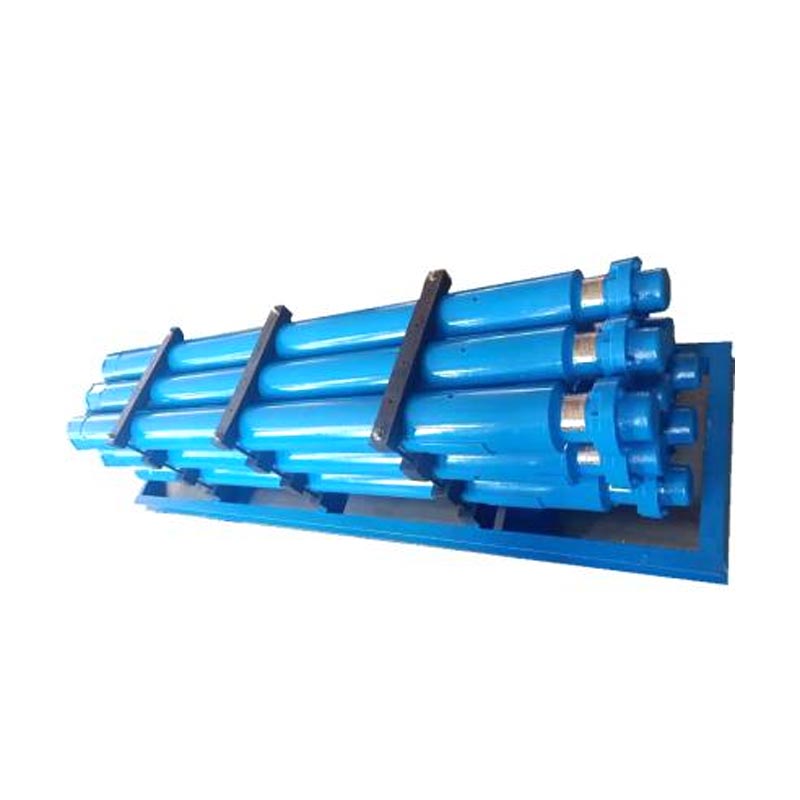
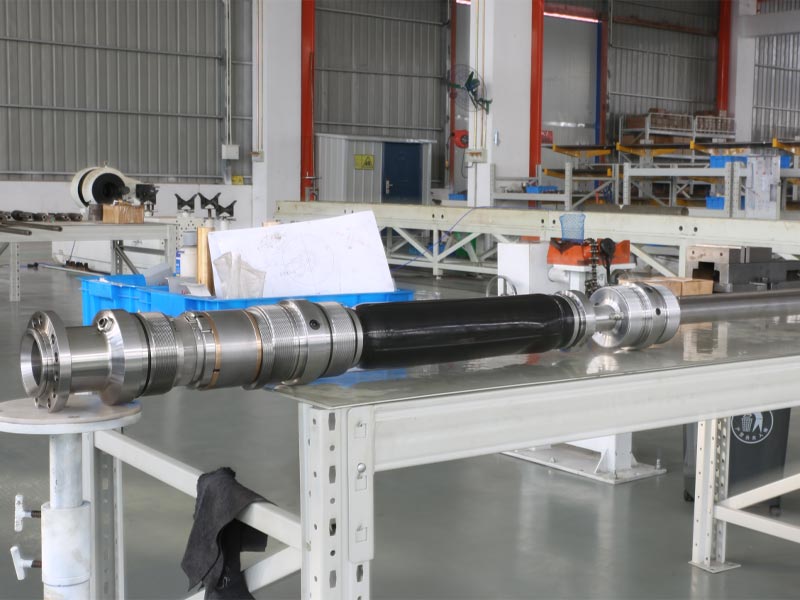
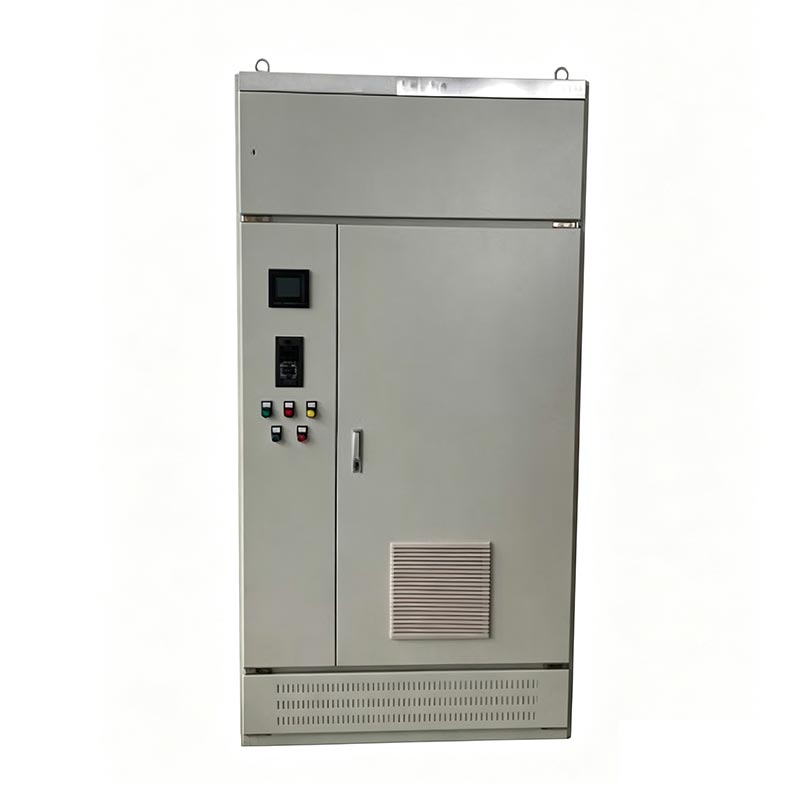
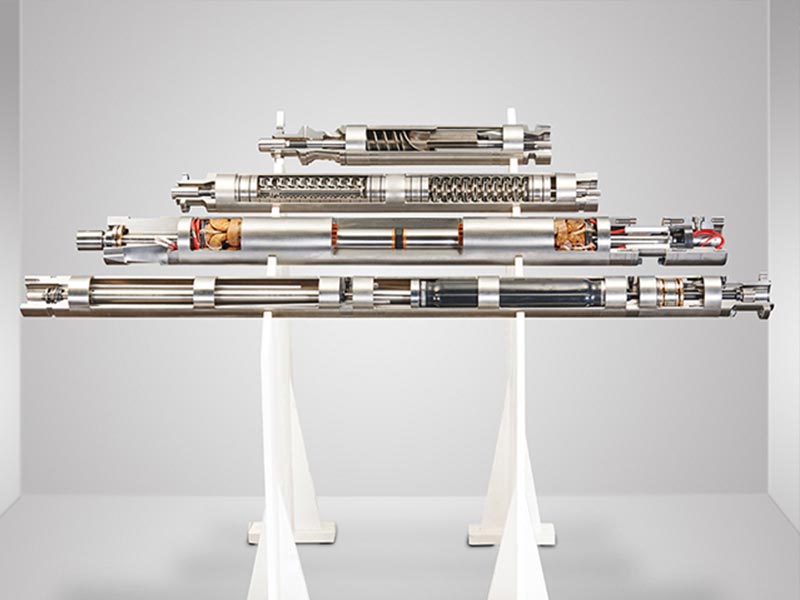
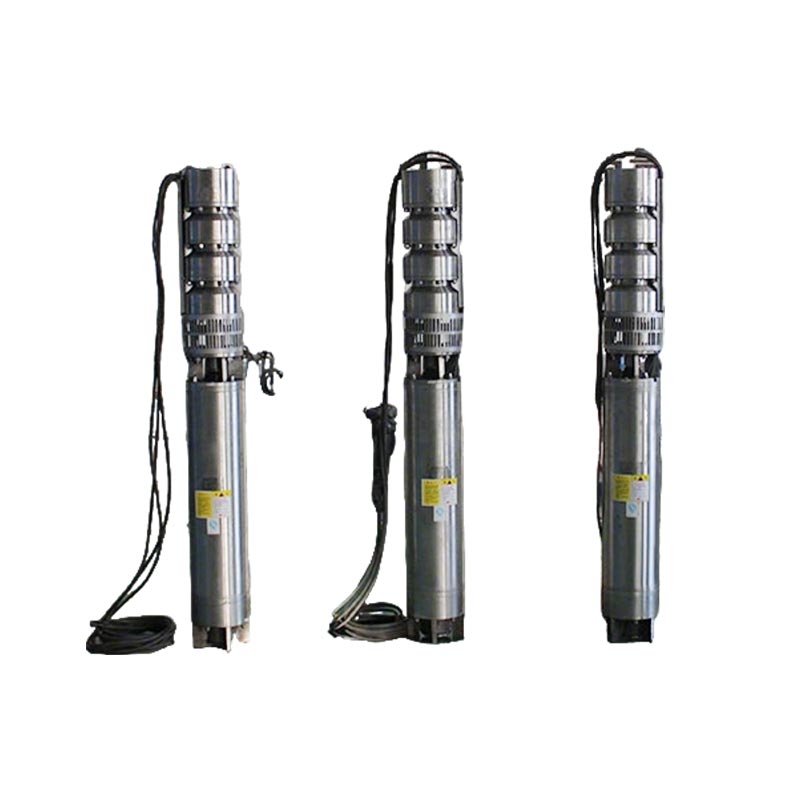
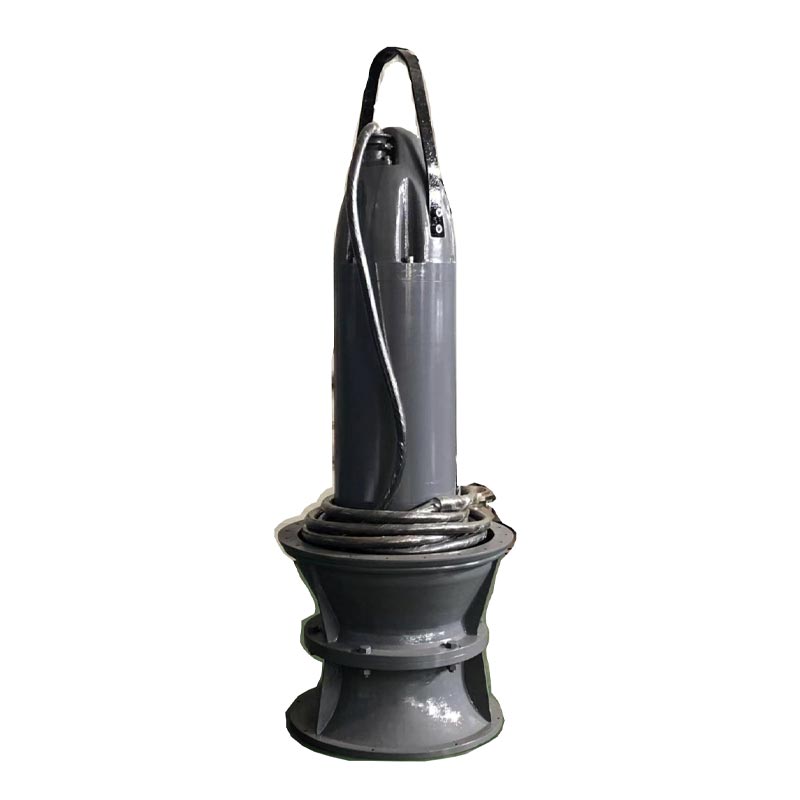
JINAOTE Large Flow Submersible Axial Flow Pump is designed for high-volume water transfer applications requiring low head and continuous operation. With an integrated motor and pump structure, it works fully submerged to reduce installation space and improve reliability. Available in vertical, horizontal, inclined, and axial-flow configurations, it is ideal for flood control, drainage, irrigation, and water management projects.
The JINAOTE Large Flow Submersible Axial Flow Pump is designed for water transfer applications requiring large flow
capacity with low pumping head. Unlike conventional dry-installed axial flow pump systems, this submersible design
integrates the motor and pump into one compact unit, allowing direct operation underwater without complex shaft
connection structures.
Typically used for applications with a head below 15 meters, submersible axial flow pumps are widely applied in
flood control pumping stations, agricultural irrigation, municipal drainage, industrial water circulation, and water
diversion projects.
By eliminating the need for long transmission shafts, separate motor rooms, and complicated installation alignment,
the JINAOTE axial flow pump provides a more flexible solution for projects where space, construction cost, and
operational stability are critical considerations.
Working Principle
The pump generates water thrust through the rotation of an axial-flow impeller. The impeller pushes water in a
parallel direction along the pump shaft, creating a large-volume water flow with relatively low pressure.
Compared with traditional centrifugal pumps, axial flow pumps are more suitable for moving large quantities of water
over short distances and low elevation differences.
The integrated submersible structure allows the pump to operate directly inside the water, improving motor cooling
efficiency and reducing installation requirements.
Main Applications
In agriculture, it is used for irrigation and drainage; in municipal applications, for storm water and lightly
contaminated wastewater; in industry, for process water, cooling water, and raw water supply; and in water
conservancy, for water diversion projects. It is suitable for conveying clean water or lightly contaminated
wastewater.
Features
1. Since the motor and pump are integrated into a single unit, there is no need for labor-intensive, time-consuming,
and complex on-site shaft alignment procedures. Installation is extremely convenient and quick, eliminating the need
to reserve a dedicated pump bay. Standby pumps can be stored in a warehouse, thereby saving on investment in the
pump station’s intake basin. Because the pump operates submerged in water, civil engineering and structural work for
the pump station can be greatly simplified, reducing the installation footprint and saving 30% to 40% of the total
pump station construction cost.
2. Since the pump operates underwater with water flowing around the motor, noise levels are low and motor cooling is
efficient. This allows for the construction of underground pump stations, preserving the surface landscape.
3. The use of submersible electric pumps is the most effective solution for constructing pump stations and
addressing flood control issues in river and lake regions with significant water level fluctuations. It eliminates
the need for a long shaft between the motor and pump, thereby enhancing operational safety and reliability.
Application Examples
Flood Control and Drainage Pumping Station—Tianjin
Type: 800QZB-50, Q=6000m3/h, H=8.0m, N=185KW
Product Configurations
JINAOTE Large Flow Submersible Axial Flow Pumps are available in different installation configurations according to
project requirements:
Installation Type
Typical Application
Vertical Type
Conventional pumping stations, flood control facilities
Horizontal Type
Limited-space installations
Inclined Type
Special engineering layouts
Axial Flow Type
Large-volume water transfer applications
Why Choose JINAOTE Submersible Axial Flow Pump?
JINAOTE focuses on the design and manufacturing of submersible pump systems for demanding water engineering
applications.
With practical experience in municipal drainage, flood control, industrial water supply, and water conservancy
projects,
JINAOTE provides pump solutions based on actual operating conditions, including:
• Flow requirement
• Pumping head
• Installation environment
• Water quality conditions
• Project construction limitations
From pump selection to technical support, our engineering team helps customers develop suitable pumping solutions for
different water transfer projects.
FAQ
Q1: What is the difference between an axial flow pump and a centrifugal pump?
Axial flow pumps are designed for large flow rates and low heads, while centrifugal pumps are generally used for
higher pressure and medium flow applications. Axial flow pumps are commonly used in flood control, irrigation, and
water transfer projects.
Q2: Why choose a submersible axial flow pump instead of a traditional axial flow pump?
The submersible design integrates the motor and pump into one unit, eliminating shaft alignment problems and
reducing installation requirements. It is especially suitable for projects with limited space or variable water
levels.
Q3: Can this Large Flow Submersible Axial Flow Pump handle wastewater?
The pump is mainly designed for clean water and lightly contaminated wastewater applications. For wastewater
containing large solid particles or heavy sludge, a customized pump design may be required.
Q4: What information is needed for pump selection?
Customers should provide:
Required flow rate (m³/h)
Pumping head (m)
Water conditions
Installation method
Operating environment
Our engineers can recommend a suitable pump model based on project requirements.
We use cookies to offer you a better browsing experience, analyze site traffic and personalize content. By using this site, you agree to our use of cookies.Privacy Policy