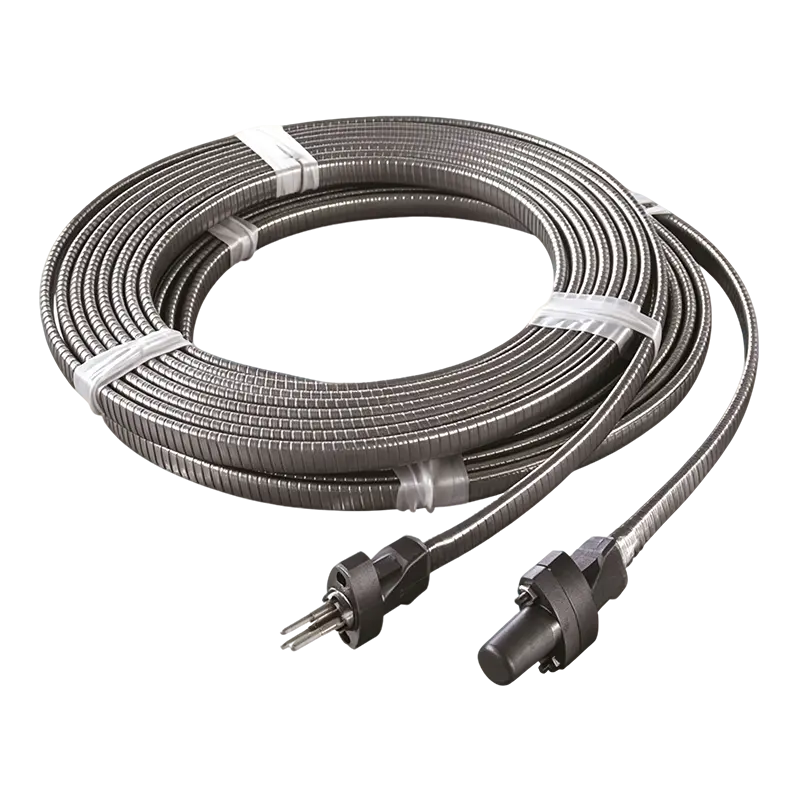
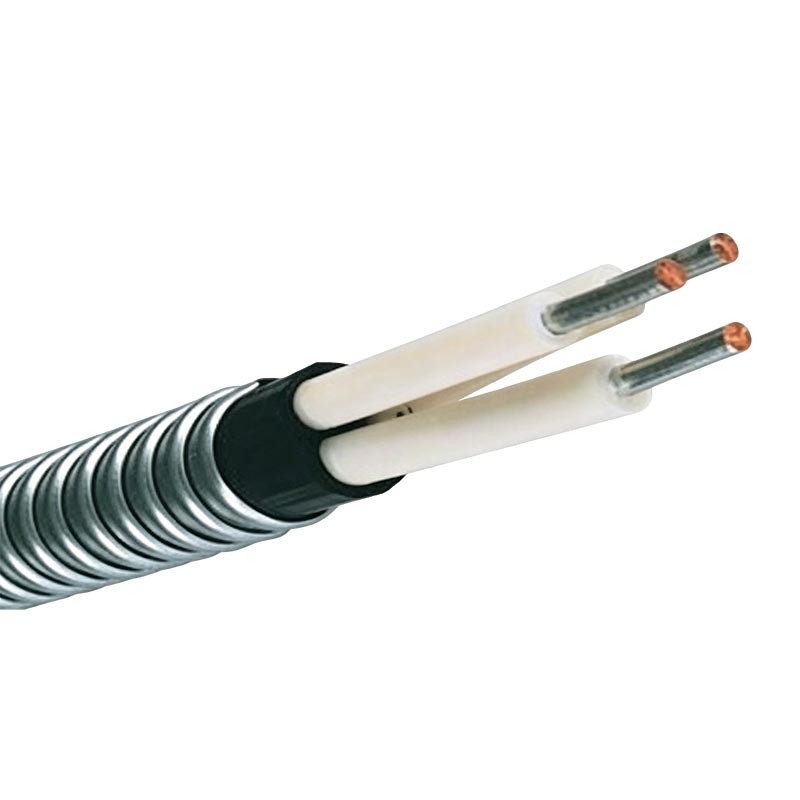
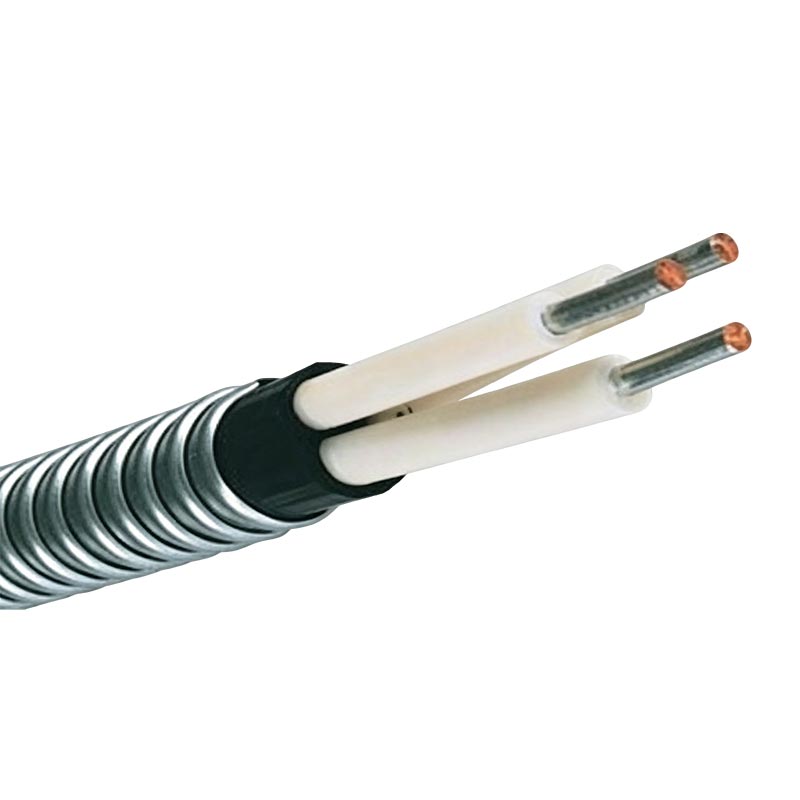
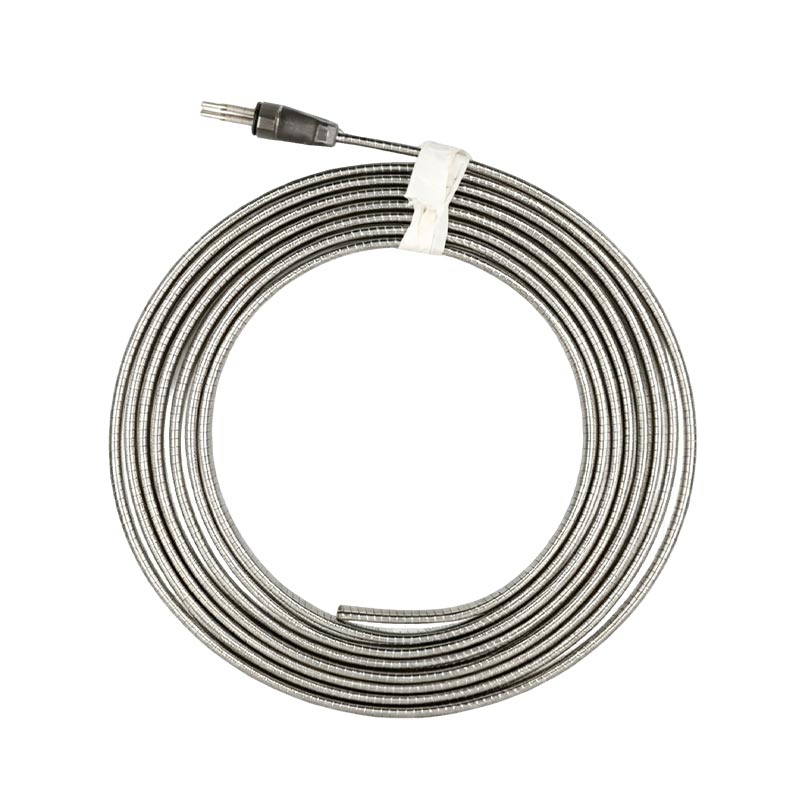
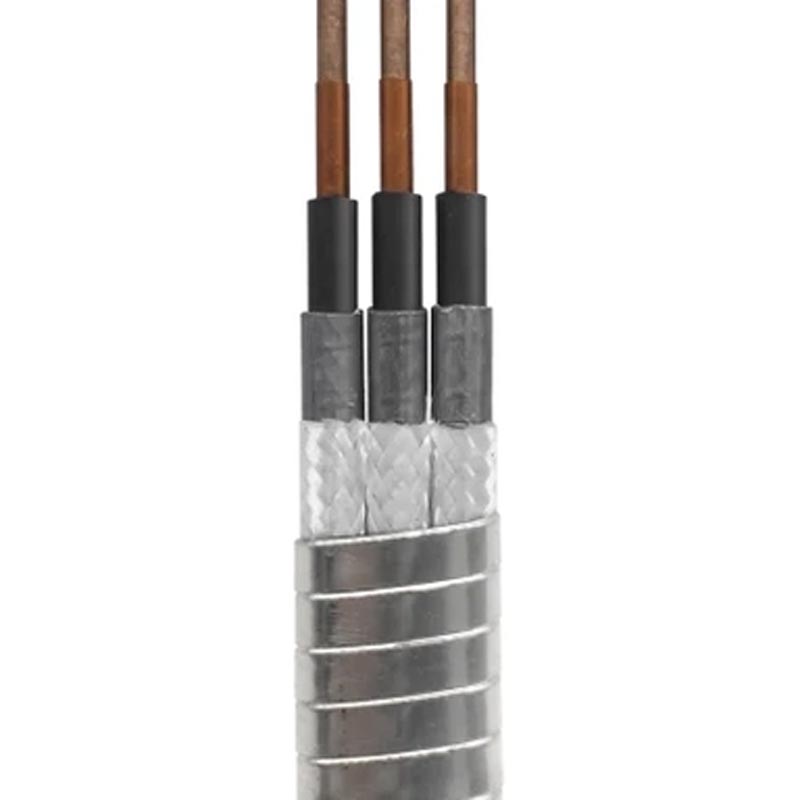
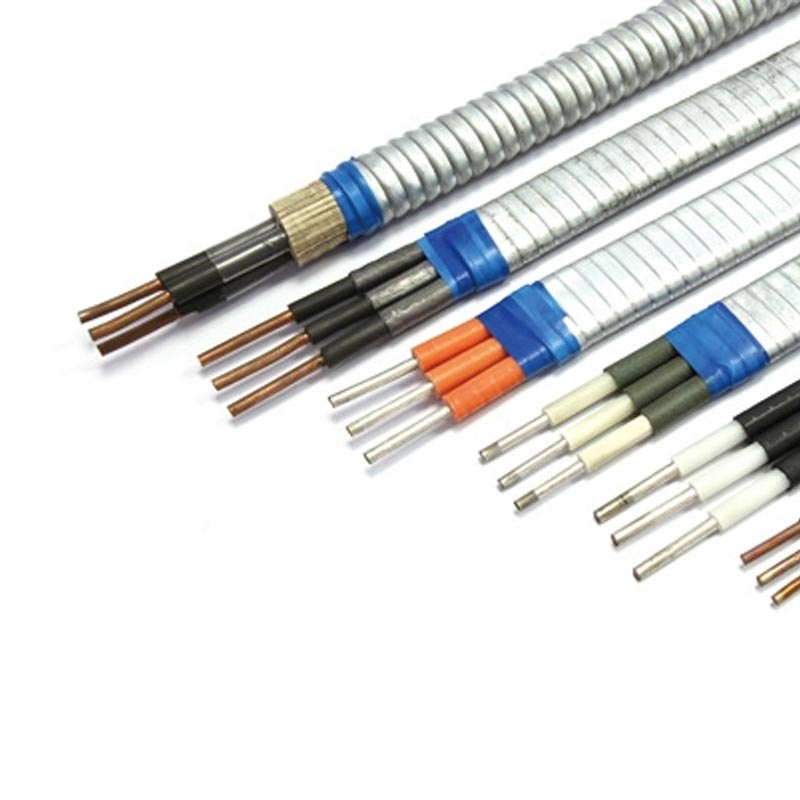
Round power cable is the preferred choice for fixed power transmission where mechanical balance, bending consistency and installation flexibility are required. Compared with flat cables, the circular construction distributes mechanical stress evenly around the conductor bundle, reducing sheath deformation during pulling and long-distance installation. This makes round cables the standard solution for building wiring, industrial machinery, switchboards and power distribution systems.
Round Power Cable is a conventional general-purpose power cable designed for universal power transmission scenarios. It
adopts integral round extrusion molding structure with compact internal core arrangement and smooth and uniform outer
diameter. The standardized round structure ensures uniform stress distribution during laying and operation, featuring
strong compression resistance, good torsion resistance and stable overall structure. It is not easy to deform or damage
during long-distance wiring and daily use, with extremely wide application universality.
Why Round Cables Are Still the Industry Standard
Although flat cables are suitable for continuous moving equipment such as cranes or festoon systems, round power cables
remain the preferred option for more than 90% of fixed electrical installations.
The symmetrical structure protects conductors from uneven mechanical stress during pulling, twisting and installation.
It also provides better sealing performance with standard cable glands, making it easier to achieve higher IP protection
ratings.
For contractors, this means faster installation, fewer accessories and lower long-term maintenance costs.
Design Philosophy
Most power cable failures are not caused by conductor defects but by long-term insulation degradation, incorrect cable
selection or poor installation practices.
For this reason, our round power cables are designed with balanced conductor spacing, controlled insulation thickness
and consistent outer diameter tolerance to improve installation reliability rather than simply increasing conductor
size.
Core Performance & Competitive Advantages
It features comprehensive and balanced performance. It has stable insulation performance, reliable flame
retardancy and long anti-aging service life. The standard round structure is convenient for winding, storage and
long-distance laying with neat wiring layout. It effectively avoids internal core friction damage and circuit
short-circuit risks, ensuring safe and continuous power supply. With low failure rate, strong compatibility and low
maintenance cost, it is the most cost-effective choice for general industrial power distribution.
Typical Installation Scenarios
• Main power feeders inside manufacturing plants
• Distribution panels in commercial buildings
• Underground conduits between substations
• Cable trays in processing facilities
• Pump control systems
• HVAC equipment
• Generator connections
• Water treatment stations.
How Engineers Usually Select Round Power Cable
Instead of selecting cable only by conductor cross-sectional area, experienced engineers normally evaluate several
factors together.
Selection Factor
Engineering Consideration
Installation Method
Cable tray, conduit, buried duct or equipment wiring
Operating Voltage
Match insulation level to system voltage
Ambient Temperature
Higher temperatures reduce current carrying capacity
Installation Distance
Long distances may require larger conductors to reduce voltage drop
Mechanical Protection
Consider armored construction if physical damage is possible
Fire Safety Requirements
LSZH insulation may be preferred in public buildings
Proper cable selection can significantly reduce future maintenance costs while improving system reliability.
FAQ
Q1: What are the advantages of round structure compared with flat cable?
A2: Round structure has uniform stress, better overall toughness and stronger pressure resistance. It is easier to wind
and store, more suitable for long-distance fixed wiring and outdoor conventional laying environments.
Q2: Can you provide factory direct supply?
A3: Yes. We support Round Power Cable Factory Direct sales, eliminating intermediate links and providing customers with
cost-effective original factory products.
Factory Verification
Every production batch undergoes routine electrical and dimensional inspection before shipment.
Testing may include:
Conductor resistance
High-voltage withstand test
Insulation resistance
Spark test
Outer diameter measurement
Conductor dimension inspection
Aging performance verification
Flame-retardant verification (where applicable)
Visual inspection before packaging
Testing requirements can also be performed according to customer specifications or applicable international standards.
Why Engineers and Contractors Choose Us
We understand that for standardized products like power cables, consistency matters more than marketing language. Our
focus is on delivering cables that integrate smoothly into real engineering projects, with stable manufacturing quality,
flexible specification options and responsive technical support.
Instead of offering a one-size-fits-all product, we work with distributors, EPC contractors, OEM manufacturers and
infrastructure developers to provide cable solutions tailored to installation environments, regulatory requirements and
project schedules. From specification review and material selection to production and export logistics, our team
supports the entire procurement process, helping customers reduce technical uncertainty and improve project efficiency.
Hot Tags: Round Power Cable Manufacturer, Industrial Power Cable Supplier, Round Cable Wholesale
We use cookies to offer you a better browsing experience, analyze site traffic and personalize content. By using this site, you agree to our use of cookies.Privacy Policy